

The MacBook Neo is going to be a hit,(mostly) because Windows has dropped the ball dismally as of late.

Almost like taking Candy from a baby…

Let’s face it, despite how crazy this past week in tech was (Nothing Phone 4(a), Techno Modular phone), one specific device took the tech world by storm: The MacBook Neo. This very entry-level, cut-down Mac running an iPhone chip from 2024 has everyone talking about it, and genuinely for good reason. Because while the Neo might not be anything impressive to a huge nerd, its creation is genuinely warranted during our current time in tech, and it’s likely going to be a hit. Not because of how great it is, but because of how terrible the Windows PC space is in comparison, and that’s what we’re here to talk about today.
The (sorta) New Kid on the Block

Now, to put it in the simplest terms, the MacBook Neo could in many ways be described as a slightly redone M1 MacBook Air, with pros and cons against that redo. It’s a very similar size, has essentially the same screen, a slightly better camera, the same port selection, and technically a higher starting storage option at 256GB vs the 128GB that machine started with. On the other hand, it tops out at only 8GB of RAM (no 16GB and 32GB options), 512GB of storage vs the 1TB options the M1 had, has no backlit keyboard, and has an option without Touch ID. The biggest and most interesting difference however, is that while the M1 MacBook Air of course has that name because of its processor, the Neo is powered by an Apple A18 Pro chip, the same one from the iPhone 16 Pro series, albeit with one less GPU core so a little less powerful. 10 years ago this might have seemed like an insult, but we literally live in a world where Macs and even certain Windows PC’s run on beefed up smartphone processors and are actually somewhat better because of it. What’s more interesting here is that this is basically Apple’s equivalent of the old iPod touch products, where they combine a bunch of bargain bin parts to serve a cheaper price bracket in the market.
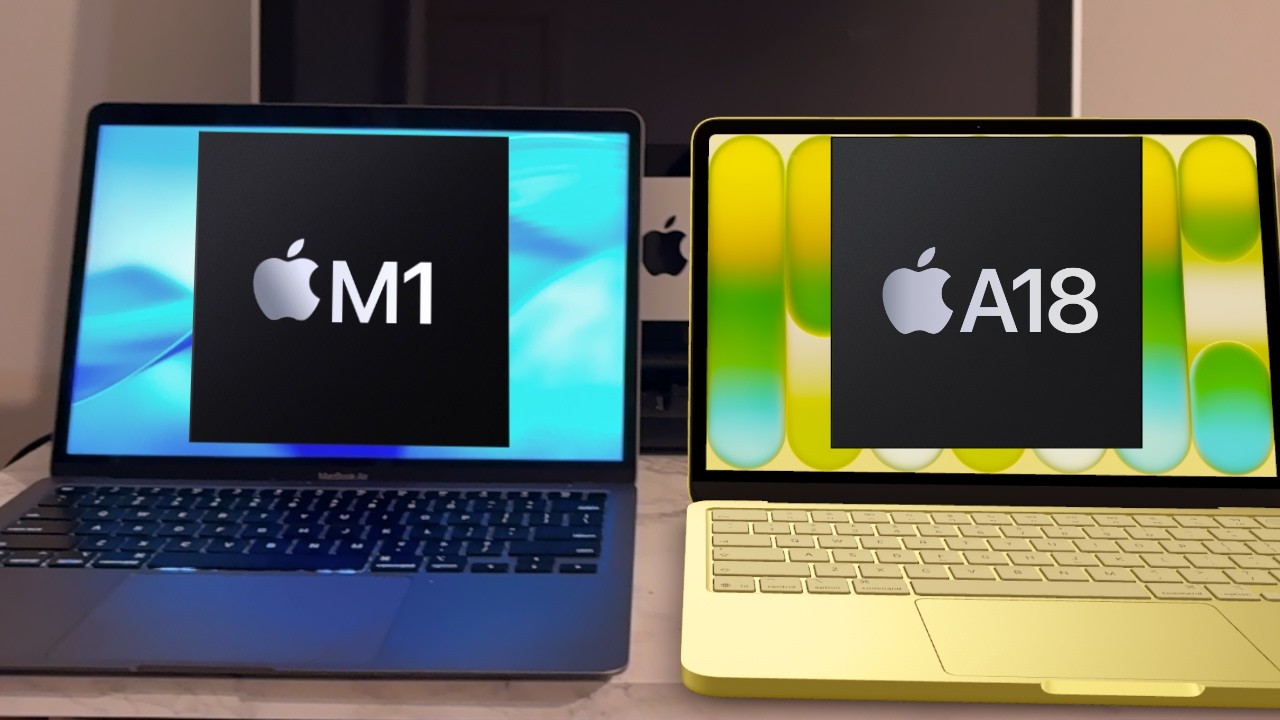
What’s more unique(and decisive) about this device, however, is that Apple has a very clear market demographic it’s aiming for, and most importantly, one that the Windows community has basically let down: kids/schools and anyone who wants a bang-for-the-buck machine for around $500. Again, the MacBook Neo is basically meant to be an M1 replacement, and what many people hadn’t noticed in the market is that the M1 MacBook Air refused to die, mainly because of how much value it offered even 5-6 years after its release. That machine was still fast enough, reliable enough, and had great battery life even when being sold second-hand and in bargain sales from US retailers like Walmart at $500 or so. If you didn’t need gaming, wanted a sort of “do it all” machine with great software support and a good understanding of the fundamentals ( good screen, battery, performance, keyboard), the M1 was still a viable choice if you found a well-specced one and didn’t mind MacOS. And that’s not to say there weren’t Windows machines that could match it, especially if buying second-hand, but oddly enough, if you wanted a brand new Windows machine, you were seemingly stuck with options that simply weren’t as good in that price range.

In markets like the USA and Europe, Windows laptop manufacturers seemingly secretly agreed that $700 is the minimum price for a great daily driver machine (with the exception of some budget gaming rigs), as unless you’re checking for something second-hand, you might fail to find anything that outright matched the old M1 MacBook Air or the Neo. Especially since the Neo is going to be $100 cheaper than that aforementioned $700 price. Thus creating the opportunity Apple sees here. If you’re a college student in the US trying to get you first proper laptop or someone who mostly wants to do the same work you do on your phone (light documents, web-based work) and just want a bigger screen with a more serious operating system (we’ve talked about the limitations of iPads for years now), this machine is likely going to hit your radar and you might find it a great buy.

Add in the education discounts Apple is offering that make it start at $500, and you know they want this machine to be a long-term play that helps them lock down anyone below the age of 20 and turn them into a Mac user for life! Especially when their biggest competition at the $500 price point is literally Chromebooks, because again, unless buying second-hand is your motive (something schools in Western countries don’t really like to do and is harder to do in bulk), Windows machines are just far less competitive and convincing. The craziest part about this, however, is that Windows actually has an answer to the Neo, even if they’ve seemingly forgotten it.
The MacBook Neo Killer(s) already exist.

If you remember, two years ago, we talked about the new Snapdragon X PCs (AKA Copilot+ PCs) that multiple Windows machines were starting to use and how they were a direct attack against the M3 MacBooks. And while they didn’t completely rock the consumer world overnight, they did shake up the PC industry in their own right. Apple making 256GB and 16GB RAM the baseline for Macs? Thank those Snapdragon machines. Intel making their own chips far more battery efficient in the last two years? Thank the same culprits. Snapdragon X machines made everyone pull their socks up and made the PC industry better as a whole, but because everyone improved before they could be disrupted, these machines kind of started to get forgotten, being more of a distant third-place competitor to Intel and AMD, and having their machines become FAR CHEAPER. That last bit is the most important part here, as after all, in the MacBook Neo, people want something cheap, sleek, and very reliable and performant that can be a great daily driver computer. That’s exactly what Snapdragon machines have become despite their manufacturers’ best efforts to keep them premium, and that’s a good thing here.

Last year, Microsoft introduced cheaper variants of their Snapdragon Surface devices, starting at $800 and $900, which is $200-$100 cheaper than their usual Surface devices. These Devices, the Surface Pro 12-inch and 13-inch Surface Laptop, have Snapdragon X Plus processors that boast the same battery life and performance base M3 MacBooks have. Considering it’s been almost a year, Microsoft should probably cut these down to at least $650 and $700, respectively, if not just outright matching Apple’s $600 price for one of the machines. And these machines would offer double the RAM by default, better storage options, and be far faster (again, M3 competitors, not the M1, the Neo Barely keeps up with), all while being as premium and easy to use as well. This mandate doesn’t just go to Microsoft either. HP, Dell, Lenovo all have first-gen Snapdragon stock that they’re trying to get rid of, THIS is the way to do it. And what’s ironic is it would probably show customers how good these machines actually are, something that got lost in all the stupid AI messaging that plagued these machines when they first launched, and protecting (and borderline creating) new markets for these companies to sell to.
Now, will any of these companies do this? Well, if you’ve been looking at how the Windows Ecosystem has been managed in the past few years, probably not. Just to be clear here, this isn’t all run by Microsoft, AKA the company messing up Windows at the core, but the Windows Ecosystem does tend to be governed by what trends each of the manufacturers is following and how best they can compete against each other. Right now, that was pretty much gaming and AI, hence why cheap gaming machines exist. As for taking note of what else was going on, well, clearly the players of this ecosystem weren’t, and I doubt any of these companies will move quickly enough to deal with the MacBook Neo then and there. Just look at how long it took them to properly challenge the M1, for example. And with Windows starting to get a bit of a bad rep as of late, not having compelling machines within the $500-$600 tends to hurt the platform as a whole.
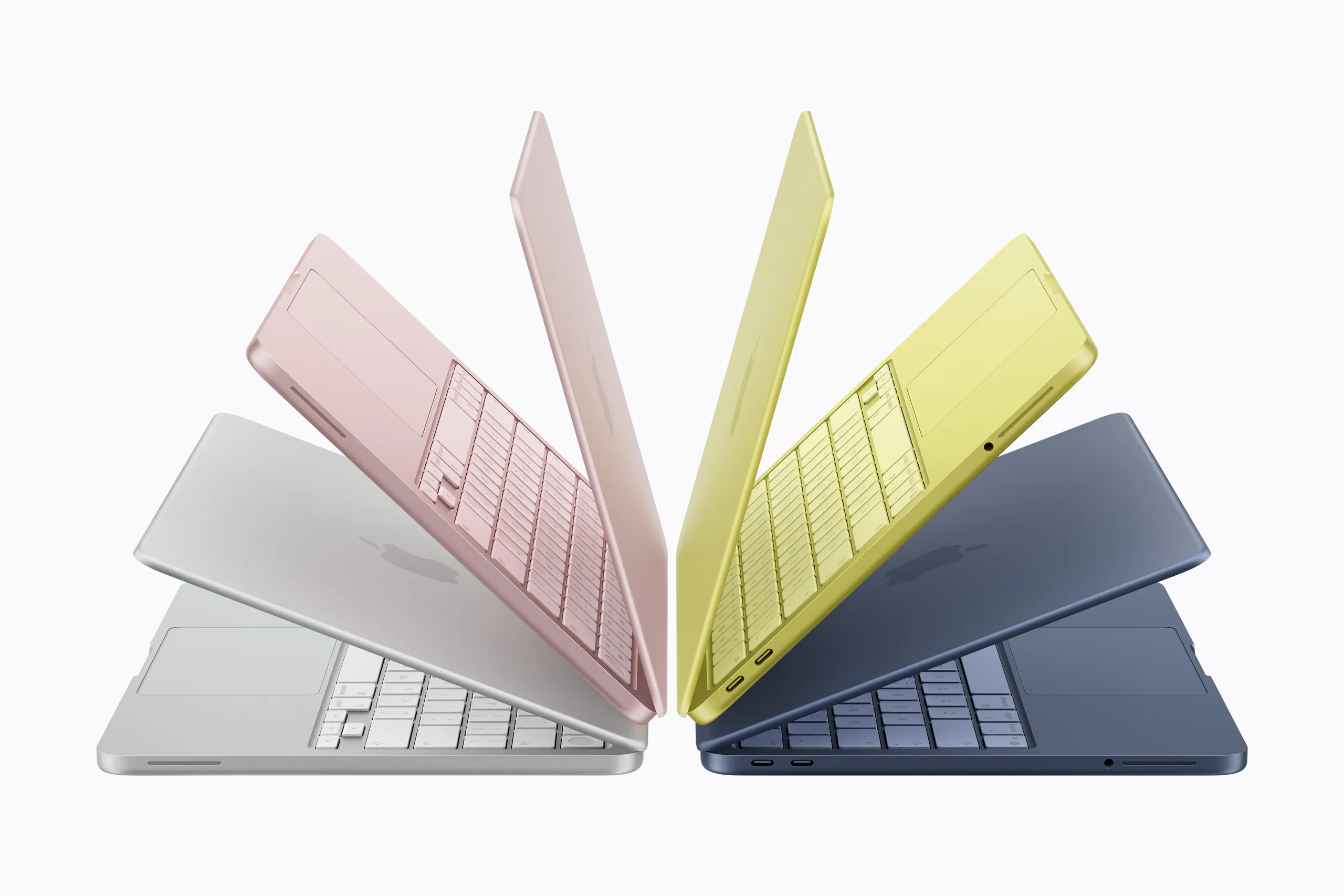
So when it comes down to it, yes, the MacBook Neo is definitely going to be a hit, but not because it’s as great as Apple purports it to be (and again, it’s probably going to be pretty great), but because the market that should be there to compete with it is a total mess right now. And Apple, as always, is a company that’s very good at seeing such messes and bringing a product that seems like the solution, even if it’s not the best one outright. Again, maybe I’m wrong, and the Windows space will show a genuine speed and competitive edge they barely tend to show. But knowing their usual record, they’ll only have good competitors a year or two from now. And well, in that way (along with potentially stealing tons of future Windows users), the MacBook Neo is going to be revolutionary. The revolution might just kick Windows in the nuts first.
Related Stories:
Windows’ Secret Comeback Part 2 : RTX Spark, AI Dev Tools, XPS 13 for $600
LL Cool J Voice: Don't Call it a Comeback!!
Read More


The MacBook Neo is going to be a hit,(mostly) because Windows has dropped the ball dismally as of late.
Almost like taking Candy from a baby...
Read More
2024 was the year of the Infrastructure upgrade cycle
This year's big upgrades in tech change more stuff in...
Read MoreAbout Author