

OnePlus ISN’T Dying. But it’s definitely changing.

For Better or For Worse
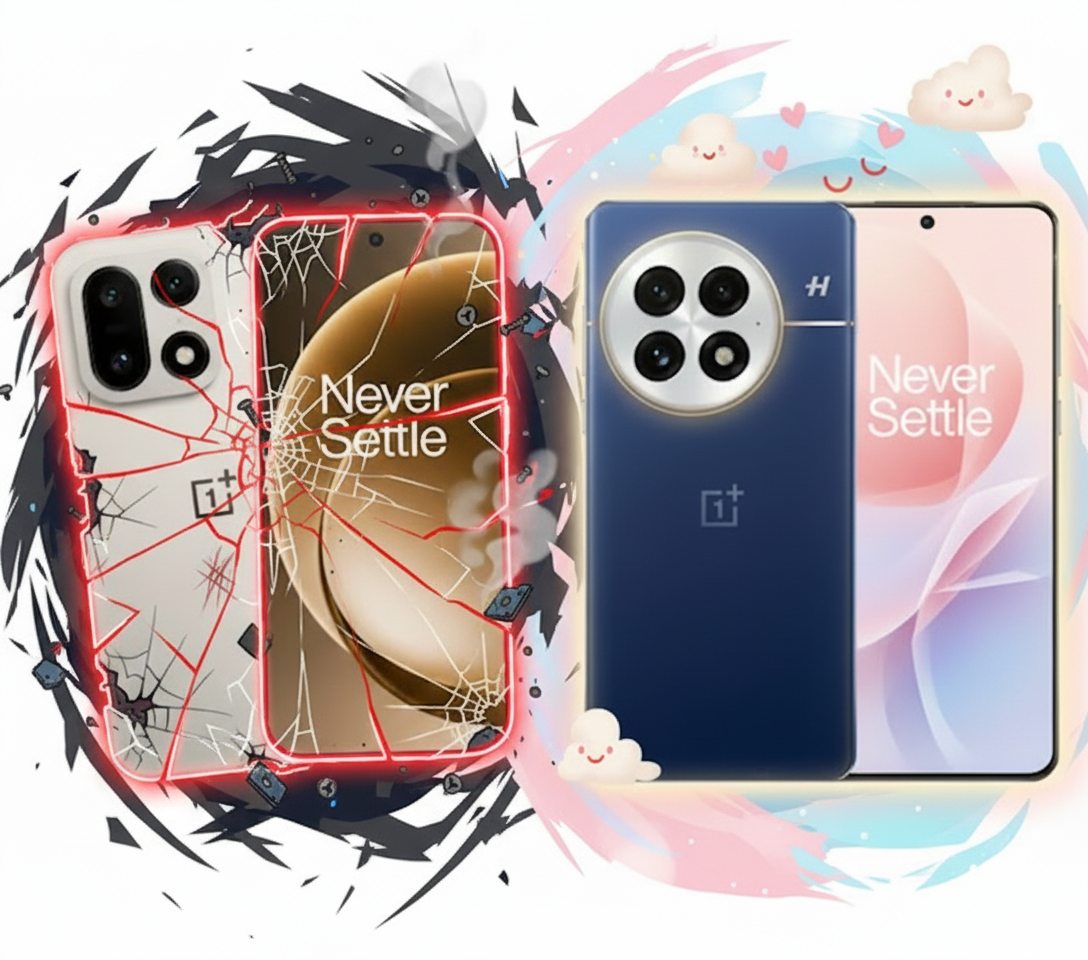
If there’s any topic in tech that had us scratching our heads throughout April, it’s the situation with OnePlus. In late March, the hallowed smartphone brand had rumors surrounding it of closing down, with reports of its sales data making parent company Oppo start to consider either completely shutting down the brand or at least rolling it back significantly. This caused a panic among millions of fans, us included, as we didn’t know whether to even include OnePlus phones in our buying guides. Some key videos and articles from trusted sources didn’t help either, and with the company scaling back its Indian operations, it seemed like the writing was on the wall too. Thankfully, it seems the writing wasn’t as bleak as we (or most other sources) thought, and OnePlus is still alive for the foreseeable future. It’s definitely going to be a very different OnePlus, however, and whether that’s for better or worse remains to be seen.
The Closure Chaos

So again, in mid to late March, a lot of rumors about OnePlus being considered for closure by parent company Oppo started brewing, as apparently, the company’s sales targets have been below expectations. This can be considered surprising as, from a product standpoint, OnePlus has been doing way better than before. Its flagships from the past 3 years have been winners, as the 12, 13, and 15 showed a sheer tenacity the company had seemingly lost from the 8 to the 10, easily being some of the best, if not arguably the best phones in their price range.

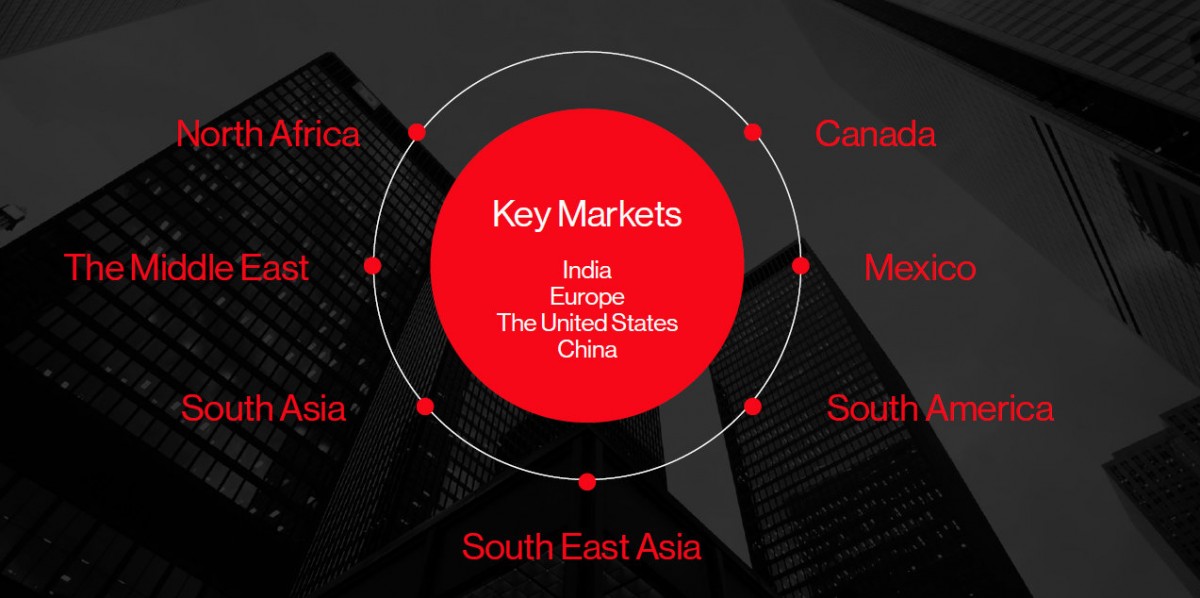
Unfortunately that didn’t seem to help much, as while the smartphone brand was capturing the enthusiast market again, it was barely making a dent in key markets like the US, where OnePlus is specifically positioned to represent Oppo, while in markets like India and Europe it’s had it’s bread and butter eaten by other brans, namely Google for the former and parent company Oppo for the latter. This is why the India announcement was likely first, as the head of that region is now being folded into Oppo’s operations. What followed instantly was panic from the fans and media alike, as everyone started declaring the company dead. This wasn’t helped by the fact that speculation of the company winding down some divisions started in January of this year, and unfortunately, OnePlus’ own silence didn’t help either. The India office did make some announcements along with others, and while many smaller publications had declared the company’s fate, larger ones didn’t print anything definitive, as OnePlus itself was clearly still making its mind.

Now, however, with the Europe office declaring that it’s also “ reviewing regional roadmap and product strategy”, it seems very likely that big changes are coming either way. In fact, with some more digging, most publications have come to this conclusion:
OnePlus isn’t closing down in all international markets.
It is likely closing or heavily scaling back in India and Europe.
The USA will likely remain its main international market.
OnePlus will likely be merged (in some capacity) with RealMe, another sub-brand of the same corporate group, BBK Electronics, that owns Oppo, Vivo, and OnePlus.
This isn’t exactly a great outcome for most , but is at least grants a reprieve, especially from the company disappearing entirely or become China-focused and exclusive like Huawei. The question however, is whether this will work , and more importantly, what will happen in those markets where OnePlus is leaving. In fact, it has to genuinely be asked….
Why Leave Certain Markets in the First Place?
Now to this day, I won’t try and act like I know what it’s like to run a multimillion-dollar smartphone company. I often give product opinions and a few obvious business moves (see my MacBook Neo Vs Windows article), but I won’t act like I know the “nitty-gritties” of every business process at Oppo, OnePlus, or any other smartphone company. However, I do think that the current state of the world does not bode well for anyone running a tech company. As many of you may know, there has been a huge RAM and storage shortage that’s been brewing since the middle part of last year. This has made components for almost every tech device go up in price and caused price increases on one end or outright product delays and cancellations on the other. This situation has made a lot of companies act odd in retaliation, with Samsung and Microsoft causing odd price increases no one expected, Valve to delay the much-anticipated Steam Machine, and even AI companies to start hiking subscription costs (which is ironic because they’re the cause of the RAM shortage anyway). Such a situation can be handled a little better by bigger companies like the aforementioned Samsung, but they do strain smaller brands or sub-brands like OnePlus, and choose parent companies like Oppo to make tougher calls.

OnePlus’ specific position in its corporate family doesn’t help much either. As it’s technically still a “flagship killer” brand, meaning it tends to be cheaper than certain brands, while still needing to provide at least 90% of the features those brands and their devices offer. This is what’s led to it’s “glow-up” period in the OnePlus 12-15 devices, finally getting flagship features like IP69 water resistance, but due to being run by Oppo, it’s devices remained just one or two steps behind flagship Oppo devices for the past 2 years, The price surge in these years also means that while a OnePlus isn’t as expensive as say, a galaxy Ultra device, it isn’t cheap either, and while some rebranded Oppo devices were still serving the budget segment of OnePlus’ offerings, companies like RealMe were dominating markets like India at a much better rate. As such, OnePlus was now too pricey to be a budget brand in India, while Oppo dominates more of the market in places like Europe. This is why these are the first two markets for the brand to pull out of. But the major market it’s left with now is its hardest one yet.
The USA has become the market where phone brands die.

It’s crazy to me that back in 2017, the USA was undoubtedly the best place to buy a smartphone on the planet. Almost every smartphone brand that existed at the time was present, and the competition was fierce. Even in the flagship space, you had offerings from Apple, Samsung, the underrated LG, Huawei, OnePlus, Razer, Google, HMD’s Nokia , ASUS, and at least 5 more companies. Not all of them were great (remember the Essential Phone?), but the amount of variety available from the level of competition was undeniable. Now, however, the US is basically a space for only Samsung, Apple, Google, and Motorola, with OnePlus clawing to still survive as a fifth alternative. And that’s because the US secretly became a deathbed for most smartphone companies without anyone realizing. Don’t believe us? Look at half that list and count how many of those companies aren’t on it anymore. Razer technically quit first, seeing how the gaming phone market wasn’t as big as it wanted it to be. ASUS realized the same around a year ago, while also killing its fan-favorite Zenfone series, or at least putting them on “Indefinite Hiatus”. Huawei was hit by a big ban that made most other Chinese smartphone makers flee, and LG continues to be the saddest loss to the smartphone market, whether people realize it or not. And most of those companies can directly blame the US for their deaths. Huawei is pretty obvious, and ASUS could argue Europe is to blame as well, but LG especially is a textbook case of overextending itself to meet its competitors at every level, then getting rejected because the market chose differently in key product segments. Before Motorola took it over, LG was the go-to brand for cheap smartphones in the US, something it did mostly to compete with Samsung. All the while, it matched (and sometimes even beat) Samsung and Apple’s flagship offerings as well, but it slowly got edged out by the fact that those companies had laptops, wireless earbuds, tablets, and other ecosystem items that LG simply lacked, which users liked and became an incentive to buy those brands instead.

These ecosystem effects basically run the American market now, along with mobile telecom companies/carrier deals that make certain phones the default option in most parts of the country. The USA is basically now a market defined more by network effects, such as what mobile line you use or what tech ecosystem you’re in, more than it is a market defined by just how good your device is. LG actually had carrier deals, but its lack of an ecosystem killed it. OnePlus, on the other hand, is trying to build an ecosystem to an extent , with their watches being underrated while their tablets are aging, but they do have something to offer besides phones. Their lack of carrier deals, however, leaves them at a risk that’s a little too big to ignore, as the company basically has to rely on tech enthusiasts to keep buying it off Amazon and a few select stores , something that’s more inconvenient in the US, as certain networks may not support the phones or need some technical know-how to get the phone working on them. Which makes OnePlus’ chances of success all the more unlikely, no matter how hard they try.

And just to be clear here , personally, I NEED OnePlus to stay in the US. If you like their devices, then you do too! Because that’s the only way any of us will continue to have access to those devices and can use them here in Africa (just look at how Huawei changed when it became China-focused), but it’s genuinely a little frightening seeing where OnePlus is right now and wondering whether it can still succeed.
As such, the tale of OnePlus is now a bit of a nail-biting one. On one hand, I’m sure the company will still do it’s best to capture new fans, and I even think it’s merger with RealMe will boost it’s budget offerings and maybe cause more of a stir in international markets. But as for what the brand itself will become with these new moves, that remains to be seen. After all this, the merger could lead to OnePlus scaling down its pricing and offerings , going back to a more “upper mid-range” segment, and competing against the likes of Nothing. Is that what I want from it? Honestly, no, because again, the 13 and 15 are such amazing phones despite their higher prices. But perhaps it’s what the world needs at this stage. It’s likely what OnePlus needs too, because it can give them a win in an area they keep failing in: market share. Maybe it will . Or maybe something else from this huge change takes the company forward. All I can hope is that progress does happen, because the last thing smartphones need right now is another company falling on its sword.
Related Stories:

Windows’ Secret Comeback Part 2 : RTX Spark, AI Dev Tools, XPS 13 for $600
LL Cool J Voice: Don't Call it a Comeback!!
Read More


OnePlus ISN’T Dying. But it’s definitely changing.
For Better or For Worse If there’s any topic in...
Read More
EcoCloud is the latest embarrassment in a trend of “unfinished” Zimbabwean Software
How are we not past this still?
Read MoreAbout Author