


No Pun intended

We’ve officially started finishing developer conference season, with Apple’s WWDC ending last week, while Google had their I/O conference in mid-May and Microsoft had their Build conference a week after. Each of these events spells something big for the tech industry, but in between the AI hype cycles and Google threatening to take everyone’s jobs, and Apple apparently making older iPhones much faster, another quietly important thing has begun to happen; we might be watching the big comeback of Windows! Both in a way that regular consumers can love, and in a bigger way that shapes the future of computing, and all of it seems pretty awesome! Except, why does Windows need a comeback to begin with? When did it fail? And are you affected? Well, that’s what this article’s all about, so let’s dive right in.
Wait, Windows needs a comeback?!

Now, if you’re someone who mostly uses Microsoft’s operating system for work or doesn’t pay much attention to tech news, you might find it odd that Windows even needs a “comeback” to begin with. After all, it’s Windows! It’s everywhere! And whether you like it or not, it remains a fixture of the tech landscape, whether in your personal or professional lives. And that is true for the most part. After all, Microsoft has spent almost 50 years making sure you either own a PC directly or your company gives you one and makes that your primary device for company work. Windows has a hold on the world that many companies envy. But as is often the case, that hold has (often) led Microsoft to become complacent, and unlike the many times before, this time it’s been gaining traction by eroding the company’s three pillars.

Accessibility, Gaming, and Enterprise. Those are the three areas that have made Windows unbeatable for most of its existence. And Microsoft has often made sure to look after them. The enterprise aspect is the most obvious one. Even in the US, where Apple and MacOS chip away at notable market share, most companies pretty much force their staff to use Windows due to multiple legacy programs and various IT support standards. Gaming is pretty self-explanatory too, as PC gaming is genuinely still the best gaming platform on the planet in terms of flexibility and (depending on who you ask), accessibility. And speaking of accessibility, the fact that u can get a Windows machine for anything from $200 to $10000 makes the platform the easiest one to enter for anyone who just wants a computer.

And yet each of these three key pillars is facing a different form of danger that’s actively threatening the foothold Windows has had in the marketplace for years. Starting with gaming, Valve’s Steam Deck and SteamOS have been the hottest pc gaming gadgets since 2022, showing many a gamer that you actually don’t need Windows to game on pc anymore. The fact that SteamOS is more console-like, easy to install, and, get this, runs most games BETTER than Windows genuinely doesn’t help either, nor does the fact that the underlying tech behind it is helping gaming on MacOS an alternative for anyone who only tolerated Windows too!

The enterprise part is a little better, considering most legacy companies rely on Microsoft’s OS for its many functions. However, certain companies, especially new startups that are more tech-forward, have constantly been shunning legacy Windows-based solutions for more open web-based ones. Multiple younger companies have ditched Microsoft Office and Windows server setups for Google Workspace and multiple online server providers. And with things like virtualization being available, if someone really needs a legacy Windows feature, they can just virtualize it on their Mac or, heavens forbid, even a Chromebook through the web!
Then there’s accessibility, where, yes, to be fair, you’re not going to find a $200 MacBook, and Chromebooks tend to occupy a slightly different space in the laptop world.
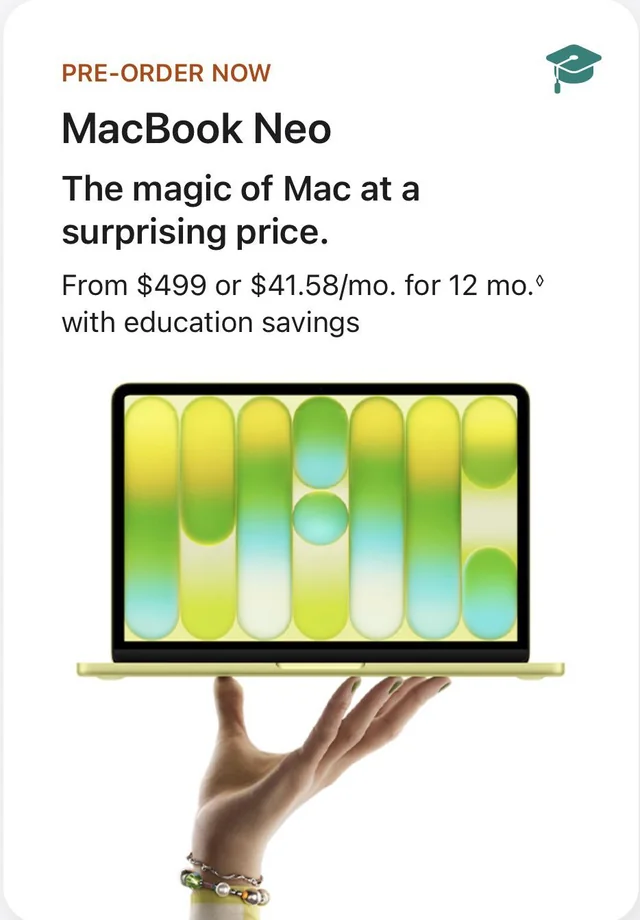
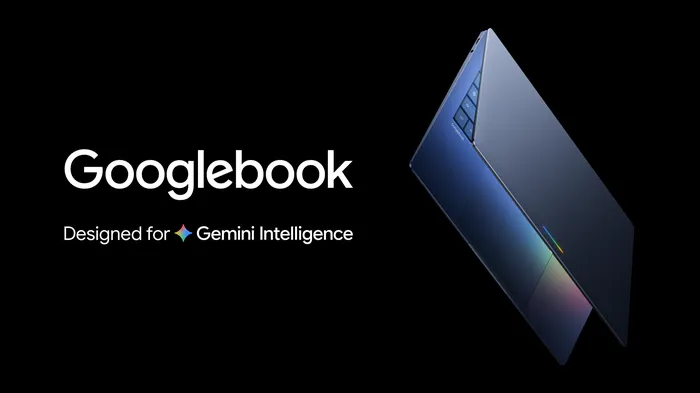
But you can buy the $600 MacBook Neo, and despite my many protests and alternatives to it, the numbers don’t lie that people in developed nations are EATING IT UP as a great entry-level machine, and making Windows look bad. In fact, Google’s new Googlebook program threatens to be a problem too, as Chromebooks aim to move from being web-focused machines to more capable laptops through the flexibility of Android.
Simply put, Windows isn’t exactly as healthy as it used to be. And what’s worse is Microsoft saw all three threats coming but ignored them seemingly because it thought its pivot to AI would be enough to stave them all off. To Microsoft, entry-level computers or gaming cred didn’t seem to matter if Copilot and Azure took over as the dominant AI Platform and platform provider, respectively, and that’s why, even with genuine wins like the Snapdragon X machines or the ROG Xbox Ally, the company would still force some kind of AI rhetoric into the narrative.
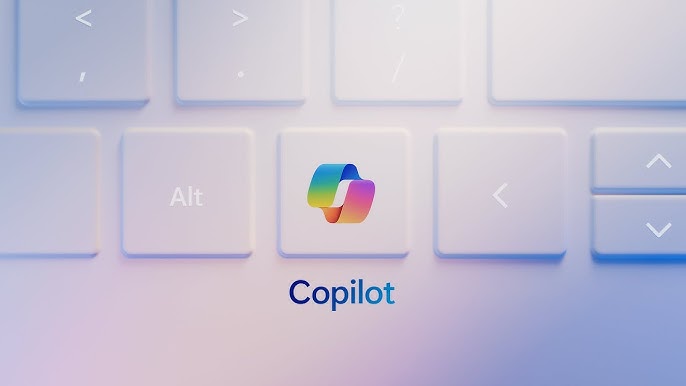
Add in how Copilot is constantly shoved down your throat within Windows and how the platform serves you ads depending on which region of the world you live in, and you start to get how Microsoft, in a sense, was willing to let parts of Windows basically degrade in quality as long as the platform served you as much AI as possible. Even if you didn’t actually want it.
All these factors, along with dropping millions of PCs from Windows 11 support, have all neatly tied themselves into a Windows-killing noose that, while not tight enough yet, is beginning to tighten around the platform. Again, if you’re experiencing this from an African perspective, you probably don’t think this is a big deal right now. After all, I’m a pretty big techie and could get past all of these annoyances. But some people and some markets genuinely can’t take that, and that’s shown in the growing online sentiment around Windows as well. Windows is in a bit of a bad place, and Microsoft has finally started to notice that.
But thankfully, the story doesn’t end here. As we said, Microsoft, with the help of key partners like Dell and Nvidia, seems genuinely poised to make a Windows comeback, seemingly learning the error of its ways and beginning to address its three pillars and more. Will this be enough? Well, if you want to find out more about that, you can wait for part two of this article launching tomorrow! Trust us, you won’t want to miss it!
Related Stories
Windows’ Secret Comeback Part 2 : RTX Spark, AI Dev Tools, XPS 13 for $600
LL Cool J Voice: Don't Call it a Comeback!!
Read More

OnePlus ISN’T Dying. But it’s definitely changing.
For Better or For Worse If there’s any topic in...
Read More
EcoCloud is the latest embarrassment in a trend of “unfinished” Zimbabwean Software
How are we not past this still?
Read MoreAbout Author