Windows’ Secret Comeback Part 2 : RTX Spark, AI Dev Tools, XPS 13 for $600

LL Cool J Voice: Don’t Call it a Comeback!!
Last we talked about how Microsoft had been digging itself into a pit with Windows, focusing on chasing AI dominance in a way that became detrimental to the operating system, and leaving gaps for almost everyone and everything that could challenge Windows to do so. It hasn’t been a good time for Windows fans, and it was beginning to look bad for Microsoft, too, as gamers have been embracing Linux, young people are flocking to the MacBook Neo and even AI developers would rather use anything but Windows to build the groundbreaking AI systems Microsoft would like to claim are best on Windows, too. But thankfully, the secret comeback we mentioned is happening, and in this developer season, Microsoft showed a few things that make it clear the company is learning from its errors.
Dell XPS 13: The MacBook Neo Killer

Let’s start with something all of you can relate to: good, cheap Windows machines. The MacBook Neo basically took the market by surprise and got the required fanfare to seem like the best thing since sliced bread. We talked about this before, the Neo isn’t the best machine for its price, especially if you know where to look. But, in areas like the US and EU, it definitely quickly filled a niche that somehow Windows had neglected, being good enough at $600 to feel like a flagship, even if it didn’t actually have flagship features. And while we would have preferred Windows manufacturers just repivot their premium Snapdragon Gen 1 machines to take this thing on, Dell and Intel have instead stepped up to give us the new XPS 13. And you know what? It kind of rocks!

Right off the bat, the $600-$700 Machine is definitely aiming for the Neo directly. With a similar base configuration (Intel Core 5, 8GB Ram, 256GB storage), while having a premium build, better screen, and respectable battery that can actually match the Neo. However, it can also have the RAM, storage, and processor options upgraded to ,yes, be a little pricier, but also allow a little more freedom for someone with an extra $100 or two to spend. It’s a good PR win for Windows, and with new machines coming from Asus, Lenovo, and friends, along with the upcoming Snapdragon C processors meant to take on Chromebooks while having much more power at the low end, it’s clear Microsoft at least has their priorities about cheaper computers in order.
RTX Spark: Portable Datacenter + MacBook Pro Killer?
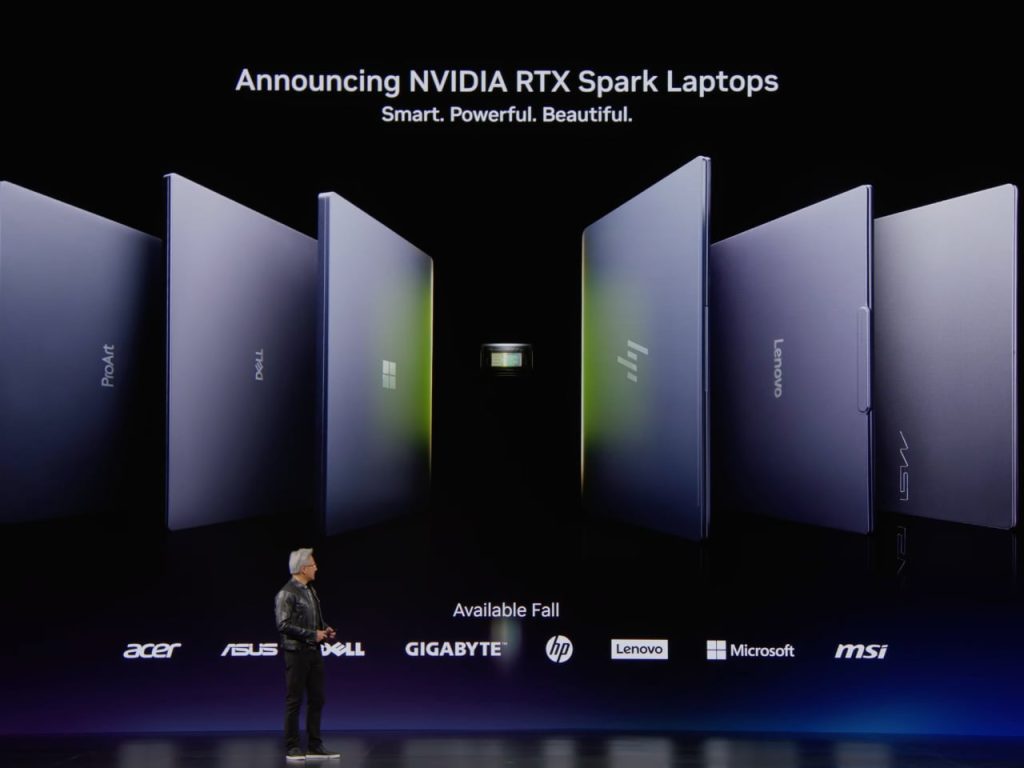
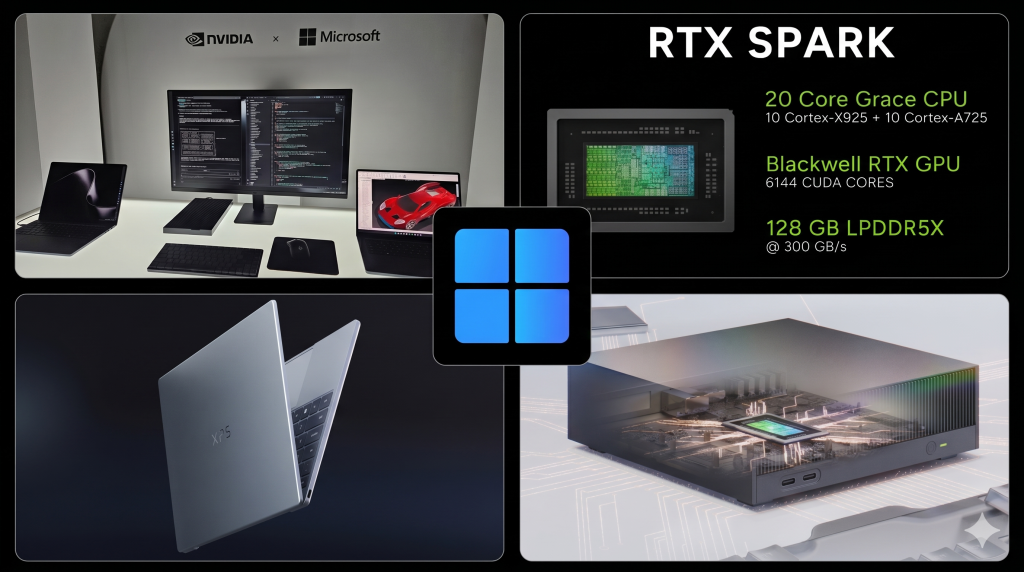
But what about the high end? After all, Microsoft could probably still dominate the cheaper laptop categories through variety, and Snapdragon machines, along with AMD and Intel competitors, have genuinely started to hold their own in the $1000 MacBook Air territory. But what about the crazy content creators or AI bros that want a 16-inch MacBook Pro competitor? Or the guys that want respectable and bankable power similar to a desktop workstation, but now in a laptop form factor. Well, that’s what NVIDIA’s new RTX Spark platform is, and it looks awesome! NVIDIA basically decided they want to finally enter the processor market for computers, teamed up with Mediatek to create a custom ARM-based chip, then combined that with an NPU and GPU that matches the RTX 5070.

Add that into thin and light machines like Microsoft’s Surface Laptop Ultra or the upcoming Asus ProArt 16 , which in some cases are even thinner than the MacBook Pro, and it’s clear that NVIDIA means business. Especially since these are going to be 128GB beasts built more for local AI workloads and being your personal datacenter , something which can seem odd for many but ironically, that niche is exactly what has become Windows’ Achilles heel. Let’s be clear here, none of these machines are going to come cheap, just like the higher spec MacBook Pro 16s they are meant to compete with, and those machines had become a lynchpin for AI developers trying to build local AI apps or testing them locally before deploying them on expensive cloud servers.
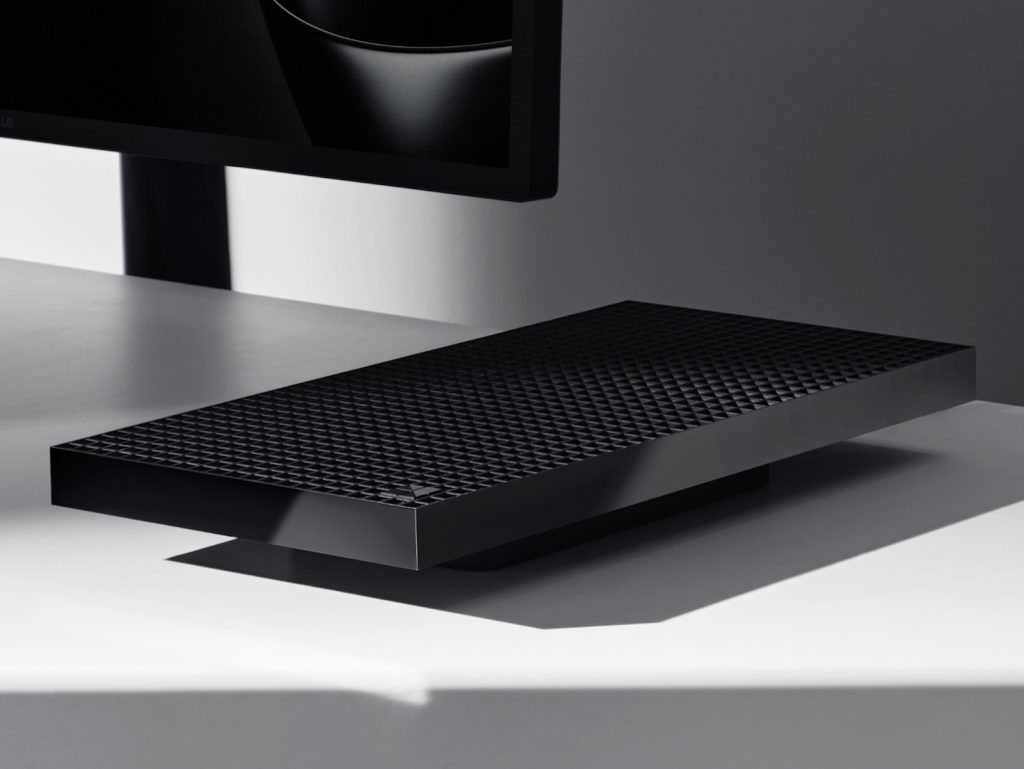
This cascaded to the rest of the Mac ecosystem, where you now have M4 Mac Minis or MacBook Airs being the home for apps like OpenClaw, popular AI apps and platforms that again, Windows is missing out on despite trying to reorient itself around AI. And to be fair, maybe you don’t have any interest in all the AI stuff, but even then, these machines promise far more power than Qualcomm’s Snapdragon machines, more efficiency than Intel or AMD, awesome thin and light form factors, and a stack built by the best GPU maker on the planet. They may not be for everyone, but unless a catastrophe happens, they’re likely going to be awesome, and we can’t wait to see what they bring in the fall. All that said… err, Microsoft….no Surface Laptop Studio 3?
The AI developer push

Speaking of AI (for the last time, we promise), another reason why Microsoft needed something to take on MacBook Pros and the Mac in general is that, well, despite Windows’ floundering about in the AI space, developers have basically made it better to run, build, and enjoy AI apps on MacOS. Especially those that run locally. Now, there’s multiple reasons for this, but the biggest one is essentially MacOS’ Unix Kernel, aka the thing that basically makes MacOS a pretty distant cousin of Linux. And if you know anything about Linux, it’s that while it’s pretty esoteric to everyday users, it also allows a level of freedom that nothing on earth matches. The same level of freedom that makes it great to build new AI frameworks and products on, while Microsoft kept trying to essentially tinker with Windows to match the pace of AI. All of this, of course, puts Microsoft in a pretty bad place, and that’s why at their Build conference weeks ago, they explicitly spent time showing new features and implementations that basically scream “Hey, actually Windows is great to build and run apps on too!” These extend from more dev focused features from PowerShell and how Windows can run Linux within itself (aka the Windows Sub-System for Linux), to more consumer-facing features like Scout, their own take on OpenClaw built around Office 365, and some new features coming to Copilot built for similar uses. Simply put, Microsoft would be damned if you thought Windows wasn’t the home of AI. And while I can’t say I’m jumping for joy about all of that, I genuinely understand the business logic behind it.
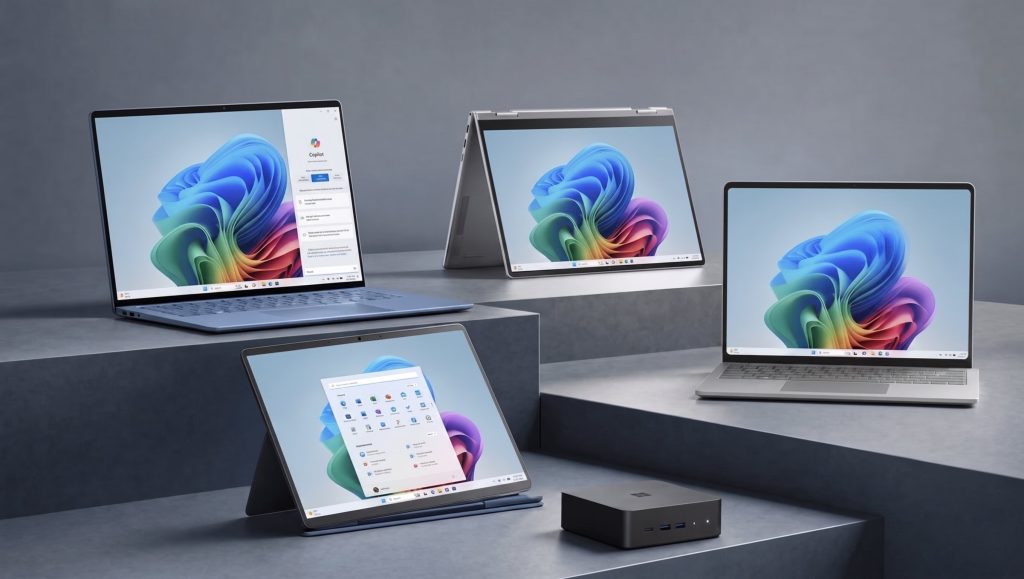
Most importantly, however, whether I like the AI moves or not, I can easily see how those moves, RTX Spark, new affordable machines, and pre-existing efforts like the Xbox Mode enhancements and reworking huge parts of Windows as a whole show a love and investment in the platform Microsoft had seemingly forgotten as of late. It’s admirable. And more importantly creates the type of “Heck Yeah!” energy the Windows community hasn’t had in a while. Will it be enough to fix all of Windows’ problems? Who’s to know. But it definitely has a lot of them being sorted. And makes Windows Exciting again. And for an operating system, people end up mostly associating with Office, Teams, and arguably the most boring parts of tech, I think exciting is a major improvement!
Related Stories:
Windows’ Secret Comeback Part 2 : RTX Spark, AI Dev Tools, XPS 13 for $600
LL Cool J Voice: Don't Call it a Comeback!!
Read More

Ecocash Super App Review: Why is Ecocash a social media app now?
You have to check your EcoCash DM's now?
Read More
OnePlus ISN’T Dying. But it’s definitely changing.
For Better or For Worse If there’s any topic in...
Read MoreAbout Author