
EcoCloud is the latest embarrassment in a trend of “unfinished” Zimbabwean Software



How are we not past this still?
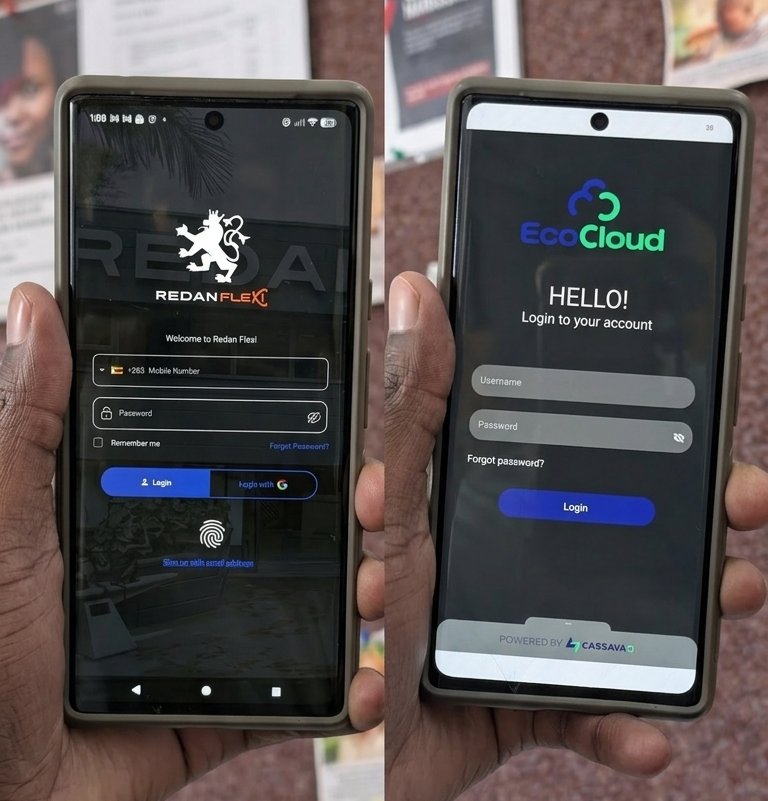
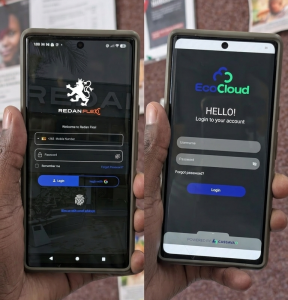
Econet’s new EcoCloud service had Zimbos pondering about it when it launched this past weekend. Partially because some thought it was a data bundle due to its USSD menu positioning, but mostly because as enthusiastic users tried to sign up and use the app, they couldn’t. Despite Econet launching this thing on Google Play, and having bundle subscriptions ready for users to buy, the company’s new app can’t even let users log in because they can’t register to use the app! And while by the time you read this, that error might have been fixed, it points to a problem that many Zim apps have had either at launch or through their lifetimes: many of them are severely broken or incomplete, and it’s become unacceptable, especially in this day and age.
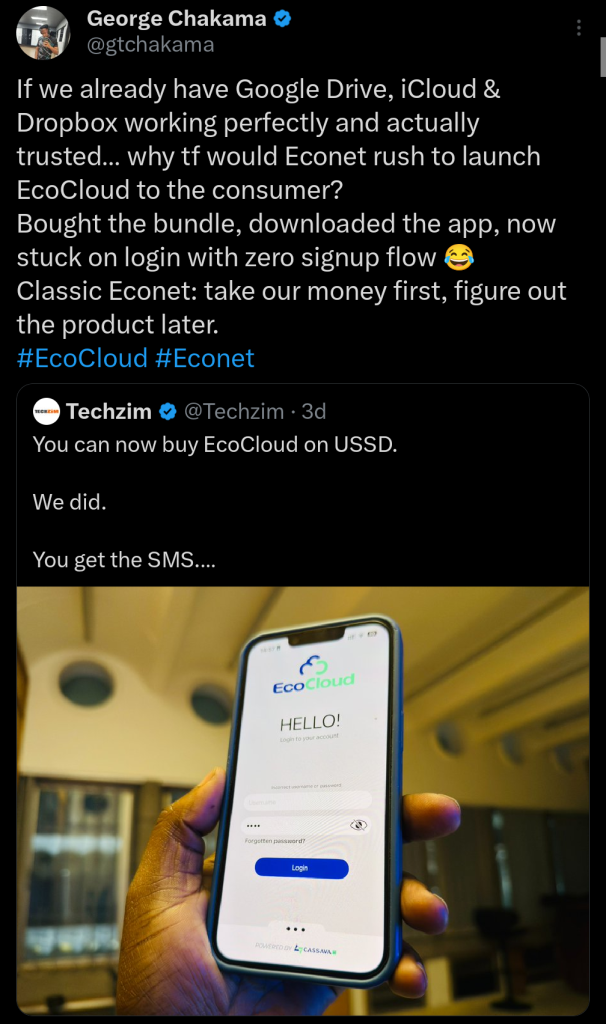
As shown by many social media users on Friday, including TechZim, EcoCloud’s app is literally unable to let users register to use the platform, meaning none of them can log in to use it even when they’ve purchased the necessary bundles to use the App’s cloud storage. This genuinely seems like a simple, but huge oversight on Econet’s part, as they seemingly have set up a service for users, set up a way for them to buy it, but forgot the part of giving users access to the service they paid for! The saddest part, however, is that this isn’t even the first time a major Zim corporation has had a major app that barely works at launch, and it’s genuinely a pattern that our country’s corporates and tech firms NEED to break away from.

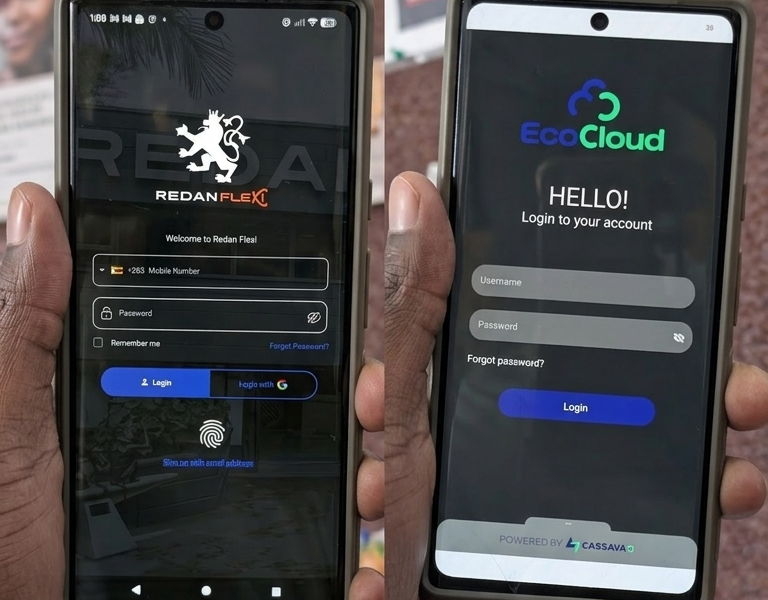
Another easy example of this is Redan’s RedanFlexi app, a fuel companion and digital coupon app that honestly seemed like a godsend in this recent fuel crisis. So I downloaded it in order to see if I could sacrifice for some coupons to last me a month, only for that app to lock me out once we got to the account verification (2FA) step. A few tries later (including on a different number and with someone else’s phone), and the app still didn’t allow me to register . So despite my vehemently wanting to give Redan my money and buy coupons, I couldn’t, and I gave up on the app because of one major bug. And just to be clear, this is an app from one of the country’s most prolific fuel and energy companies, just like EcoCloud is from the most powerful telecom company in the country as well. And yet both apps are a technical failure due to what seems like a lack of software quality assurance.
They aren’t the only ones, either. Ask anyone who’s used the Chicken Inn app and got an app freeze that removed their discount, had scaling issues on ABC Auctions, or, of course, tried to use Tap N’ Go, especially in its launch phase. It’s a pattern for Zimbabwean apps to be a mess either at launch or, worse still, continue to have issues for as long as they are available. Just look at how EcoCash basically abandoned their original Android app, mostly because, for some reason, they simply couldn’t update that app for almost 10 years, then finally scrapped it when they introduced a new app (you can actually still find the old app if you ever downloaded it on the Play Store). Why they did this remains a mystery, but it brings a bigger question and a lot of theories as to how and why these companies ship broken apps.
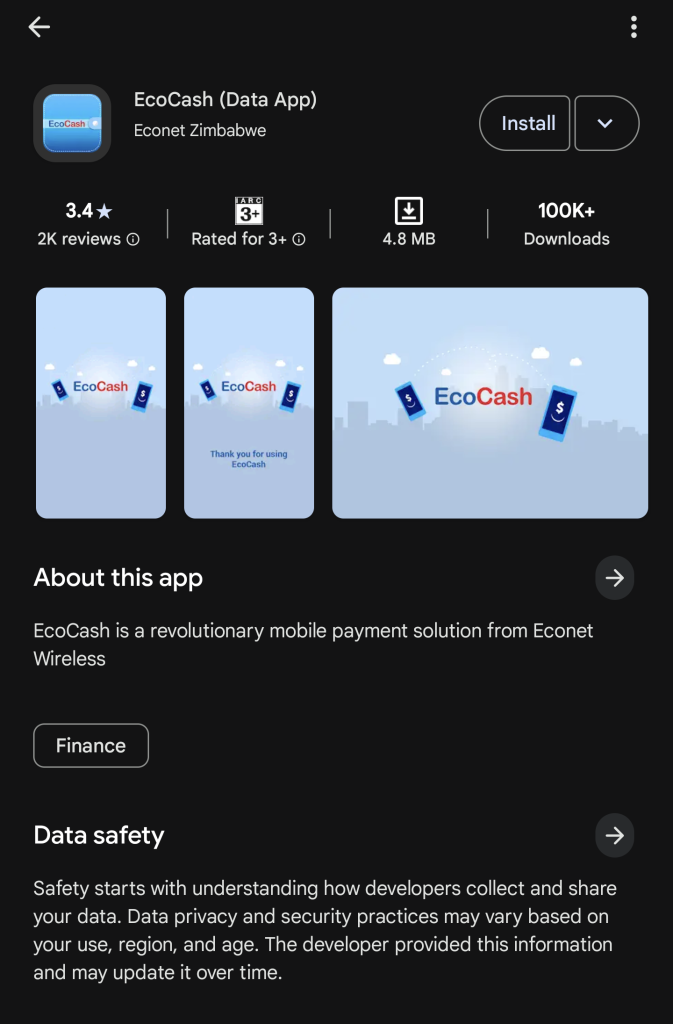
In EcoCash’s case, the two apps were likely built by different internal teams, or worse yet, different external consultants, meaning whoever built that original app likely wasn’t available for updates or any further enhancements to the app. The two apps technically are under different vendors on the Play Store, but that could simply be a side effect of Econet’s penchant for corporate restructurings. As for RedanFlexi? Well, that one is a much simpler case of an app built using AI.
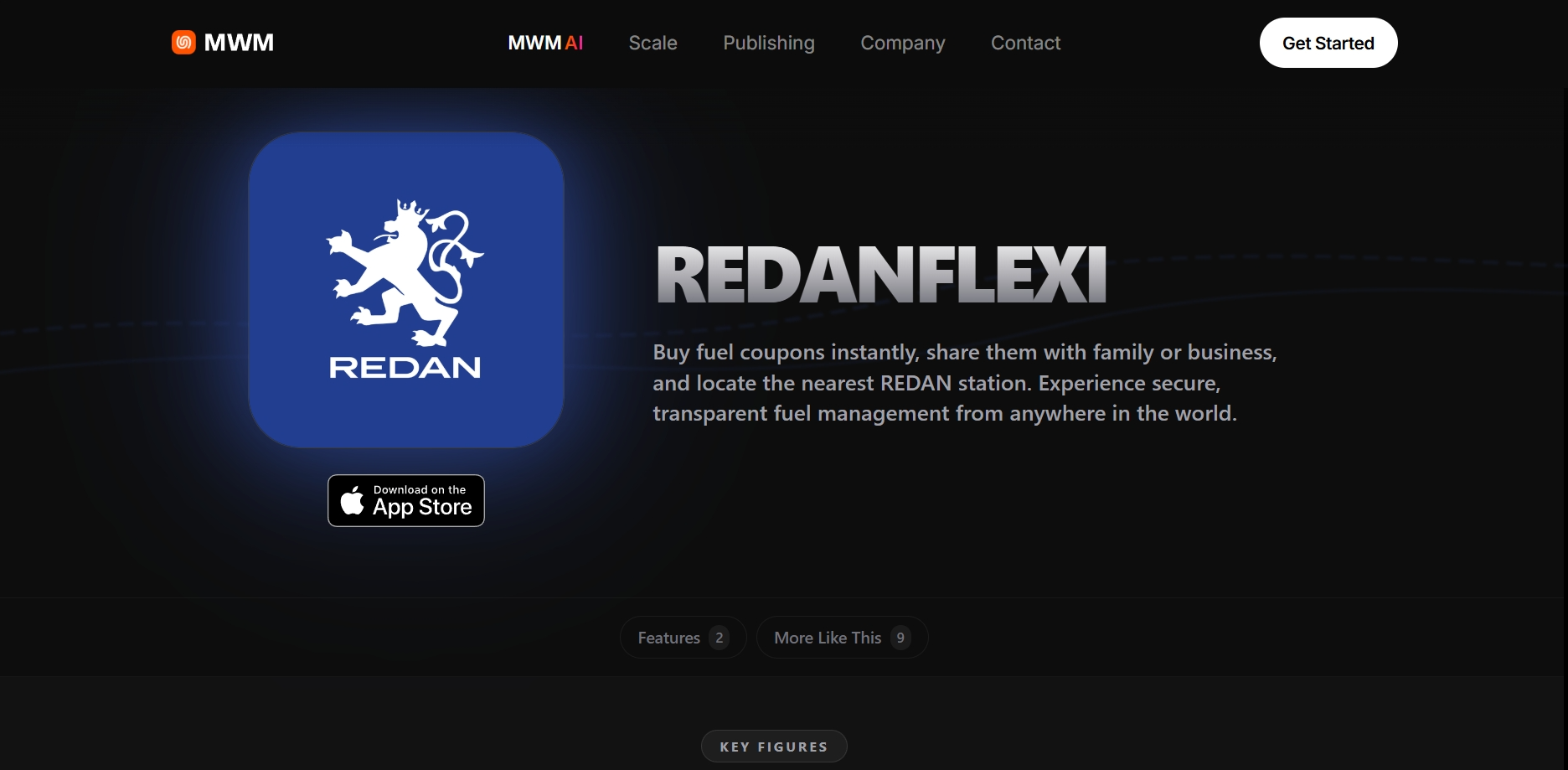
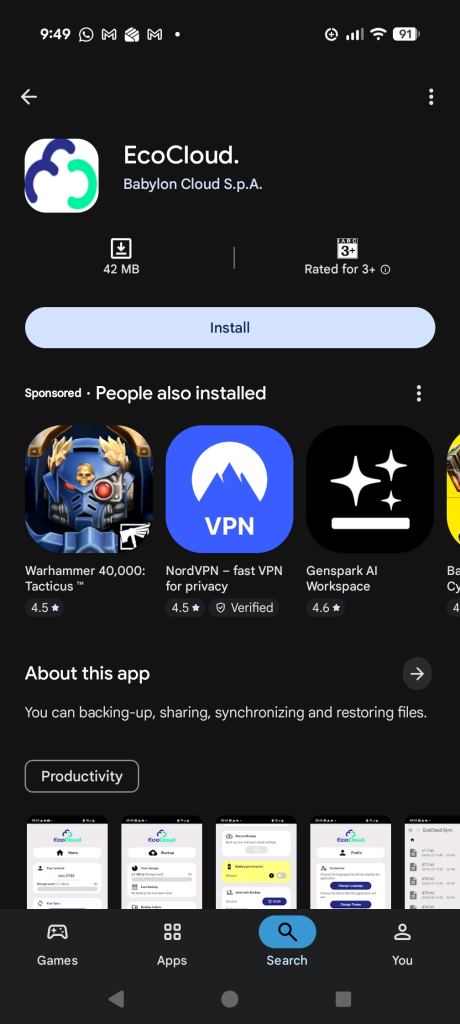
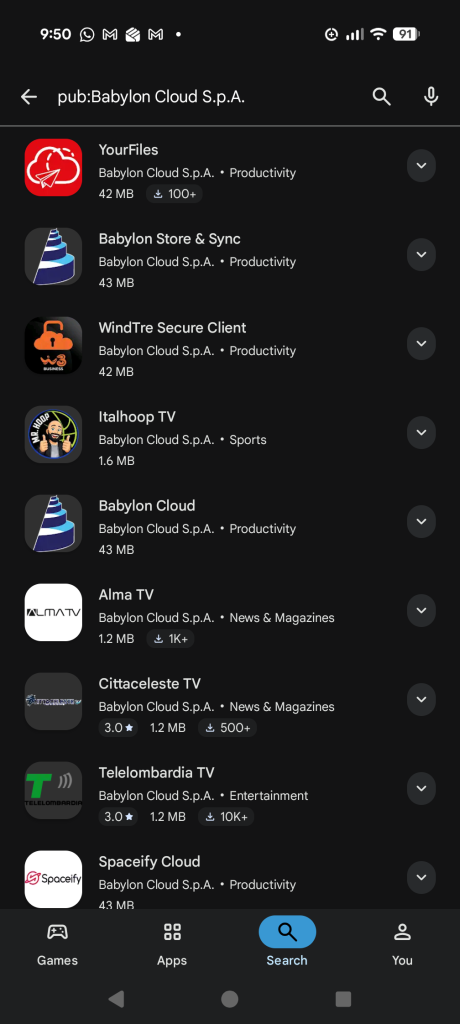
Now let’s be clear, vibe coding isn’t a bad thing, and while it may be causing a lot of turmoil in the global software industry, it’s often a great tool in the hands of competent developers. However, competence is kind of the keyword there, because the best thing about AI is also its worst thing: making people lazy and sloppy when it comes to the quality of their work. A seasoned software developer might look through every facet of the code, mostly to understand how it works, where it can be improved, and any unintended consequences like unnecessary server usage or, in Redan’s case, a functional user registry flow. Because now, no matter how much extra work was poured into that app, this one error makes it seem useless (and for those of you wondering, it hasn’t gotten an update since I got it almost 3 weeks ago). And yes, there may be justifiable reasons for this. For example, the developer team for the app (if it’s even a full team), might have been under tremendous pressure to hit a launch date. But now all that will seem for naught if again, the app doesn’t work. EcoCloud seems to be built by an external contractor, namely Babylon Cloud S.p.A. , so maybe Econet and them need to sit down and sort out their rollout a bit better. Either way, it’s not a great look.
It’s especially embarrassing when it has become the norm for both consumers and even corporate executives to now expect a dodgy, unfinished standard for Zimbabwean apps and services. And that should frankly be unacceptable for anyone who uses apps, which is the majority of people with internet access.
And some of you may want to play a blame game when reading this , choosing to single out local developers or their corporate/admin staff as the reason so many bad apps get made, but truthfully, that would just be a distraction. Yes, the culprits need to be singled out, but before that, a general culture shift among Zimbabweans when it comes to tech is far more necessary. We all need to believe we deserve the best apps ,products and services so that anyone building said them aims for nothing but. After all, software is an international market, and while some hindrances against Zimbabwean developers do exist (looking at you Mthuli and your taxes), they shouldn’t stop developers and designers from wanting to bring forth world-class products. And I say this as someone who is a freelance software developer and holds myself to the same standard, while also knowing Zimbabweans who write world-class code and ship world-class products.
As such, the Zimbabwean software industry needs to pull up its socks. Whether it’s corporates being willing to properly invest time and a conducive environment for developers to produce the best work (seriously guys, software QA is a must), or it’s developers (when possible), putting in the extra time and craftsmanship into the products they build so they feel less like hobbled scraps of buggy code and more like clearly thought through experiences that a user will enjoy using. In fact, corporates should spend time looking at the GOOD local apps that exist, and see what those have to offer. Maybe hire some of the teams behind them as well, rather than stay in a rat race of over/underspending, overworking employees (in some cases), then still coming up with sub-standard products and wondering what’s wrong.
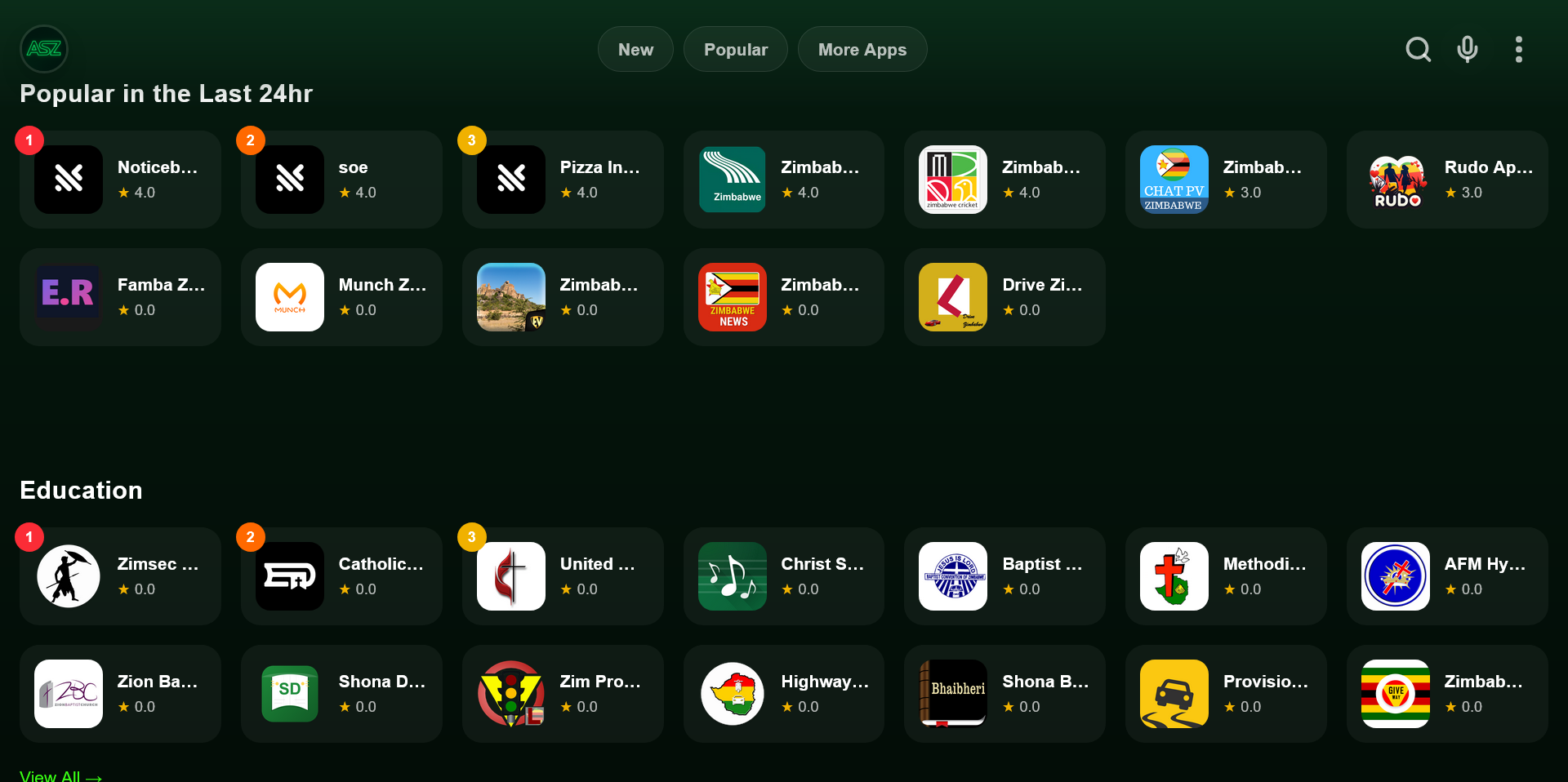
Now, can all this be done? Absolutely! Will it be done? Well, it better be, because we’ve gone too long with sub-par apps from the companies and services we rely on most. This new advent of AI tools should help them weed out some technical issues and hone in on first principles, not get lazier and produce more slop. Here’s to hoping some of those companies listen. And if they don’t, add your complaints on top of mine, make them see how much money they’re losing. That tends to have a better effect!
Related Stories:
EcoCloud is the latest embarrassment in a trend of “unfinished” Zimbabwean Software
How are we not past this still?
Read More

The MacBook Neo is going to be a hit,(mostly) because Windows has dropped the ball dismally as of late.
Almost like taking Candy from a baby...
Read More
Did Google Win the AI War? You’re asking the wrong question.
"Winning" in AI is a little more complex than you...
Read More
The tech winners and losers of 2025, show where we’re going in 2026
Lessons to learn from last year’s MVP’s and biggest losers. ...
Read MoreAbout Author