
The tech winners and losers of 2025, show where we’re going in 2026

Lessons to learn from last year’s MVP’s and biggest losers.

Happy New Year, everyone! 2026 is already here, and like you, we’re already majorly excited for what comes next in this brand new frontier. But before CES coverage starts and we take a look at what crazy tech we can expect this year, we wanted to start by taking a few specific looks at 2025 and noting a few lessons we can learn from that year, starting with a list of tech wins and losses from that very interesting year we just wrapped up. This list will include everything from products and services to regulatory changes and even full-on company strategies that happened in 2025. And while usually we would even throw in a few honorable mentions, we’ve got a new section at the bottom that is arguably even more interesting than the wins and the fails. So let’s get into it with the biggest tech wins and losses of 2025!
Win: The Meta Ray Ban Display

To say a lot of the things Meta (formerly Facebook) does in the tech space tend to be odd (remember the Portal), derivative( every feature Facebook and Instagram copy from competitors), or just plain controversial ( all of Metas AI Moves in 2025), would be an understatement. But every once in a while, Zuck and his company prove that they’re not a fluke of the right product in the 2000s and the billions that came after, and the Meta Ray-Ban line of smart glasses has proven that, fitting in that interesting space between fashion and consumer tech that very few besides Apple tend to manage. What no one saw coming this year however, was that Meta would just take the next leap forward this year and produce the thing everyone really wanted, real Augmented Reality smart glasses that u can basically use like you’re Iron Man or any of those sci-fi characters with a floating display in front of their heads.
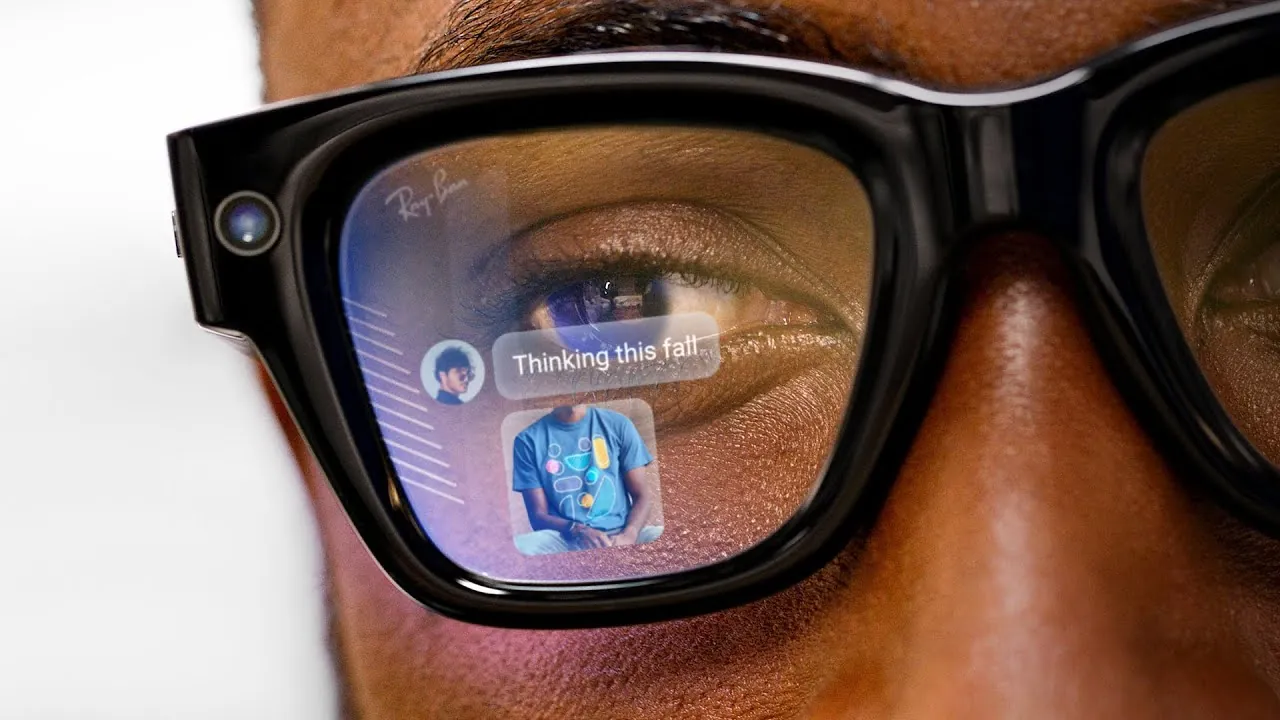
Are they the perfected version of this tech? Not yet. At the moment they record stuff and mainly get messages. But they exist, genuinely work, and even implement AI in a way that feels quite natural. All while Apple keeps pushing a giant, clunky Vision Pro and Samsung’s rival to that company is getting written off by Samsung themselves as their upcoming Android AR glasses are “much more exciting”. Simply put, Meta has a lead here, one that has created a genuinely interesting product which seems like it will only get better. Here’s to hoping you don’t screw it up Zuck.
Loss: Econet Killing Smartbiz

Now I’m sure some financial analyst or Econet corporate suit will sit down and tell you that killing Smartbiz was the smartest thing Econet could have done this past year, that their Financials have boosted because of it and that the market doesn’t really need cheap unlimited internet (Liquid Home/ZOL is already thinking of similar strategies). But here’s the thing, no matter how you spice it, Econet killed what had become a revolutionary product for individuals and small businesses, finally bringing internet down to a common denominator commodity that it SHOULD BE for all Zimbabweans. Smartbiz wasn’t even the best offering in town, but it pushed others like Dolphin Telecom to compete and become more visible, all while the mighty Starlink proved to be the standard bearer that shifted the industry since 2024. Unfortunately, once Econet saw that Starlink is no longer as much of a threat due to the limited capacity in big cities. Now Econet has forced some customers to inferior packages while others have flocked to some of the alternatives available. Either way it’s a massive step backwards for Econet and internet access as a whole, and it doesn’t matter how many influencers or media pros you make talk about it Econet, it still sucks.
Win: Zimbabwe having a National AI Strategy

We’ve said this before, and we’ll say it again, the advent of AI, whether we like it or not is borderline inevitable. It’s been dominating the tech space for the past two years, and its effects are starting to be seen everywhere from artistic and corporate circles, to energy and financial sectors. As such, it’s only natural that world governments and regulators get ahead of managing this boon as well as they can. Yet out of the 50 countries in Africa, only 16 have any sort of AI policy or response, and thankfully, our country is one of them. While some say it’s not as comprehensive as it should be, it’s still a necessary first step in getting our country ready for the advent of technology that could change the whole world as we know it. So while we usually don’t always give our Ministry of ICT and regulators a thumbs up in their many, many mistakes, this is one of the best moves they’ve made in a while.
Loser: The AI Slop apocalypse

Go on any social media platform. Scroll through the videos. Chances are 1/5 of them is created by AI, and depending on how good you are at seeing that, you might not even notice. Some of it is funny or amusing in some sense, but a lot of it is downright frightening. People are already trying to book destinations in Bali that don’t exist, watching science videos that are complete nonsense and waiting for movies that will never be made. And that’s all because ever since AI video generators have hit the public everyone is using them to spread all sorts of content o line, and ironically, rather than try limit or stop their spread, most big social platforms are outright promoting them in their algorithms, especially if they’re made by that platforms own AI product. This is why you see a lot of Grok videos on Twitter for example, and based on your preferences, it might make you use a social platform more, or less than expected. It’s also why dedicated AI video social media like Sora and Meta’s Vibes exist, but those basically work as launching pads to put the same content on regular social platforms, and it ALL SUCKS. Again, nothing wrong with a little AI humor and cats that sing a Kendrick song. But when that becomes the overwhelming content online (which is slowly happening) and all the creative and interesting people who work on real content start getting sidelined, we have a problem. So the AI Slop-apocalypse needs to stop. Simple as that. Now if only these big tech companies could get on board with that (chances are they won’t).
Win : Everything Oppo was doing with their phones (or at least the flagship ones)
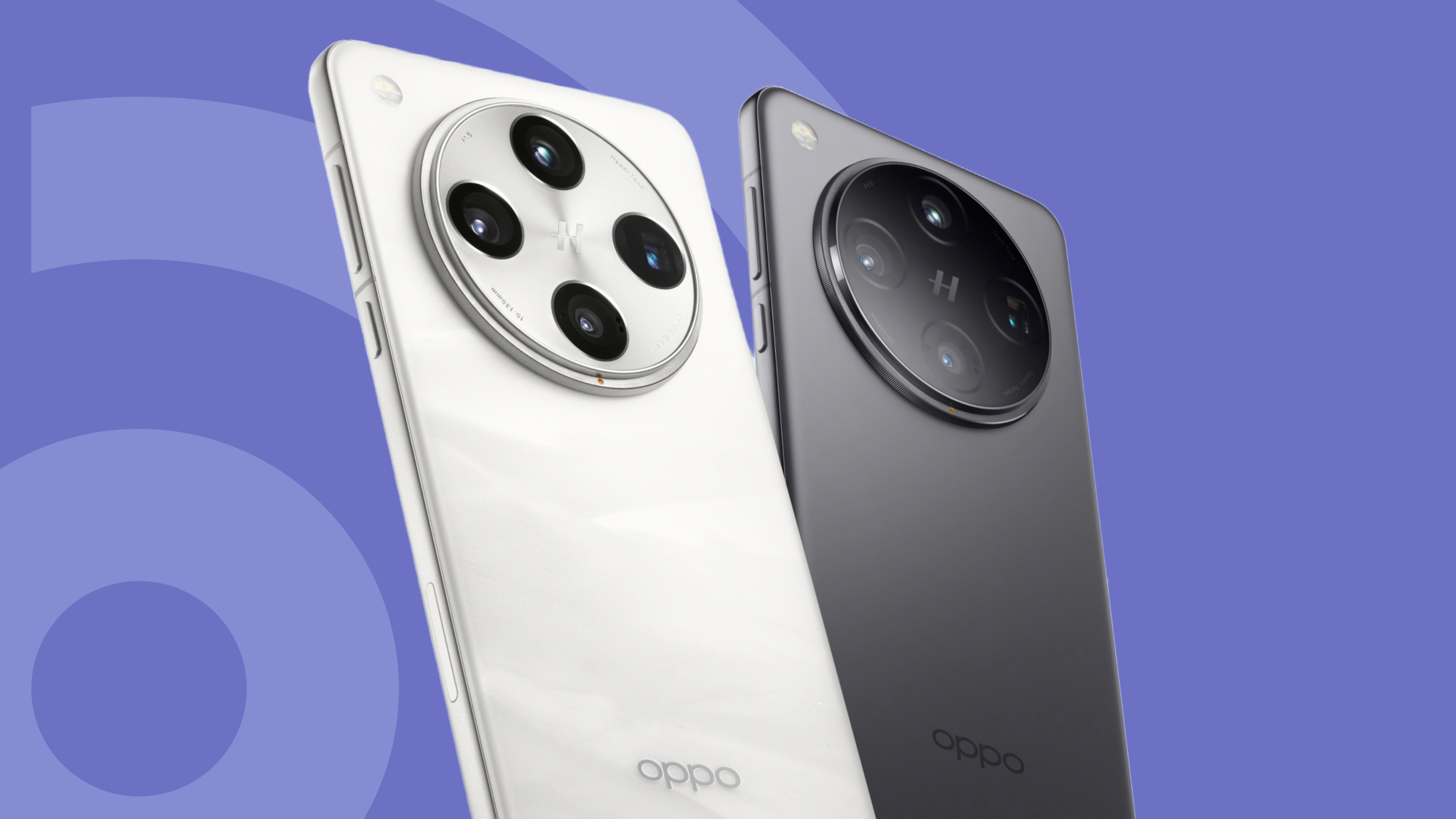
Let’s be clear, 2025 was actually a pretty solid year for a lot of smartphone companies. We’ve already written about how Apple put together the most solid smartphone lineup it’s had in almost a decade, while Google secretly released sleeper hit devices with the Pixel 10 series. But honestly, if there’s a company that couldn’t miss when it comes to smartphones this past year, it was Oppo. The Chinese firm came swinging this year and pretty much every hit it needed it got. The Find X8 Pro was easily our best pick for a Pro/Ultra level flagship when the year started, yes being a late 2024 carryover but still being an awesome deal when 2025 started. And it pretty much kept that momentum until late 2025 when it was replaced by the Find X9 Pro. There was also the Find X8 Ultra, meant to carry the torch of past mega camera Oppos, and while Xiaomi’s 15 Ultra and Vivo’s X200 Pro ran away with the “Camera King” title, the Find X8 Ultra was right behind them.
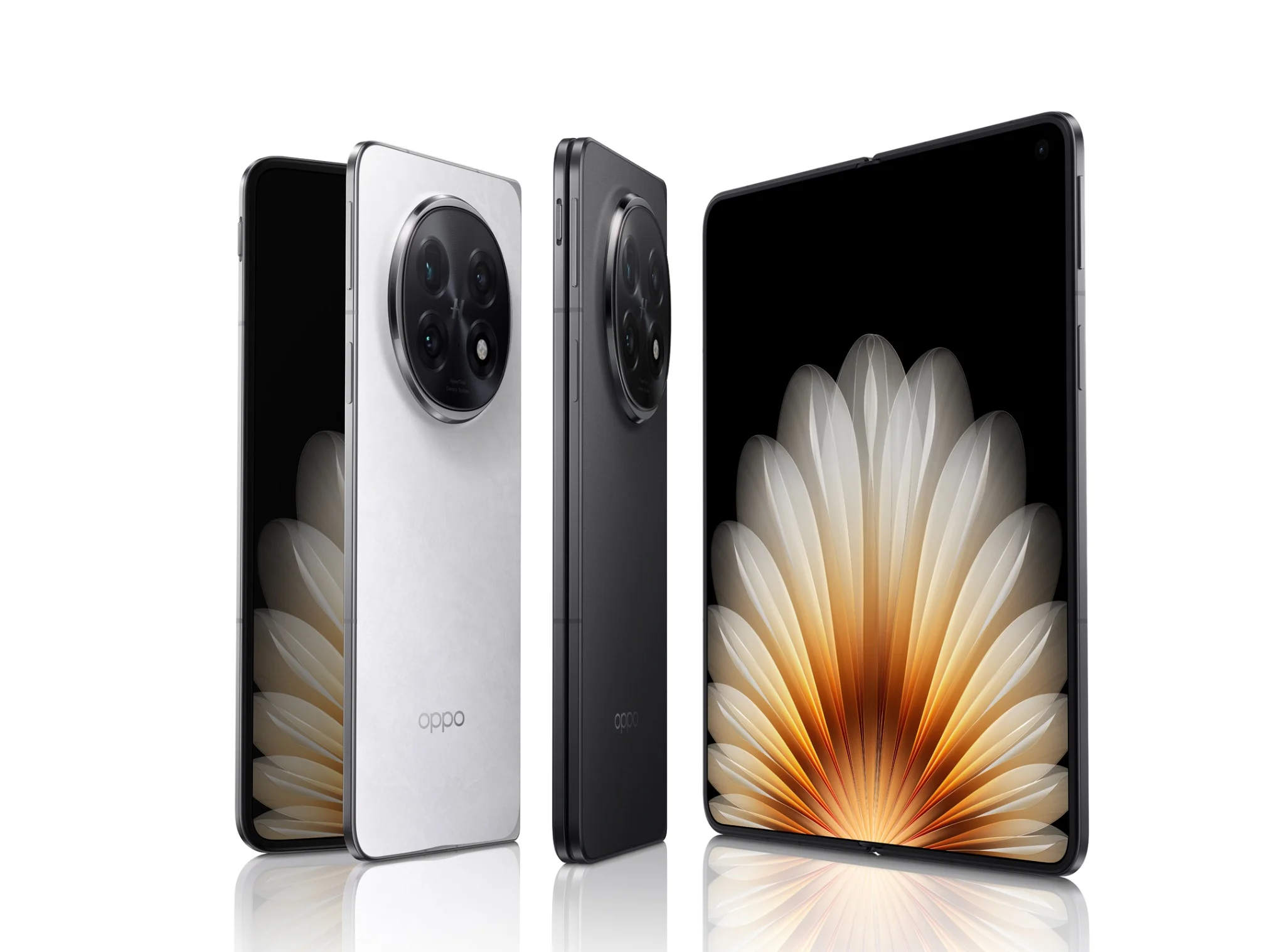
Add in how the Oppo Find N5 was the foldable Samsung was beefing with when it released the Fold 7 and you realise that Oppo has become something that usually gets associated with Apple each year : being the one to beat. Literally Oppo’s flagship options are borderline undeniable bar a few nitpicks like region availability. If we were to include Oppo’s sister companies OnePlus and Vivo that prestige only gets higher as they were also on fire this past year. And with the look of the Find X9, that lead in quality might only increase in this new year. Here’s to hoping it does so it forces everyone else to get on point again.
Loss: Nothing Phone 3

From one of the most consistent phone makers of the year, to the one that arguably let people down the most. If you’ve seen any of our previous coverage, you know we love Nothing, and earlier in this past year they released some of their best devices ever with the Nothing Phone 3(a) and 3(a) Pro. These devices made almost every other budget phone of the year be put to shame, and it hyped everyone up for the much teased ( and delayed) Nothing Phone 3, a flagship nothing had teased since 2024. And we’ll when we got it, we wondered what happened.
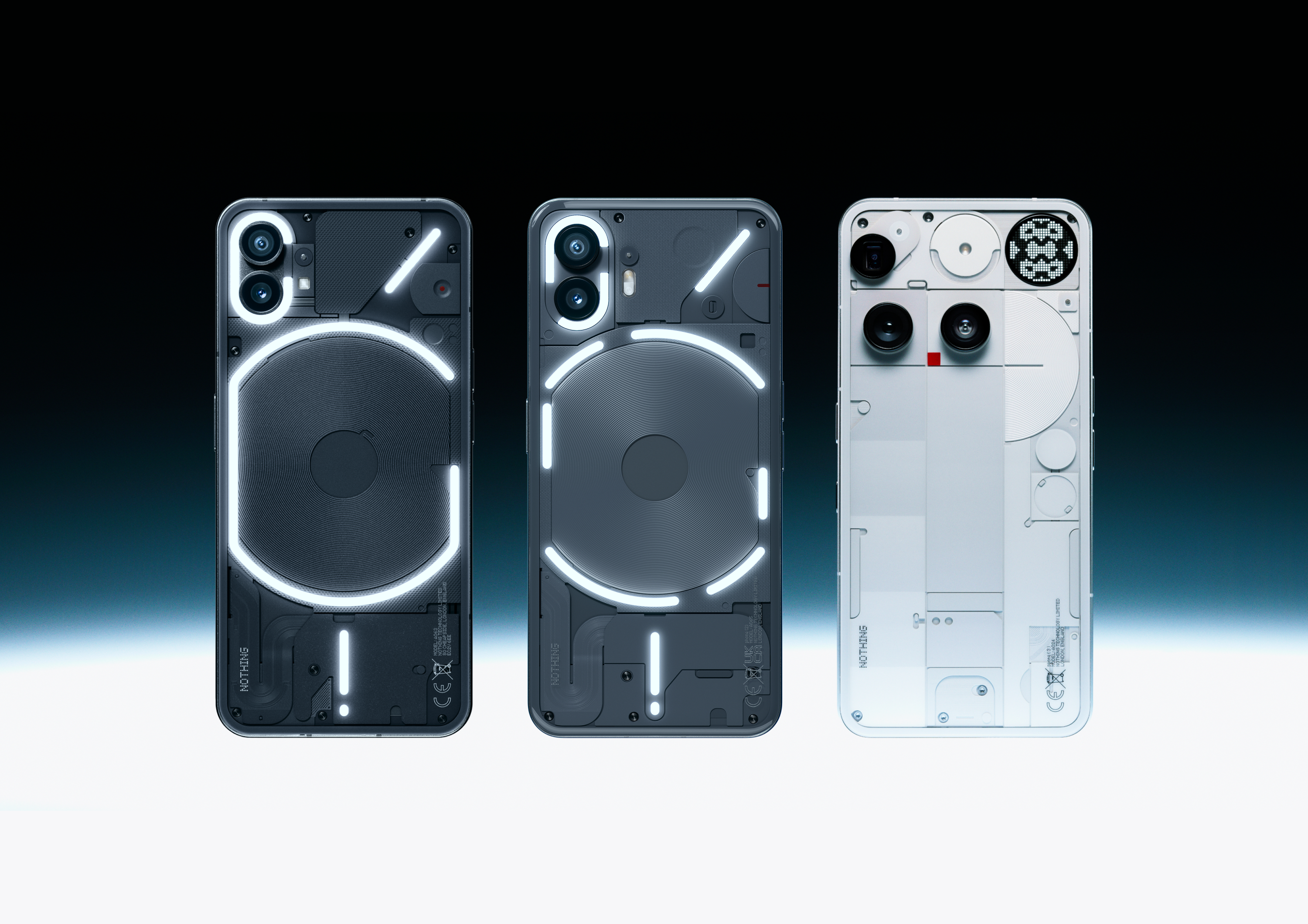
Gone was the unusual but symmetrical design of previous mainline Nothing Phones and instead there was this od, asymmetrical mess that made the cameras look like googly eyes. The iconic glyph lights got replaced by a tiny circular screen called the Glyph Matrix that seemed to miss the point of the lights while getting outdone by Xiaomi later, and while to be fair the phone came with admirable performance, adequate cameras and 256GB of Storage to start, the iPhone 16 had the same and better for the same price, while the Pixel 10 and Galaxy S26 had better cameras and more complete ecosystems while honestly, being less ugly. Nothing missed the mark here, and we hope next year they can hopefully fix that.
Win: Microsoft Surface Pro 12-inch

Let’s be clear, over half of what Microsoft has done in 2025 sucks. They’ve reoriented the company too much towards AI, leading to dumb things like forcing Copilot down your throat. They’ve fired a bunch of staff in teams for key products like Windows and Xbox. And they genuinely don’t seem to care about the negative connotations and reputation they’re getting from their actions because all this AI-coded behavior makes their stock price go up. But you know what, even in all that screwing up, Microsoft made one amazing product in 2025, and it’s this! The Surface Pro 12 Inch (not to be confused with the Surface Pro 12) is basically a slightly smaller and cheaper version of the Pro 11, and if you know our thoughts on that machine, you know why this thing rules. Long story short, it’s basically the perfect Windows tablet, now more focused on the tablet part than the Windows part. It’s light, has amazing battery and genuinely surprising performance while looking great and being easy to use too. The fact that it has a Snapdragon X Plus chip also means it’s probably a good AI machine but honestly we don’t care about that. In fact I personally find this little machine so impressive that I bought one as a secondary computer, and I can’t wait to make a video about how much I love it!
Loss: The USA Tiktok Ban

To be fair, we maybe shouldn’t be considering this a fail because all things considered, the Tiktok ban not happening is probably a good thing. After all everyone in the USA still gets access to full Tiktok while the rest of the wolrd gets access to its favorite US-based creators, US artist music and so on. So again, it’s a net good for everyone, except the US government that kept threatening to ban it since the first Trump administration. And at the beginning of last year, it actually seemed like it was going to happen. Until it didn’t. And now one year later Tiktok keeps having the ban delayed for 90 days while a bunch of billionaires and corporations show interest like contestants on The Bachelorette. Will it go anywhere? Maybe, after all this is a year where US government elections happen and so many would-be governors and senators may bring up the issue. But does the US government already seem like it doesn’t have erm….. certain male body parts? Also yes.
Win: Google and AI

When Google launched Gemini 3 late last year, a whole corner of the internet lit up because it had finally happened, Google had brought a model that makers ChatGPT look like a chump and a bunch of cool products with it that makes it seem even cooler. That was definitely true, but what was even truer was this was a culmination of Google putting a target on OpenAI’s head two years ago and deciding to chase them down till they started winning again. This is what’s led to changes across Google’s portfolio from search to docs to your phone having a Gemini assistant that can be your tour guide in a new city. Google built it’s AI into existing products to make it more useful and distributed, while a lot of work from competitors can still seem like really cool but standalone science projects. Add in the next wave of new products like the Antigravity coding editor, NotebookLM, and its instant apps that get made when you ask Gemini for something, and you have Google gearing up for years of AI dominance that might be both a good and bad thing. How that turns out is still very much up in the air, but it would be a crime to not take note of the work and capabilities Google has shown here, because they genuinely are impressive.
Loss: Price Hikes Galore!

If you didn’t know anything else about 2025 , you can know that it was a year of a lot of price hikes. Some which were apparent and immediate, others that are only starting to truly perk up now in 2026! Starting with Trump’s tariff increases. These have since been whittled down a bit, but their effects are still being felt, making it harder to access certain phones and laptops even as they won’t ship to certain nations. However, Trump’s implementations are actually secondary, because the thing that’s really hiking prices up is probably AI! Graphics cards getting too expensive? Blame AI data centers! Software subscription prices increasing? Blame their new tier with AI! RAM prices going up? Blame those AI data centers again! Heck even streaming services are starting to inch up in pricing and while that has nothing to do with AI, both Disney and Netflix have shown an openness to AI content so, guilty by association. Add in how in Zim Nthuli’s new 15% tax will make things even more expensive in 2026, and you can tell that price hikes were the one tech trend that started in 2025, and unfortunately it didn’t stay there.
Win: DeepSeek and the proof of cheaper AI Models.

Speaking of AI’s crazy costs and making everything expensive, DeepSeek R1 may not have as much hype anymore as the year ended but its introduction in early 2025 shook up the AI sector for a good reason. Suddenly these big tech companies demanding billions as it was “the only way” to improve their stagnating AI models all got beaten or matched by a $10 million side project from China. One that was also built and running on slower or less powerful GPUs while extracting similar performance. This was specifically through specific methods that the DeepSeek team came up with, some which have started to be outpaced while others keep innovating, but essentially their work put a huge amount of Silicon Valley on notice as far as their exorbitant investment demands are concerned. And let’s be clear, the AI hype cycle is still going strong, and as mentioned in the previous point, making everything more expensive. But it’s also being put in check somewhat, and projects like DeepSeek are who we should thank for that.
Loss: The Netflix, Warner Brothers (maybe Paramount?) Debacle.

Let’s start this off by stating one very clear thing here: monopolies are bad. No matter what sphere of business you’re in, if that industry has a monopoly, you’re screwed. Don’t believe me? Look at Econet, 90% of the things we complain about with them come from the fact that they are a monopoly. So imagine when the most powerful streaming service in the world buys one of the most powerful and rich movies and TV companies in Hollywood. Not your problem, you may think? Well, think about it this way. Warner owns DC, The Matrix, everything HBO, Friends, Lord of the Rings, Harry Potter, half your favorite music artists, and all of that would now be owned by a company that admits it sticks to an “80% trash, 20% good shows ratio” because “most people can’t tell the difference”.

Still not bad enough for you? How about this. You know how DSTV lost a bunch of channels like CNN at the beginning of this year ? That’s because they were in a simple negotiation dispute with Warner Brothers that owns all those channels. How do you think that negotiation will continue when Warner is now owned by Netflix, the company determined to kill all traditional TV forms like satellite and cable services (i.e. DSTV). Simply put, Netflix Shouldn’t be anywhere close to owning brothers, and yet they inch ever closer due to a US presidency that doesn’t really mind monopolies (because most of the owners are the US President’s friends). Which leads us to the dumbest and unlikeliest of alternatives: Paramount.

Now Paramount on paper seems like a genuine win as an alternative against Netflix. After all they’re still a much more traditional movie and TV business, that understands and loves the artform enough to keep it alive (Netlfix wants to kill all of Warner’s cable and satellite channels or spin them of to die slow deaths). On top of that they have a pedigree of films that while not perfect has regained a lot of love as of late . The mission impossible and Top Gun films are an easy example while one of artistic works like last year’s Running Man show that while Paramount has never been the number 1 Studio in Hollywood, they’re an respectable one in their own right. What’s wrong then? Well their ownership. Paramount is controlled by the Ellison family, specifically Oracle founder Larry Ellison and his son David, who are both very close friends of Donald Trump and have made a lot of erm, promises if Trump helps them win their bid for Warner Brothers, including silencing or even killing a lot of anti-Trump media like CNN, which recently called out his approach to the whole Venezuela situation. Add in things like The Daily Show and essentially every comedy, personality or piece of work that dares to have an opinion against the current US administration, and well, you end up with a media censorship situation that resembles a certain African country. Simply put, this whole situation is a loss, and if I had my way neither company should buy Warner Brothers. But well, I don’t have hundreds of billions of dollars at my disposal, so I likely won’t get my way.
Win: AirDrop on Android
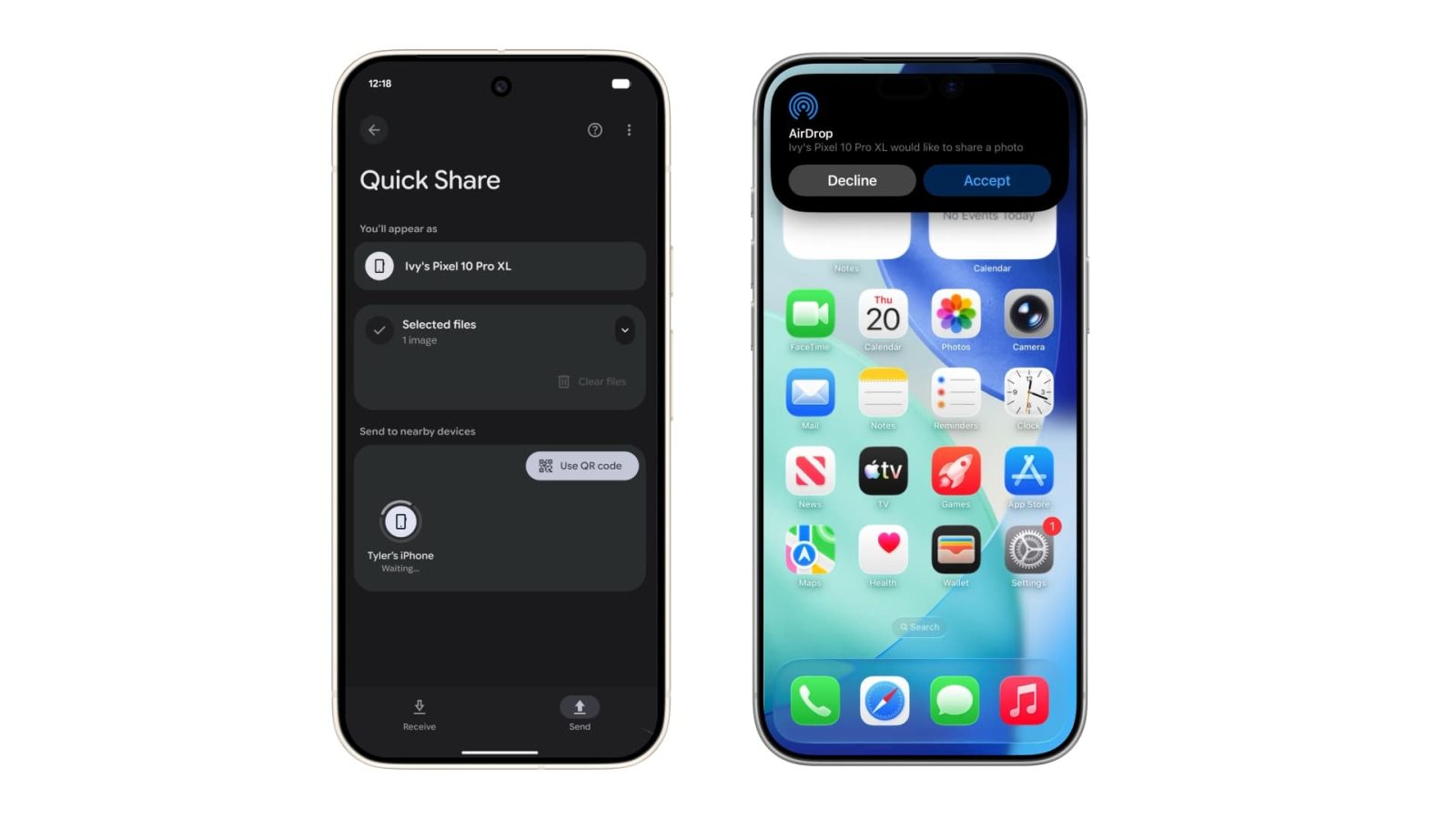
It seems at this point almost every moat apple has to keep people in that’s not iMessage is starting to crack a bit. The Ecosystem is still strong, but continues to be replicated well by Samsung , Google Xiaomi and even superseded by the likes of Huawei. Lightning isn’t a thing as USB-C is the preferred cable method now. Popular Apple advantages like Instagram integration are being caught up to by Samsung, and now, AirDrop isn’t even exclusive anymore. Though that’s not by Apple’s own choice. AirDrop has first arrived to Google’s Pixel 10 series, and that’s because Google were basically able to reverse engineer it and make it work with quick share, and it works! It does require the iOS or Mac User set their AirDrop “discoverable by everyone” , but it’s literally a HUGE bridge in making iOS devices easier to use with everything else. Think about it, now the same Quick share you use on your PC , Android tab, TV or even watch can just send or receive stuff from your friends’ iPhone. That’s a win if we’ve ever saw one, and because of it’s recent troubles with the EU, Apple can’t even fight against it! Justice served? Maybe. Am I grinning either way? Definitely!
Win: The ROG Ally X and everything Xbox is doing for the PC

2025 had two realities of the tech world shattered. The first, the aforementioned AirDrop on Android situation. The second however is arguably something people thought was even more impossible: a handheld/portable Xbox device. Ever since the PSP people have wanted something like that and while it’s a little strange, the ROG Xbox Ally (and Ally X) do deliver on that promise. Elephant in the room, it’s actually a PC gaming handheld like the Steam Deck running Windows and Windows games instead of proper Xbox Games, but what it represents is a huge shift in where the Xbox strategy is going. It also is arguably better by being a PC due to a) being able to run way more games than an Xbox console and b) having a cheaper ecosystem of games as well as the PC space is far more competitive and price drops are more common. Simply put, easy win, even with it’s not so great pricing.
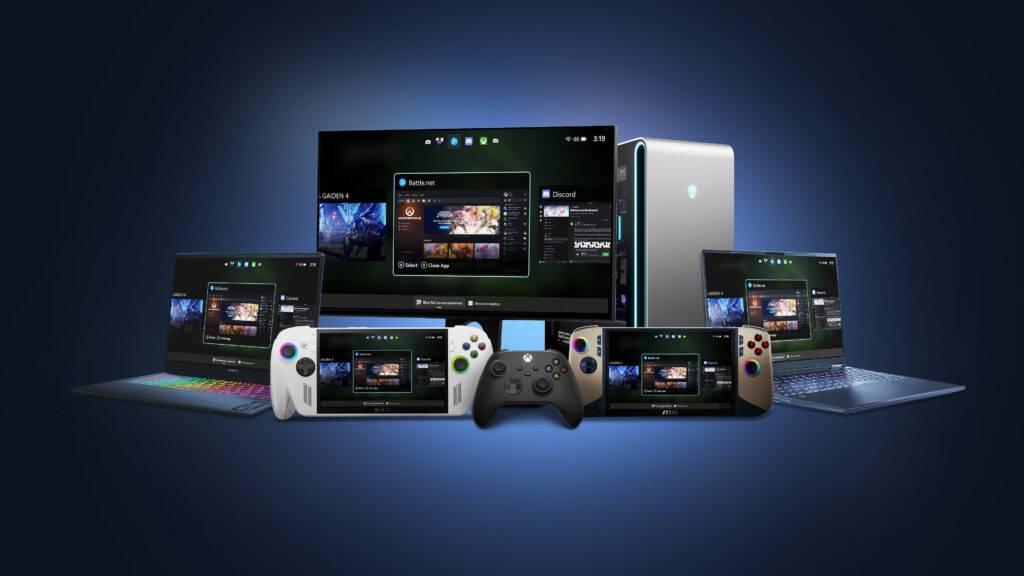
Though the good part about that is all the software enhancements made for this device are coming to all Windows devices (handheld or otherwise) in order to improve the overall gaming experience, something Windows clearly needs in a year where everyone and their mom is starting to wonder if SteamOS isn’t just a better overall experience for gaming. But unfortunately, Microsoft and Xbox can’t leave the story there, because our final “Loss” of the year is……
Loss: Everything ELSE Xbox did this past year

It’s one thing to say, fire a few employees because a company needs to cut back, it’s another to fire so many that it leads to multiple of your exclusive game titles being cancelled because of said layoffs, it’s EVEN WORSE to do all that then raise the prices of your console by $100-$150 , make weird statements that devalue your consoles, and then cause retailers and distributors to just stop stocking your products as a whole. Heck you even try to raise the price of all your games by $10 but customer backlash makes you relent on that for a little longer. That’s the year Xbox has been having and for the life of me I genuinely cannot understand what Microsoft is doing here. Their year with Xbox actually started off strong with some interesting games being teased and their continued march in making gaming more accessible and fun for everyone. Then AI and corporate greed hit and it seems Microsoft decided that cutting thousands of jobs, canceling games that were supposed to be Xbox sellers, shipping more exclusives like Forza and Gears of war to Sony’s PlayStation 5 and just outright treating Xbox like a failed experiment, was the way to go. Why they thought this? Number go up? After all, AI is making Microsoft the most money, and Xbox makes more money from multiplatform games it owns like Call of Duty, so why not turn even the exclusives into PS games? As for the price hike?

Yeah I couldn’t tell you why that is if I tried. But at this point, I don’t blame anyone proclaiming that Xbox as a console business is dead. Could I be wrong? Probably. But right now, I’m not exactly sure as to how Microsoft plans to keep it’s consoles competitive. Yes their future plans have a lot of potential, but that’s Microsoft in a nutshell: always full of potential. Execution is where they tend to lose, and right now, the Xbox brand seems like it is literally getting executed in the other way, where guillotines and bloody deaths are involved.
The “Meh’s”
As we said we did do things a little different this time, and on top of clear wins and losses in tech this past year, we’re also bringing up a few products and implementations that were more hit-or-miss. All three of these are great ideas mind you. They just aren’t exactly as thought out in execution , so we figured they deserve a quick mention. So without further ado….
O’mari

Now if we’re judging based on it’s marketing and brand partnerships, it’s easy to see O’mari as a pretty solid slam dunk in 2025, and while the company has definitely pushed quite a bit in market penetration, its products definitely need some work on the execution front. Whether it’s getting adequate customer support , activating a card remotely, or even minor things like SMS alerts, some aspects of a lot of O’mari’s products are still a little….broken to say the least, and that’s a shame because it definitely is a necessary competitor to the likes of EcoCash. But here’s to hoping said execution improves this year, because O’mari needs that just as much as we do.
iPadOS 26
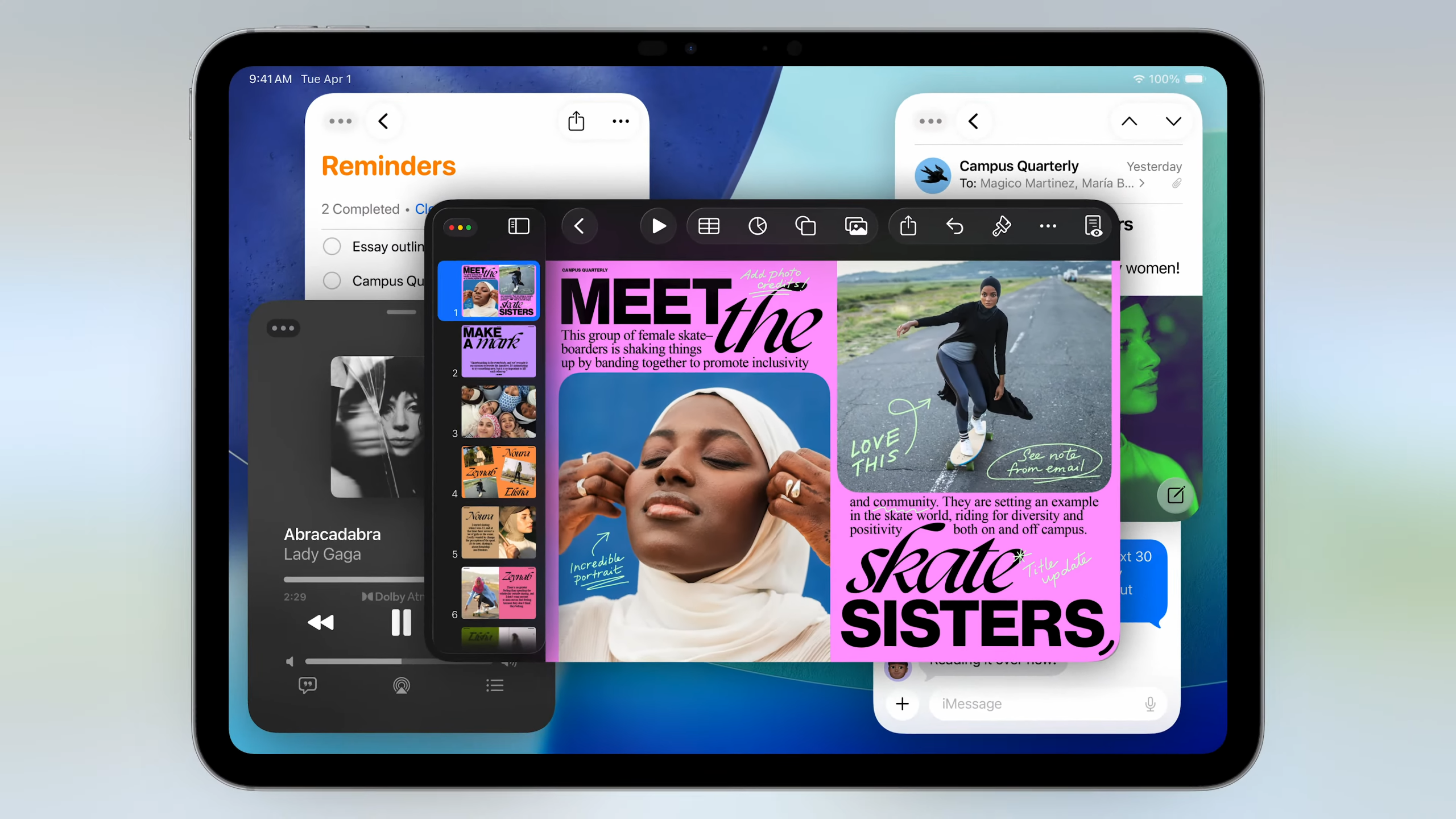
Finally! The iPad became as powerful and capable as a laptop last year with iPadOS 26! Right?!
Wait it didn’t?! Why not?!
Because even though the window management is great, and the files app got a major upgrade, Apple still uses the same tricks to limit certain software capabilities and thus keep this powerful, sleek and awesome machine from ever becoming a Mac? And no matter how much we want it to happen we should just wait for the touchscreen Mac anyway? Darn it! Okay then.
Tap N Go

If our initial reaction video to Tap N Go didn’t give you our thoughts on the company and product, here’s another reminder: we think it’s great that there’s yet another ride-hailing/ E-taxi app in Zim, as the competition just makes it easier for the rest of us to get around cheaper. However Tap N Go is very much a similar to O’mari situation where the traditional marketing and business equipment may seem there, but the digital product is seemingly lacking. In fact it’s probably far worse for Tap N Go considering all the reported app crashes and complaints that seem to still be a thing to this day. That’s a business breaking issue, and the company definitely needs to get that fixed, especially in a time where the new Digital Services Tax might just push more people to Tap N Go due to higher InDrive prices. Will that happen? Well, I guess we’re going to find out.
Related Stories:

Windows’ Secret Comeback Part 2 : RTX Spark, AI Dev Tools, XPS 13 for $600
LL Cool J Voice: Don't Call it a Comeback!!
Read More

OnePlus ISN’T Dying. But it’s definitely changing.
For Better or For Worse If there’s any topic in...
Read More
EcoCloud is the latest embarrassment in a trend of “unfinished” Zimbabwean Software
How are we not past this still?
Read MoreAbout Author