
Why Intel’s new GPUs are important (even for non-gamers)

It’s all about competition…
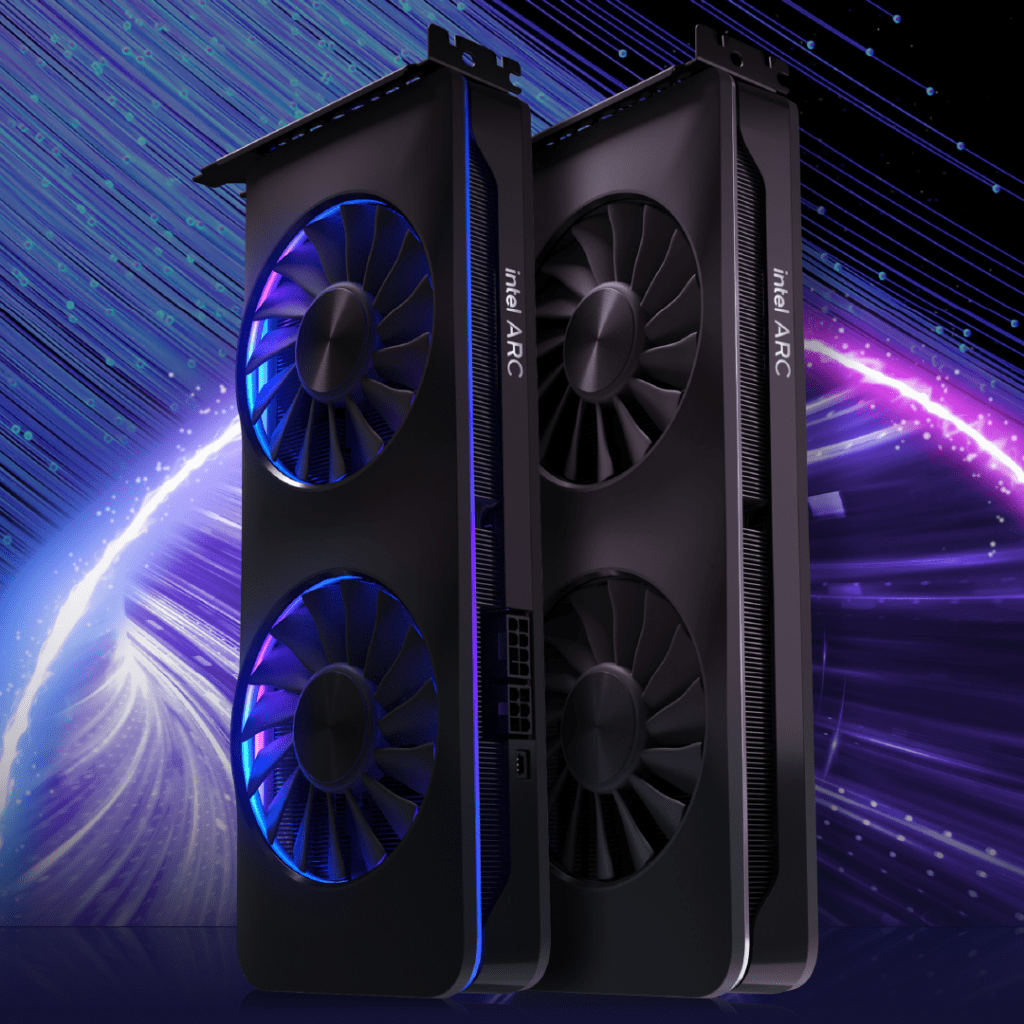
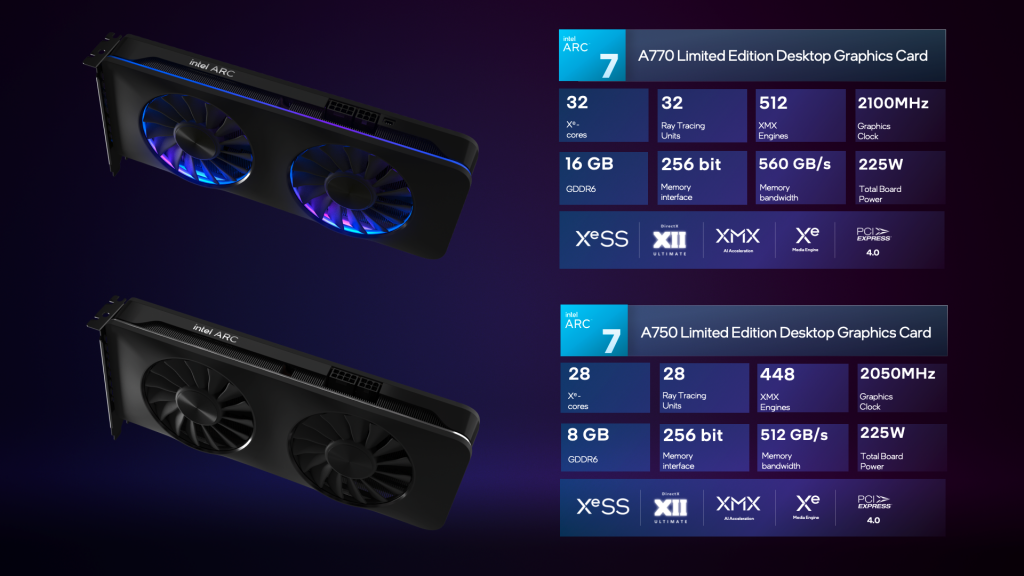
Last week Intel released its ARC A750 and A770 graphics cards. These are new mid-range offerings that are priced extremely competitively, so much so that Intel is calling them the best performing cards for the price. And while they might not completely live up to all of Intel’s claims, early reviews show them holding up really well on the performance front (with some caveats). But these cards are great not just because of performance, but because they might be some of the most important graphics cards to be released in the past few years.
Now full disclosure, most of you probably know that we barely go into the deep end of graphics cards, whether they’re from NVIDIA or AMD. The main reason for this is well, a simple case of knowing your audience. Most of you guys tend not to seem to care about graphics cards. Our own Twitter page posted about NVIDIA’s RTX 4090 last week and it got some of the LOWEST engagement we’ve ever seen. This could just be our fault and a terribly put together post, but even in past we’ve noticed any content we’ve posted on discrete graphics cards barely gets noticed, and that’s not completely unexpected. Outside of hardcore gamers with the money to spend, most Zimbabweans don’t buy graphics cards for a desktop PC, often buying prebuilt , relatively powerful systems ,especially gaming laptops, or not even really being in tune with the graphics card market as a whole. We even did a piece on how ironically, console gaming is considered to be more expensive than PC gaming in Zim, yet that couldn’t be further from the truth anywhere else.
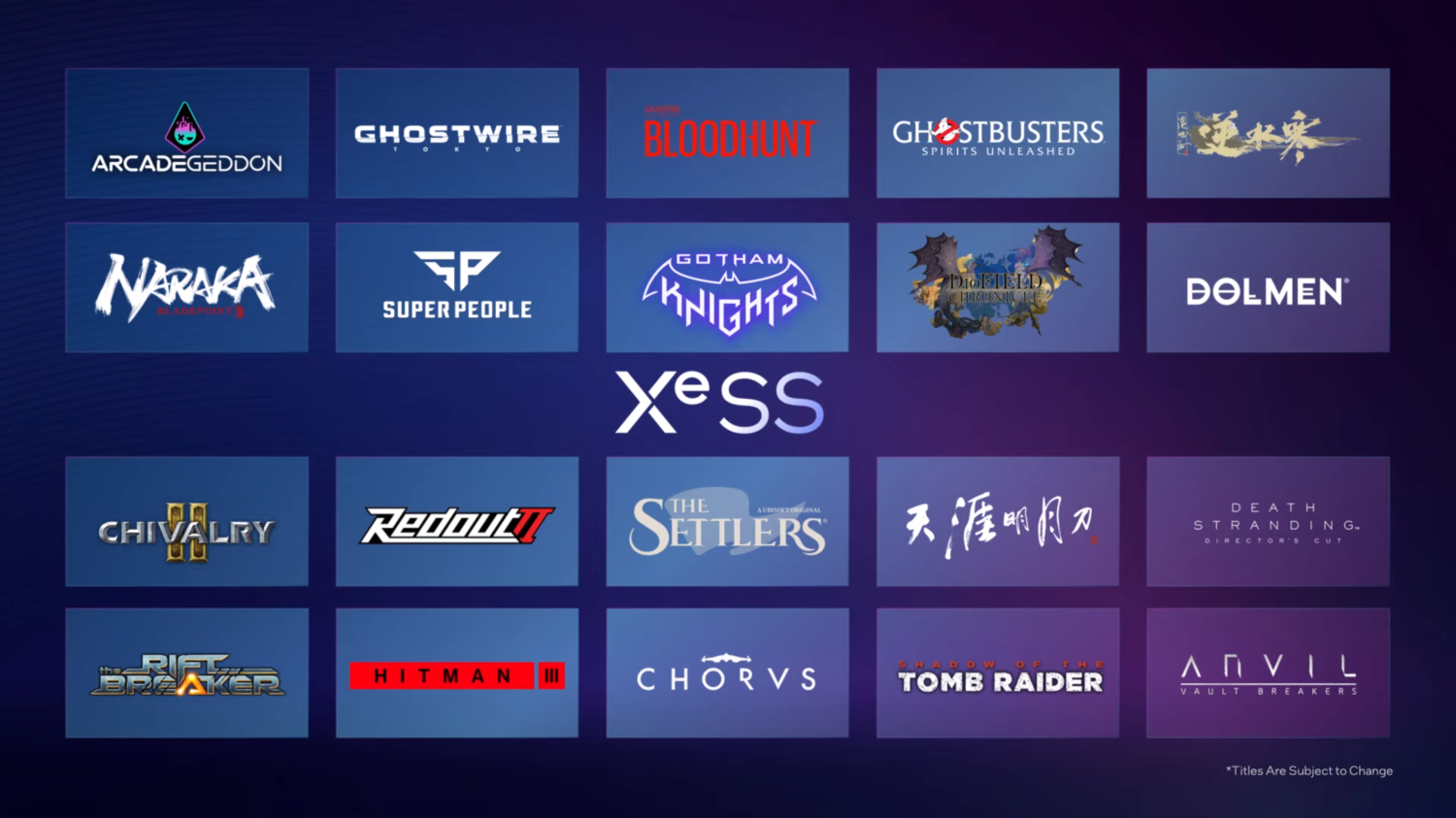
But in this case we had to talk a bit about Intel’s new cards because they represent a bit more than the typical “new cards, more powerful, better gaming and video rendering”. Besides they don’t even truly live up to that claim. Intel’s new cards show the true example of a first generation product. Intel knew they couldn’t beat NVIDIA and AMD at everything, in fact, at most things, so they aimed to beat them at the few areas where they have an advantage. The new cards perform great at modern games that use Windows’ Direct X 12 graphic layer, along with other modern graphic engines, they also compete really well against mid-tier NVIDIA and AMD cards when it comes to specific video encoding or rendering tasks. In fact you can look at the Linus Tech Tips video above to gain a little more insight on just where they win and how. However like any first gen product, they got the general idea right, but a lot of the execution wrong. While Intel’s cards perform great in DX12 games like Fortnite and modern Call of Duty titles, they get put down again when running any game from more than five years ago. In fact, they performed so badly that if you took an NVIDIA graphics cards from 5, even 10 years ago, you would get better performance on that than you do on these cards in certain games. That’s beyond embarrassing. And it comes down to these cards being optimized for DX12 but none of the older Direct X graphic layers, let alone other graphics engines like OpenGL. It’s a sad state to see what’s essentially two impressive products failing like this, but it is in some ways expected , and thankfully, manageable. Firmware updates can likely fix everything wrong with the compatibility issues and I really hope they do.

So why do I think these are some of the most important graphics cards to come out in years? Because they represent the one thing that the graphics card market(and PC graphics in general) have needed for years: competition. NVIDIA literally just released the RTX 4090 from USD $1600. That’s enough to buy an M1 Max 16 Inch MacBook Pro, as well as tons of prebuilt systems with 3080 or 3070 cards, or 2 Microsoft Surface Pro 8s. Simply put: It’s too much. Somehow NVIDIA seems to still be riding the wave from the pandemic when graphics cards basically became gold and their prices soared into completely unreasonable territory. And since NVIDIA still for the most part has an edge in graphics cards, they know they can get away with moves like this. AMD hasn’t been much better as of late too, abandoning some of their more consumer friendly moves in order to press their own advantage when need be.
However Intel’s arrival into this space might help change that. The graphics card duopoly has needed to be challenged for a while now. And while Intel’s first offering isn’t exactly a home run, it’s a respectable attempt that only seems like it can get better from here. That’s if Intel actually commits to this. And at least based of these reviews they have. And ARC is just part of that plan too. Intel’s Xe Graphics for laptops for example have made most 10th-12th Gen laptops with a core i5 and i7 be able to run the same games that an NVIDIA 1060 or 1070 card were needed for in past, which is impressive no matter how u try to spin it. Simply put, Intel’s at the very least making it cheaper and easier to get reliable graphical performance into more devices and form factors, including PCs that aren’t even built for gaming. Sure not everyone wants to play Mortal Kombat on their PC, but video and photo rendering is a common field that everyone from professional creators to anyone who just came from a holiday plays around with, and having graphics that can handle that give Intel a leg up in ways that Apple has emulated with its M-series chips or even AMD with it’s lower end Ryzen processors. It’s why AV1 encoding is big for them too, because even if they can’t appeal to the hardcore video editor, they can help u make adequate videos for a college presentation or YouTube.
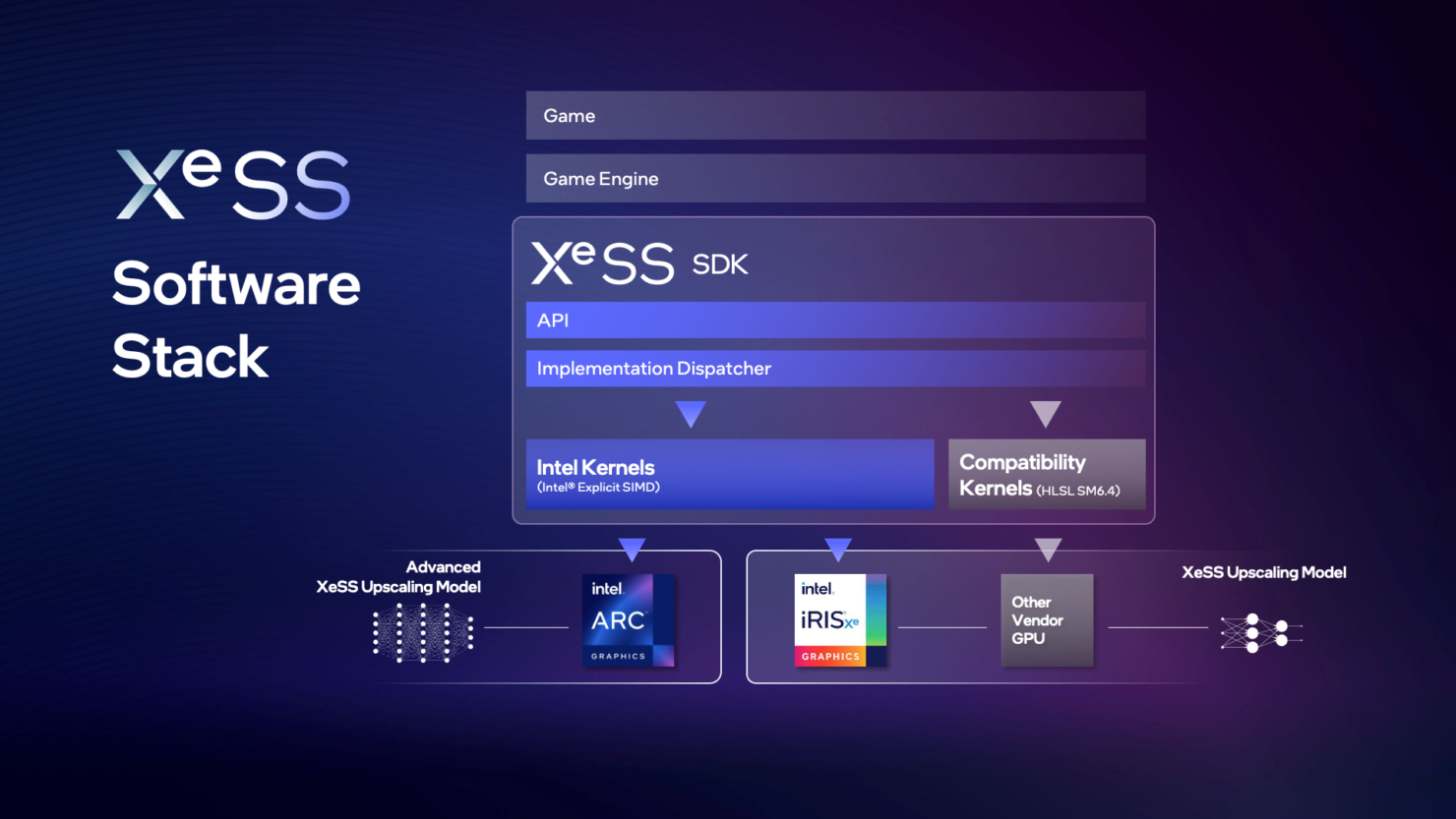
And that’s really where these cards and all of Intel’s efforts in the graphics market matter here. They’re seemingly making efforts to make what used to be a slightly more niche part of computing more widely accessible to pretty much anyone who wants them. And that’s why these cards are important. They definitely have a lot of work needed to be just as good as the competition, but if you have specific use cases (and want to see AMD or NVIDIA lower their prices), you should probably consider these, because if you do chances are you’ll make the whole graphics market better, not just your PC.
Related Stories:
Windows’ Secret Comeback Part 2 : RTX Spark, AI Dev Tools, XPS 13 for $600
LL Cool J Voice: Don't Call it a Comeback!!
Read More


OnePlus ISN’T Dying. But it’s definitely changing.
For Better or For Worse If there’s any topic in...
Read More
EcoCloud is the latest embarrassment in a trend of “unfinished” Zimbabwean Software
How are we not past this still?
Read MoreAbout Author