

Apps Dev Corner Developers/ICT Workers Finance/Fintech internet Lifestyle Money Policy and Regulation Subscriptions
The Digital Services Tax is a direct threat to progress and innovation in Zimbabwe.

Ignorance Is Not Bliss

So the unfortunate thing is it took this long, but Zimbabweans are finally realizing the level of damage and chaos that has now begun due to the recently proposed 2026 tax now coming into effect. Originally brought up by finance minister Mthuli Ncube late last year, the tax puts a 15% tariff on all transactions done to services and products that aren’t in Zimbabwe. This means that everything from your InDrive payment to your AliExpress order and of course your Netflix and Starlink bill are now all costing an extra 15%, on top of any VAT and bank charges you already incurred when paying those. This past week has seen some revisions and amendments to the bill, especially on the AliExpress and Shein part, but the case remains. It’s all incredibly damaging to say the least, and in many ways it only gets worse, because when it comes down to it, this tax isn’t just another quick regulatory swipe at people’s pockets, but an attack on the little progress and innovation that the country has been having in multiple youth-centric industries and sectors as well.
Now, for starters, this article won’t dive too much into an explanation of the Digital Services Withholding Tax, partially because outlets like Zim Price Check have already done a fantastic job at covering it in depth over the past week. It is however, a study of its effects, especially as said past week has already shown immediate ramifications of the tax and how it’s already affecting the everyday Zimbabwean. So, for a quick recap, this tax was introduced as a way for the Zimbabwean government to tax foreign tech or digital service companies (especially offshore ones) that have been gaining a stronger foothold in Zimbabwe as more of us keep using their services. This includes everyone from Microsoft to Netflix to Meta(Facebook, Instagram) and, at first, online stores like Amazon, SHEIN, and AliExpress. Even ride-hailing apps like InDrive are affected. Conceptually, this makes sense, after all, these companies are operating within Zimbabwe, even in a virtual capacity and thus they should be paying tax to the nation’s government to operate. All well and good. Except a lot of these countries already are charging VAT (Value Added Tax), which is the money that they should be sending back to said government. Anyone who’s ever bothered to check the payment details for their Netflix and even Starlink subscription will easily note how both those services note VAT on their generated invoices, which means that people were taxed already. Presumably, this money did make its way back to Zimbabwe, but it seems it wasn’t enough, and thus, on top of that VAT STILL being charged, the 15% tax will be applied to the local banks or payment platforms you use in order to make the payment.

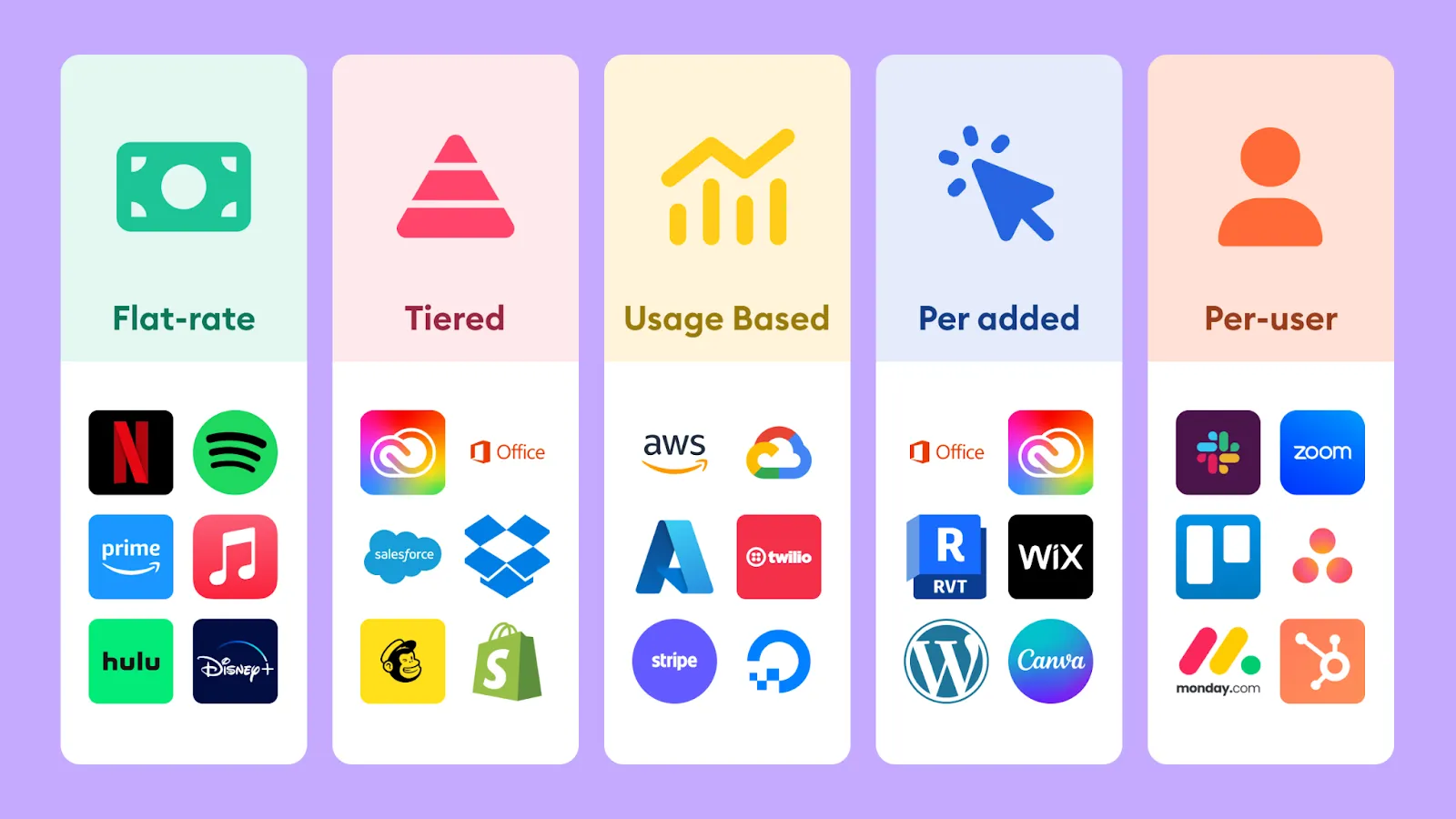
Doesn’t make sense? You’re right to think so, because now it means that anyone paying for an online good that notes VAT is actually paying two taxes, which is insane once you start to add up the amounts, because it makes products move up a whole price bracket. Take Starlink for example. Anyone paying the $30 plan was already charged $4.70 in VAT, which was a 15.5% tax. Now with the added Digital Services Tax, there will be an additional $4.5 added. Making what was a $30.3 MSRP internet plan cost $39.5, almost $10 more! This may seem acceptable to some but to put it clearly, it’s a 30% increase in a bill all because someone wants to double dip into picking money out of your pocket. And yes, ideally the Digital Services Tax should remove this existing VAT tax, but clearly it isn’t, and now everyone, from people paying for Spotify to small businesses paying for Facebook ads have to factor that in their expenses.
Now, perhaps if all this was just an extra tax that adds to people’s spending or rampant consumerism, there would be a point to it. Even from a patriotic and economic perspective, wanting Zimbabweans to spend more money in the country (that eventually makes its way back to the government through taxation), would make sense. Except this new tax isn’t just affecting regular consumer behavior, it’s actively hindering multiple sectors of innovation and growth in the country, including one that the government itself is trying to promote.

We’ll start with a buzzword that even ministers have tried to latch onto: AI. We’ve had everyone from the Minister of ICT to multiple corporates talk about the potential impact and opportunities the field can bring to Zimbabwe. People were excited about the news of Strive Masiyiwa commissioning a data center being built here in Zimbabwe. And yet the government’s next move is making it harder for local AI developers and tech-savvy companies to even build anything AI-centric because it’s now 15-30% more expensive for them. For those who may not be aware, working with AI models requires incredible amounts of compute power and working with the best ones (especially those capable of, for example, making an AI bot that understands Shona and Ndebele), requires using state-of-the-art data centre’s that (newsflash!,) can’t be found in Zimbabwe, or from any other local provider. Everyone is using data centers from the likes of Microsoft, Amazon, and multiple smaller but still offshore players, meaning all of those costs are about to skyrocket for anyone in Zimbabwe who wants to build world-class products in the best way possible. Which is ironic considering these companies even try to cut down some pricing models for developing countries, and yet due to this new tax Zimbabwean AI tech workers will have to pay the same or more than say, they’re American counterparts, who already have much more disposable income GDP-wise, are working with comparable better environments in terms of internet infrastructure and other technical requirements, and can even have a geographical advantage as these AI tools are often built from scratch with certain demographics in mind at first. Multiple local Zimbabweans working in the AI industry have been doing work that’s outright meant to make AI better for locals, more attuned to our languages and culture, and now they have to pay a tax for daring to do that.

But if AI is maybe a little too removed from you, let’s look at any large-scale version of technological services and products, especially those sold by Zimbabwean providers. Those Microsoft Office and cloud services offered by Liquid Telecom? Expect them to go up in price because eventually, Liquid would have to contend with these prices too. The same goes for every website hosting reseller or web developer as now their costs go up too! Whether at a small scale and a large scale as well! Pay for iCloud or Google Drive storage? Forget about using your Zim card for that because that’s getting more expensive too, whether you use it personally or for your small business.
The damage extends beyond tech-centric fields and work, too. Some of you may have heard about companies that spray fields of crops with drones or map out even simulations of crop performance over time. While they are still relatively few, a sizeable chunk of them use cloud services and other subscription based tech to run their operations. What do you think will happen to their pricing when the tax hits them as well? Even local civil engineers now use online collaboration tools to consult across the country and continent with 3D models of their project and drone photos. Tools that again require online payments. Do you think they’ll appreciate their budgets not balancing because of double dipping taxes?
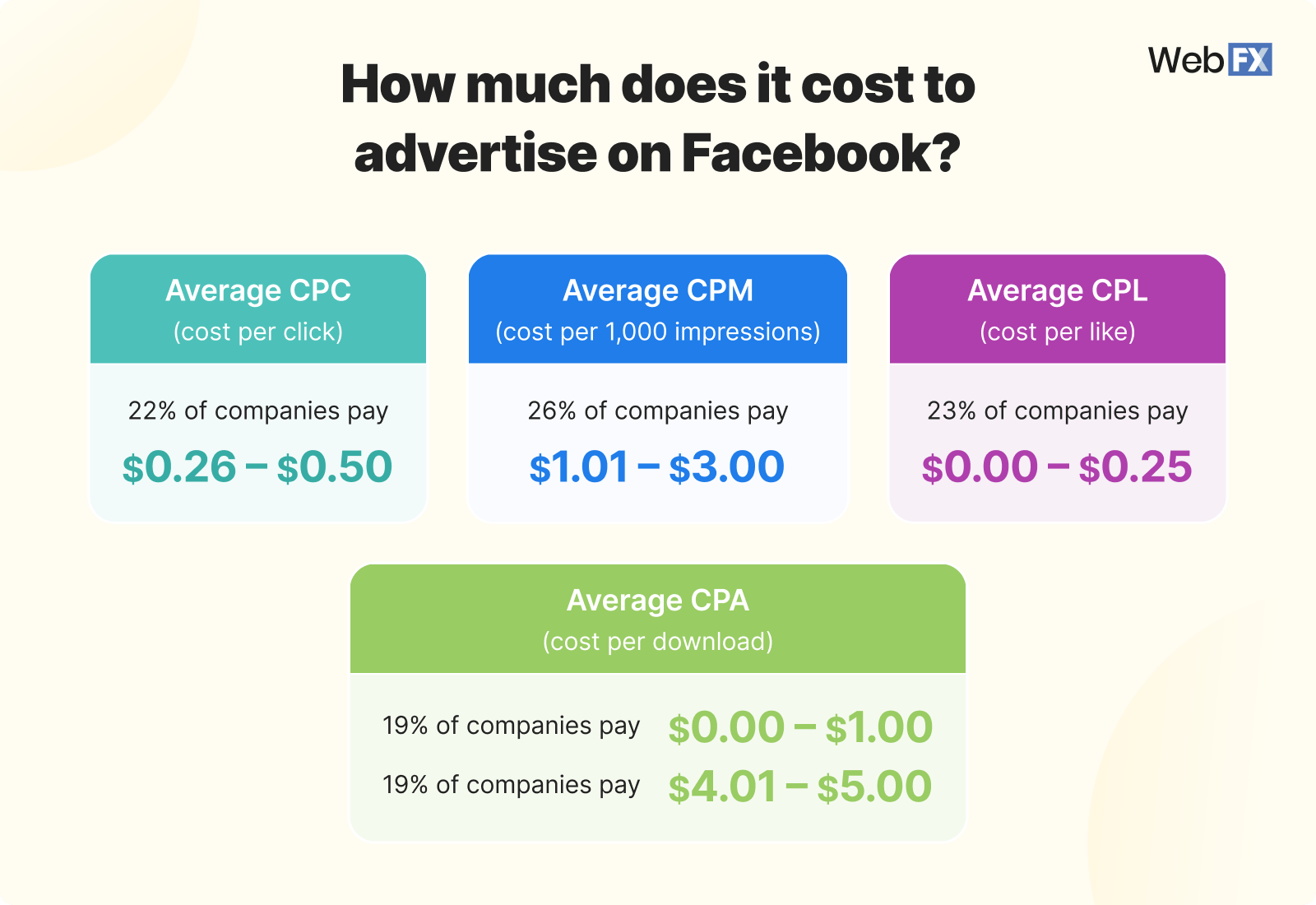
It all comes down to a simple conclusion here: this tax was not thought out. Not from the standpoint of its ramifications and how many burgeoning industries it affects. It goes further than just raising streaming subscriptions and Starlink payments. It limits anyone who relies on Facebook ads to sell their products, and any business that used Google ads to grow both in and out of Zimbabwe. Even the local creative economy will take a hit when simple creator support tools like Substack, Buy Me a Coffee, or Patreon require an extra amount when all someone wanted to do was pay a dollar to support an artist.

Which is ironic considering you have the Minister of ICT, Tatenda Mavetera, talking about negotiating with Meta and Google, so creators in Zimbabwe are billed more. A request that shows a clear misunderstanding of creator economies whilst outright ignoring a bigger, local problem the ministry can actively address. Minister Mavetera should instead be presenting all the effects Nthuli’s tax will have on her sector and working out either special rates for ICT workers, or better yet, reassess the whole tax and have it applied correctly. And for those that are stating that right now the tax doesn’t apply to certain websites or it’s seemingly not as bad at one bank versus another, it’s only a matter of time. This whole approach needs to be properly reworked, as it shows a lack of understanding even what the ministry is taxing sometimes. That’s probably why they moved to tax local financial institutions, rather than the companies where people actually buy these products and services.
Now, will this be done? Honestly, we can’t tell, but the fact that a “mistake” was admitted when it comes to physical goods ( saving the multiple runner businesses of many high profile individuals), shows that the Ministry of Finance and Mthuli Ncube need to take another look at this. It’s common for nations and governments to ask how certain countries end up succeeding with certain industries and exports, or why specific products are more prevalent from one nation versus another. And what’s ironic is this: it all comes down to regulations and finances.

The ecosystems that created Silicon Valley came from markets that weren’t trying to strangle tech companies before they could make a profit, that let businesses like Amazon scale massively without being stopped, and that let different products, services, and whole markets sprout from simple innovation and problem solving. Zimbabwe won’t get there if local developers have to move to South Africa (or get a South African Visa card) to build their products, if digital marketers can’t build million-follower brands because they always have to worry about the costs, if farmers can’t be equipped with more tech because it’s constantly getting more expensive. This tax isn’t just a threat to people’s wallets and their convenience. It’s a mandate to cut progress in multiple industries by half if not addressed properly. And when five years from now another corporate CEO, government official, or even regular Zimbabwean asks “Why don’t we have this locally?”, this tax will be the simple wrench in the machine that hopefully, those vigilant enough can point to. But if they can’t, then the ballad of “Zimbabweans are just behind” will continue, and this tax will be entirely to blame.
Related Stories:
The Digital Services Tax is a direct threat to progress and innovation in Zimbabwe.
Ignorance is not bliss
Read More

The tech winners and losers of 2025, show where we’re going in 2026
Lessons to learn from last year’s MVP’s and biggest losers. ...
Read More
Whoops! ZRP is already condemning websites with its red robot lists!
Well that happened faster than we thought it would..
Read More
To POTRAZ and the Ministry of ICT: Stop trying to swindle people and make real money through investing in ICT.
Newsflash: You run the Ministry, use it to create actual...
Read MoreAbout Author