2024 was the year of the Infrastructure upgrade cycle

This year’s big upgrades in tech change more stuff in the background for big improvements in the foreground
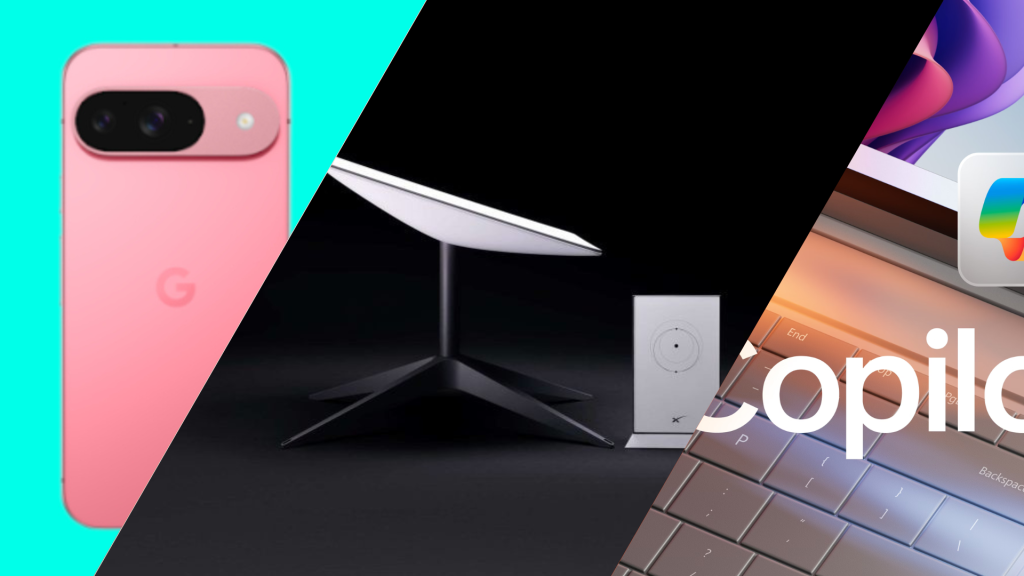
When one upgrades a tech product it’s often because of one of two things, either the current device they use (eg a phone or PC) is too old, or a new version of the device offers enough new features, or one major feature, that makes you think it’s worth dumping your old device and making the upgrade. This is all par for the course for how tech upgrades usually work. But the biggest tech upgrades this year arguably had nothing to do with surface-level feature upgrades, instead, they were based on core technologies that determine how our tech products work, whether that’s big changes in processors for laptops, the way we connect to the internet, or big shifts towards new technologies that may not seem beneficial now, but could pay off in the future.As such, we have an upgrade cycle on our hands that’s less based on features, but on infrastructure, and it’s arguably going to be far more impactful.
Starlink and Zimbabwe
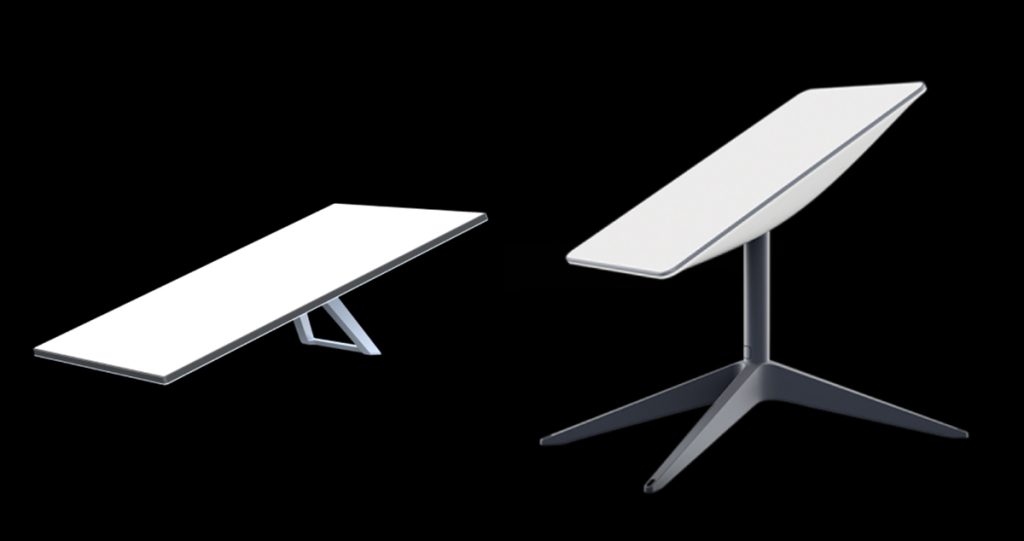
Now look, I’ll be the first to say that most of you are probably sick of hearing about Starlink and it’s move to Zimbabwe. It’s gotten big internet players changing up their pricing, speeds and Fair Use Policy terms while making the average Zimbo understand there’s more ways to get internet than just your cellphone and and ZOL stretching Fibre to your house (seriously who just has Fibre actually close to their house these days).

The even bigger impact Starlink has had however is the one we’ve discussed multiple times here: access. Yes saying a $400 barrier to entry gives more Zimbabweans access to great internet is actually crazy, but it tells you how bad things were when it came to the price-to-performance ratio local players offered in comparison. Now barring a city reaching capacity, everyone can pay a pricey once-off entry fee and about $40 per month for what will be the best internet most Zimbos have ever experienced. Now most other providers are either trying to keep up or change their own business models to survive. Econet Smartbiz is the obvious first culprit to come to mind, regardless of both it’s victory and failings. But it’s still a $1 line that gives unlimited internet for $45 a month. That would have been nearly impossible a year ago. ZOL’s Wibronix has been reduced to $90 a month, half its original price… But that’s honestly still inadequate considering Smartbiz performs similarly in most areas that we have tested both in Harare(using different ZOL lines but still).

Powertel also has a $30 unlimited package though due to being a Powertel product making sure your area is supported is pivotal and there may be a need for a new mifi router as well. Either way, the days of thinking you need hundreds of dollars to gain unlimited internet are seemingly over, and with Econet testing out a $45 unlimited bundle on regular, non-Smartbiz lines it seems that the options may just be expanding. So if you have an extremely expensive internet plan that may not completely be necessary, or have never had unlimited internet, check some of these offerings out. And if you are still willing to put up big bucks for lots of speed, well see how Starlink compares to your current plan.
The good side of the AI Boom

The AI boom has been a sour spot in tech for many people. From analysts and investors doubting its viability, to people being scared about how AI will take their jobs to a lot of the AI products not always being as great as they are expected to be. So it’s natural that a lot of people want to roll their eyes when they hear the phrase AI or how every company wants to tout its own spin on it. But when it comes to the devices we use, it turns out the AI focus the tech industry has is bringing some tangible benefits after all. Take the iPhone 16 and Pixel 9 devices for example. What do both those phones come with? More RAM across the board. The regular iPhone 16 has 8GB of RAM, which is the same as the Pro models and while its processor isn’t quite as powerful, it pretty much makes this phone 85% of the same as the iPhone 16 Pro minus an extra camera(it even plays console games now). That makes it the 16 pretty much the best iPhone to get. And if you can’t get that one might as well get a 13 as it’s almost the same as the 15 while the 15 isn’t enough of a price drop to get the 16. We got into a bit of buying guide mode there, but the basic gist is that we got a much better phone because of, of all things, Apple Intelligence(Apple’s own AI efforts).

Then there’s the Pixel 9 phones, which have many talking points attached to them but them having 12 and 16GB of RAM is probably a good start as well. After all these phones are basically defined by AI and as such, Google punching up their RAM for AI workloads are great. But just like with the iPhone, this means better multitasking, general performance and even smoother updates in the future. It’s likely why the Pixel 9 devices have had better performance records than their earlier counterparts, and it goes beyond the of course upgraded processors as well. And these general RAM Upgrades go beyond smartphones as well. Microsoft’s Windows Copilot+ PCs have basically made it a must for every high-end PC With AI capabilities to start at a minimum of 16GB of RAM, and if you like playing FIFA/EAFC you know why that matters. But it’s gone beyond the Windows world too. Due to most of these machines directly taking on the M Series MacBooks, Apple has upgraded their M4 and still on sale M3 machines to a minimum of 16GB of RAM as well. This makes those $1000 machines a little more of a bargain too, which is a win no matter how you look at it, whether you’ll ever use AI features on Windows and Mac or not. Now, speaking of those Copilot+ machines.
A huge change in Windows PC processors

Copilot+ PCs may be one of our most repeated story points of the year, and that’s for good reason. They gained their major claim to fame by of course matching and beating what Apple was doing with their M3 Macs in both battery and power, but another major point should be noted beyond that: these things have entered a huge third player into the Windows processor market which used to be dominated by Intel and AMD, along with being a fifth or sixth one in a wider market that includes Apple’s M-series processors, and custom, ARM-based processors from Amazon, Google and even Microsoft themselves.
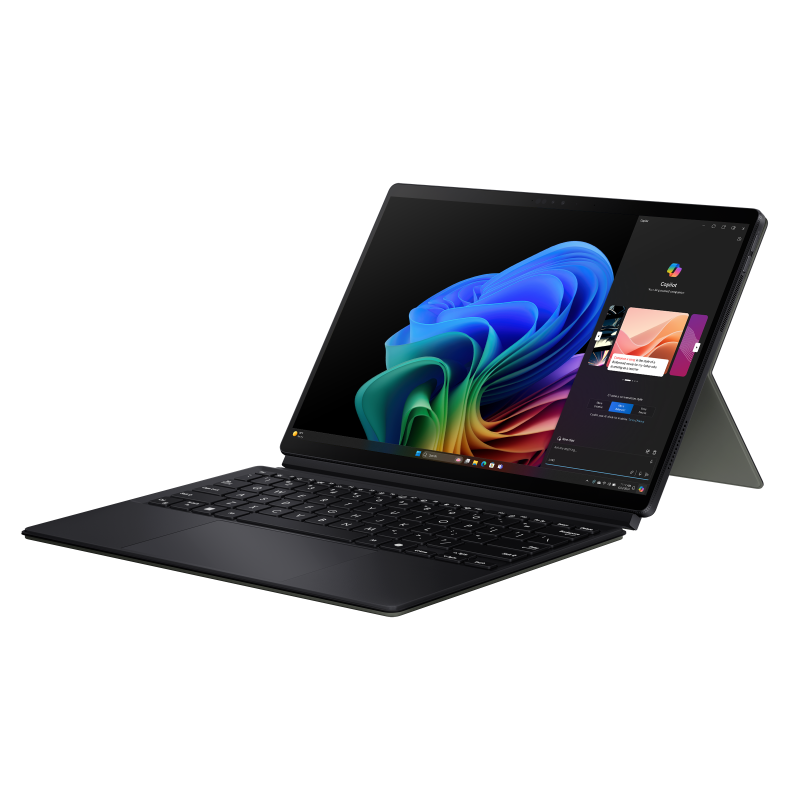
What all this means however is a huge shift in the Windows and PC processor market, as now you may have to pay more attention to the machine’s processor than before as it may have better battery and lower in price than an Intel and AMD model, but may not be able to run specific company software as support for these machines keeps expanding just like Apple’s own machines had to when they first moved from Intel. More importantly, though, it makes Intel and AMD no longer the basis for which processors go into a PC. This makes the future of PCs a little concerning (especially with Intel’s CEO struggles), but it’s likely to lead to more efficient, faster, and even cheaper machines across the board. And who can hate that?
So as we go into 2025, remember some of these big changes, as after all they likely will change how you use your device more than just a single camera or a new screen for example. But since they’re a bit more under the hood, you will have to keep your eyes open. So make sure to get the best out of your tech in your next upgrade cycle.
Related Stories:
Windows’ Secret Comeback Part 2 : RTX Spark, AI Dev Tools, XPS 13 for $600
LL Cool J Voice: Don't Call it a Comeback!!
Read More


OnePlus ISN’T Dying. But it’s definitely changing.
For Better or For Worse If there’s any topic in...
Read More
EcoCloud is the latest embarrassment in a trend of “unfinished” Zimbabwean Software
How are we not past this still?
Read MoreAbout Author