The Ecosystem is the Most Important Smartphone Feature Now

It’s not just about the phone, it’s about what works with the phone….
 If you’re a fan of a lot of mainstream smartphone brands, especially the likes of Samsung and Apple, then chances are the past year or two has kind of sucked for you, as both the aforementioned companies literally rehashed designs from yesteryear and basically added features that are insignificant that you either don’t notice them at all or don’t get why they aren’t on the previous year’s phones as well (looking at you photographic styles 2.0). But when it specifically comes to the likes of Apple and Samsung, it’s clear to see that these companies no longer really focus on individual smartphone features like a groundbreaking new camera, radical redesign or even a significantly different battery. And that’s because these companies know they have the one phone feature that truly counts: they have fully built and powerful ecosystems, and that’s enough to keep most smartphone customers these days.
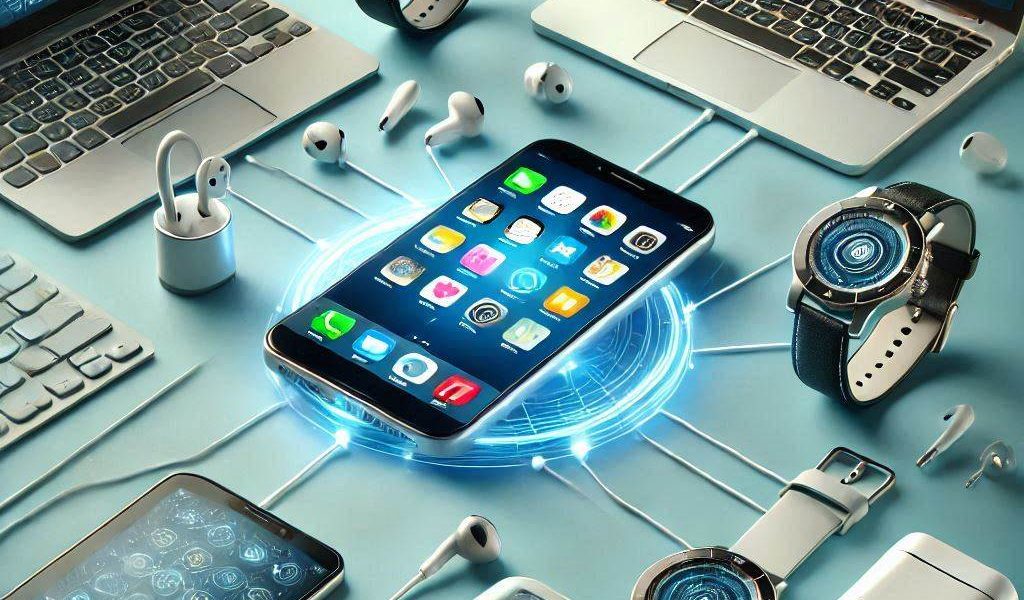
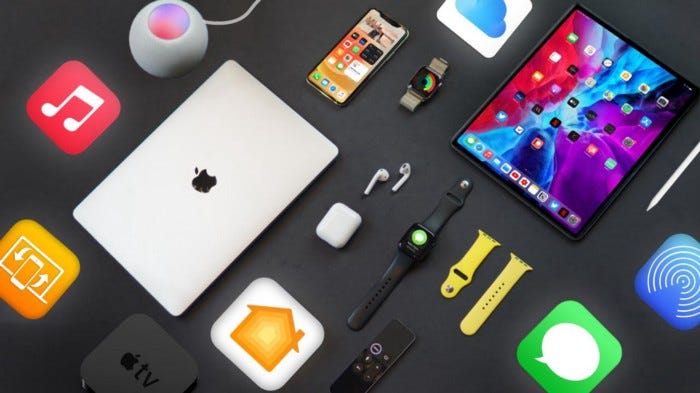 Now chances are if you’re reading this you know what a tech company ecosystem is, but just for the rest of us who fell behind in class, it’s essentially a combined group of products and services usually made by one company that work together in order to a) improve the user experience, utility and convenience for the customer, but also b) to keep them loyal to that company’s products and thus keep giving said company their money. And over the years it’s gone from being specifically Apple’s secret weapon in remaining relevant (despite what some would call diminishing returns on their smartphones), to being the number one feature that Samsung, Google, and more uniquely the likes of Huawei and Xiaomi are using to attract and keep new customers in a world where a lot of phones start to look and feel the same.

Samsung is the easiest company to come to mind because we’ll, whether you like it or not this is one of those times where the “copied Apple’s homework” label sticks, and we’ll for good reason. Depending on who you ask, Apple last truly innovated with the iPhone 11 line in 2019, and every single phone after that has been tweaks and improvements on that base phone while others reinvented and evolved beyond what they offered in 2019 (just look at the Galaxy s10 vs the S24 for example). But despite that lack of innovation and a slow catch-up strategy, Apple’s iPhone business has continued booming, ironically getting higher sales per year especially if we’re looking at the last three years or so. And while people can list a number of personal opinions on this, from Apple’s prestige making “sheep” out of people to genuinely admitting that they make phones that nail the fundamentals(screen, camera, software), albeit being very boring. But another key reason Apple’s devices keep doing well is because of their ecosystem, which might as well be called THE ECOSYSTEM because not only did Apple pretty much introduce this concept to the smartphone industry but they basically mastered it to a fault. Every Apple device today is designed to make you want the next one, because it unlocks more features for it. Do you have an iPhone? Airpods will give you the best wireless earphone experience. Got a Mac? You can use your iPad as a touchscreen for it. Want to keep track of your kids? Get Airtags and put them in their school bags while tracking them on your Apple watch. It can all sound extra to someone on the outside, but for an Apple user these things become essential once you get a taste of them. Let alone in places like the US where apps like FaceTime and iMessage have become such a fixture in daily life kids with Android phones get bullied over it.

Apple’s ecosystem has been their strongest marketing and customer loyalty tool for years now, and Samsung decided it wants a piece of that pie too. And so it made it’s own ecosystem, which while not as infamous as Apple’s and thankfully more open, it’s gained its fair share of fans and wins over the years as well. Devices like the Galaxy Watch series actually predate Apple’s offerings while the Galaxy Buds offer arguably the best mainstream wireless earbuds in the market. And this is all bolstered by a healthy offering of pretty great Windows PCs, tablets at multiple price points and Samsung’s extended catalog of home appliances like TVs, fridges and so on. Simply put, Samsung saw what Apple was doing and decided that they could do it better, with more devices, at more varied price points. You can build a galaxy ecosystem with devices that cost $200-$300 each. It probably wouldn’t be the best devices you could buy (especially in the PC area) but it can still be done. And that’s pretty cool. Unfortunately, Samsung clearly saw this as a job well done and decided to get complacent.

And to be fair, its not like Samsung is the only company doing this. For better or worse Google has a full Pixel ecosystem made up of phones, watches, buds, a not-so-great tablet and even their smart home devices. But because of where Pixel phones are in marketshare, Google still feels a need to constantly improve their Pixel devices and thus almost every year of those devices has felt worth looking at or investing in somehow. And Google’s ecosystem is focused around the theme of AI devices (which yes Samsung is trying to copy now) but at least in the Pixel world, you can easily get why and how each new device adds to that mission.
Ecosystem, China Style.

But while Samsung and others are definitely following Apple’s lead on how to make an ecosystem, it could be argued their contemporaries in China have them beat in just how much ecosystems integrate together. The easiest example of this to bring up is Huawei, who launched the original iteration of their HarmonyOS platform in 2021 to… Mixed reception to say the least. After all despite being touted as an alternative to Android and even Windows the company’s new operating system was a lot of deeply integrated customizations to the existing Android Operating System as well as some cool Windows apps that made everything work well together. This included not just phones, tablets, earbuds and computers, but also TVs, fridges, other home appliances like humidifiers and smart cameras, and even cars. While it had a slow start, the company refined this ecosystem and built core technologies around it, ones that weren’t necessarily dependent on Android, which is why their latest OS, HarmonyOS NEXT basically does away with Android as a whole, bringing in its own library of apps, its own programming language, and basically establishing itself as a third mobile alternative in a world dominated by Apple and Android.
This may seem like a bad move in the eyes of most, but due to Huawei being so dominant in China, while building strong businesses out of the likes of home appliances and even networking tech, HarmonyOS NEXT has essentially gained legitimacy through what could be called one of the most complete and Powerful ecosystems in the world. In fact, if Huawei’s aspirations continue, HarmonyOS or at least HarmonyOS compatibility could become a sort of dominant operating system in China itself, with device makers of third-party earbuds, TVs, and cars all lining up to make products compatible with its ecosystem. This is what has led a more globally accessible competitor, Xiaomi to begin its own lofty ecosystem endeavors.

HyperOS was a huge shift in how Xiaomi builds software for all its phones and accessories, along with laptops and devices like TVs in a move that is clearly to combat and outright copy what Huawei is doing. Right down to some of the interface design for some things, which of course is frowned upon, but a) not as much in China and b)most of us will never experience HarmonyOS outside of China anyway, so Xiaomi figures it might as bring that experience to you in it’s own coat of paint. And for Xiaomi it’s a two-fold approach.

In China it will outright take on Huawei in as many areas as possible (they just launched some electric sports cars after all), while in Europe, Africa, and the rest of the world it can lure in people the same way Apple does by proposing products that all work better together. It’s only been about a year since HyperOS has been in full swing, and honestly, it seems in areas like Europe former Huawei sub-brand Honor is giving them some trouble by expanding an ecosystem faster (likely by using leftover Huawei tech). As such, Xiaomi’s ecosystem success is yet to be seen, but still undeniable in its scale.
As such, it’s becoming clear that the most important choice to make when buying a smartphone is less the smartphone itself but the other tech devices it plays well with which you (maybe) already own. Is this capitalism at its finest and a trick for companies to make us give them more money? Of course, it is. But for all the cons ecosystems bring, there’s of course the myriad of pros that consumers would never want to let go of. Just make an iPhone user live without AirDrop and see what happens. And while some ecosystems do keep messing up individual smartphone innovations, it’s clear they don’t have to as Huawei and Xiaomi have created some of the most groundbreaking smartphones of the year despite having ecosystems arguably more advanced than anything Apple and Samsung are doing. As such, if the whole ecosystem truly innovated, the phones tend to be innovative as well. It all feeds into each other, whether it’s focused on user lock-in like Apple’s ecosystem, maximum deployment like Samsung’s and Xiaomi, AI like Google’s ecosystem, or something bonkers like what Huawei is doing, here’s to hoping that the ecosystems we do encounter more of in Zim grant us more of the steps forward in tech that we need, rather than the steps back.
Related Stories:

Windows’ Secret Comeback Part 2 : RTX Spark, AI Dev Tools, XPS 13 for $600
LL Cool J Voice: Don't Call it a Comeback!!
Read More


OnePlus ISN’T Dying. But it’s definitely changing.
For Better or For Worse If there’s any topic in...
Read More
EcoCloud is the latest embarrassment in a trend of “unfinished” Zimbabwean Software
How are we not past this still?
Read MoreAbout Author