Microsoft has just revolutionized Windows PCs and possibly beaten the M3 MacBook

But their dumb AI branding won’t let most people know that.

About two weeks ago Microsoft held an event in collaboration with multiple PC manufacturers like HP and more importantly, Qualcomm, the processor maker for most high-end Android phones. This event for many seemed like a typical Surface event for new Microsoft Surface devices, but it became very clear that this was a much more important event, as Microsoft unveiled a whole new class of Windows PCs, which, powered by Qualcomm’s processors, could outperform M-series MacBooks at the powered and battery life they’ve boasted for so long. Simply put, Microsoft and others are gunning for the one big advantage MacBooks have had for close to half a decade now, while revolutionising Windows and Windows machines in the process. So why didn’t you know about them before now? Well because Microsoft named them Copilot + PCs, and arguably hid everything great about them behind dumb AI marketing and use cases.

Now let’s go back to what we’ve said is the most important thing about machines: they’re the first PCs that seem to genuinely match and beat some of Apple’s M3 Macs, and of course, any other M-series machine that came before them. How you may ask? Well, let’s start with what actually made Apple’s M-series machines a big deal ever since the M1 MacBook Air and MacBook Pro in 2020. Simply put, Apple’s machines nailed what are arguably the 2 most important things in a laptop: amazing battery life paired with amazing power. After all you buy a laptop in order to work on the go and work as fast or as efficiently as you need to, and everything else is kind of an extra, be that a class-leading screen, touch/ tablet capabilities, gaming performance, etc. And many Windows machines did actually maintain these advantages, but because Apple’s machines nailed these basics, the M-series machines started dominating the laptop field for a while. Here came some laptops that claimed you could work for 8-10 hours, and the funny thing was you actually could. Flip that to something like watching videos or word processing and you could literally have 20 hours of battery life. Apple’s switch to using Arm-based processors, similar to the ones found in iPhones made Macs suddenly become the benchmark for battery life on a mobile computer, and they weren’t bad at power either, often being near the top of their product class or outright beating what Intel and AMD had to offer. Both those later companies and laptop manufacturers of course retaliated, with AMD machines getting better battery life and Intel ones mostly getting more powerful, but neither could really match the balance Apple had found with its processors, all while Microsoft and Qualcomm fiddled around with experimental projects like the Surface Pro X and Pro 9 5G which had Qualcomm’s earlier processor attempts, but both the processors and Windows were not ready for prime time yet.
That all finally seems to have changed, as these new Copilot + PCs (gosh I hate this name), seem to be a combination of the best of both from Microsoft and Qualcomm. So much so that almost every major Windows PC maker has joined in the fray, including HP, Lenovo, Samsung, Dell, Asus, and more. All these companies are boasting machines with crazy battery life projections yes, but also benchmark scores, and live demos that show them actually performing on part or better than not just the typical, Intel/AMD based machines, but also Apple’s M-series Macs.

Microsoft themselves also mentioned a new translation layer and compiler called Prism, essentially low-level software from Windows that will help convert old Windows programs made to run on Intel/AMD machines, to run on Qualcomm’s and other Arm processors just as well, similar to what Apple did with its own Rosetta 2 translation layer. Again this looks promising, though of course it would have to be tested in practice to see if it really makes these new PCs worth dumping your existing core i7 machine.
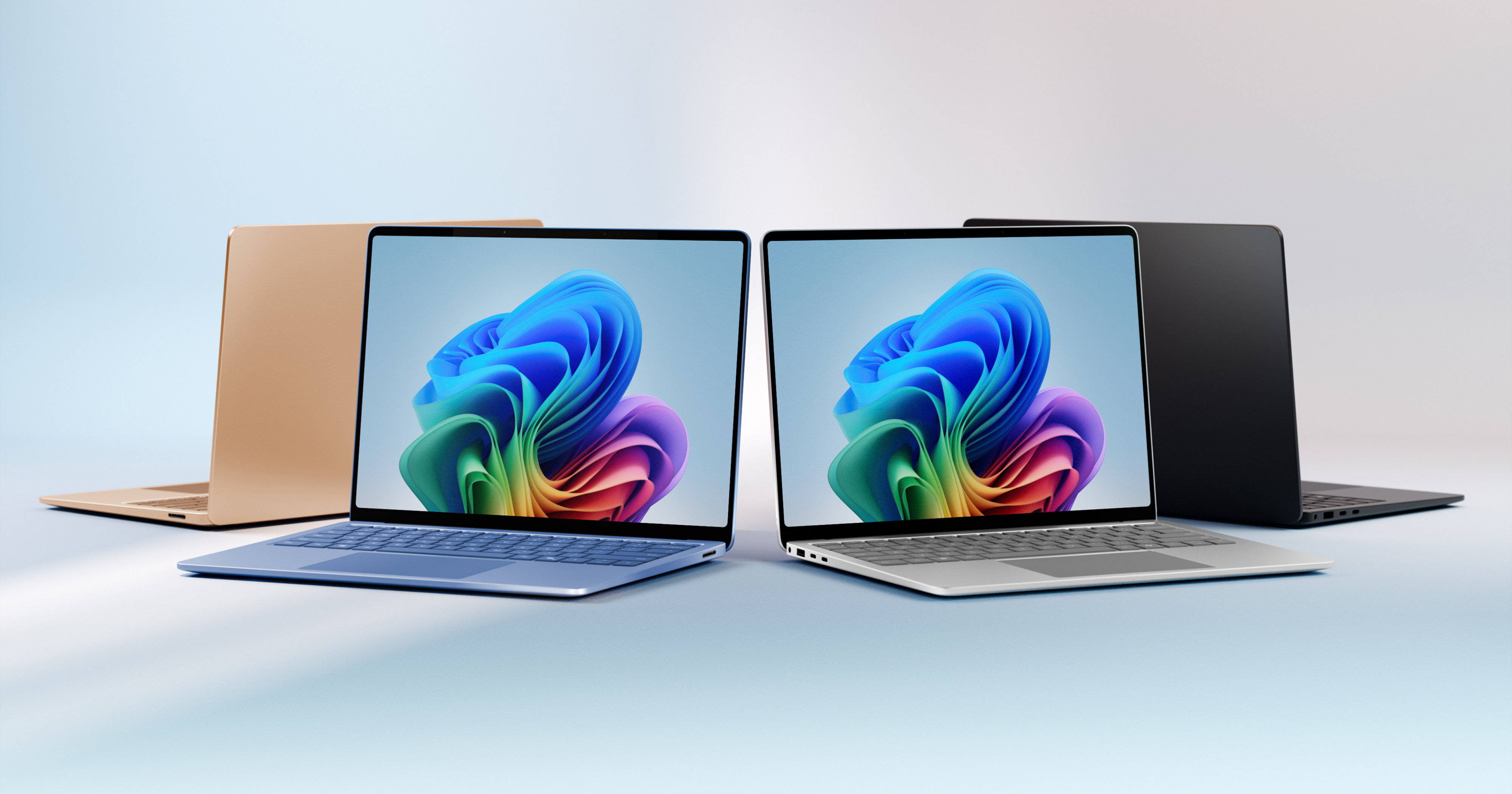
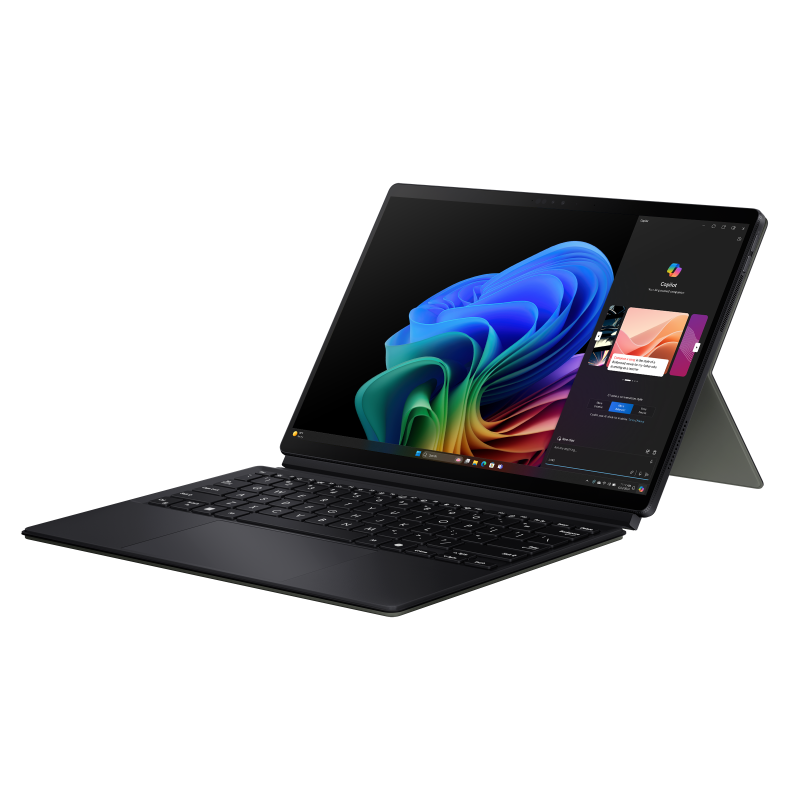
But now that we’ve gotten over the big concerns with Windows and Arm processors, let’s talk about the actual hardware. Starting with Microsoft’s offerings, the Surface Laptop 7 and Surface Pro 11. Microsoft didn’t actually say the numbers on stage but if you dig into the specs you’ll find them. Both of these offer a pretty significant step up over their predecessors, especially the Laptop 5 and Surface Pro 9. Both start with 16GB of RAM, configurable up to 64GB, and have configurations for Snapdragon’s X Plus or X Elite processors. The Surface Pro also boasts an OLED screen at 120Hz this year, though only the X elite version gives that, while the Surface Laptop 7 has an all-new, thin-bezel design, with an improved keyboard deck and rounded corners. This actually makes it the more compelling buy for me, as I’ve always thought the Surface Laptop family was being let down by its design stacked when up against the Dell XPS 13 or M2 MacBook Air and up.

Both these machines are specifically aimed at the Air, with Microsoft outright showing every Stat they beat it in from CPU benchmarks to battery life. They interestingly didn’t show too many graphical performance benchmarks, besides Cinebench because Apple’s M3 machines might have a slight leg up here, though with Windows still being the dominant platform for programs like games and 3D modeling software, this may be a bit of a null point for many. Still it should be noted that these new processors and PCs probably won’t arrive and just beat Apple’s processors at everything, just like Apple’s M series processors haven’t beaten Intel and AMD machines at everything. There are obviously benefits to a company having been making something for a long time, and even here it shows. Back to the Surface machines however, a key aspect that should also be noted is like the M-series Macs their RAM won’t be upgradeable, hence why they probably start at 16GB to not piss anyone off. Their SSDs however, will be upgradeable, with the Surface Pro showing off its easy upgrade process of swapping out an SSD basically like it’s a memory card. This is again, clearly aimed at how M-series machines will literally leave you with whatever storage and RAM you choose when buying it, hence why these new machines already promise to offer more flexibility and RAM than Apple right from the start.
But wait, there’s more!

If the Surface devices aren’t your cup of tea however, all the other PC manufacturers we mentioned are more than happy to step in and show you their alternatives instead. Literally everyone from HP to Samsung has an offering, and while we’ll link a better list from The Verge right here, we’ll take note of some standout models that we liked. Lenovo’s Slim 7x AI (again, terrible names) boasts a pretty compelling alternative to the Surface Laptop, offering basically the exact same configurations and technically being a little cheaper than its X Elite version, though unfortunately only offering that one processor and not a Snapdragon X Pro version that could have been much cheaper.

In fact, surprisingly it’s the Surface devices that are the cheapest here, which is actually the inverse of how these things usually go. That aside, Dell’s Upcoming XPS 13 is arguably the best looking of all these machines, and boasts a new technology, as it will have dual OLED screen tech that’s similar to Apple’s tandem OLED tech in the M4 iPad Pro. I personally still hate how it has no headphone jack, but honestly, neither does the new Surface Pro so we’ll just chalk them up as beautiful, capable machines with dumb port decisions.

Its Snapdragon X Plus Inspiron 14 Plus is also fairly priced albeit not as nice as XPS, but it has more ports and a headphone jack so pick your battles I guess. Finally, Samsung’s Galaxy Book4 Edge is likely to be another sleeper hit as Samsung machines have been for a while now, boasting maybe the best non-OLED screen here. My only disappointment is this device is like the normal Galaxy Book 4, and not the Pro 360 convertible model. In fact, none of these machines are particularly trying something new or extra with these new processors, which honestly allow the opportunity for that. But perhaps, like Apple did with the M1 MacBook Air, all these companies want to focus on capturing existing customers first, before getting more creative. I personally look forward to the more experimental stage, as right now only Asus’ ProArt PZ13 has any flair to it. And most of that comes from being a slightly different Surface Pro.
The dumb AI branding ruins everything
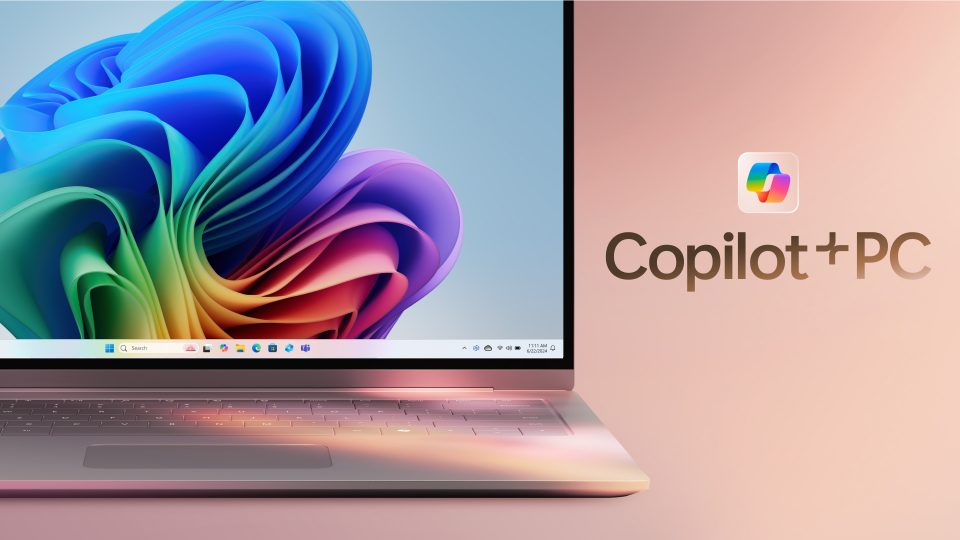
Now you’ll notice that for a bunch of machines tied to Microsoft’s Copilot AI branding(hence the name Copilot +) , we haven’t really mentioned anything to do with AI when talking about them so far. And that’s because, in my opinion, while a great addition to these machines, it distracts from what’s best about them. Microsoft has claimed that these are the best PCs for on-board AI operations, and at the time it said it was right. These machines do seem like some of the best machines to use when u want to run or test and work with on-device AI models. But that may be a little more technical, so let’s talk about the big thing Microsoft pushed in AI Recall, a feature that allows your machine to take screenshots and learn everything you do so you can better ask it to retrieve, work on, and process that information.

It’s basically one step closer to giving your PC its own JARVIS, Iron Man’s AI assistant. However due to its security vulnerabilities, it may end up more of a black mark than a bright spot on these new machines. But if that wasn’t bad enough, here’s the real big messy part about Copilot + PCs: they don’t necessarily mean Arm-powered Windows machines. The criteria for Copilot + PC is centered around being able to handle 4O TOPS, aka 40 Trillion AI Operations Per Second, which anyone from Intel to even the iPad can do, meaning this weird AI branding won’t necessarily guarantee class-leading performance and battery life. Yes, Microsoft put a battery life requirement, but this is like Intel Evo or Ultrabook branding, where a few machines will be best-in-class examples of what the brand should mean, while a bunch more will likely mess it all up. And again, it’s not like these machines needed AI-based branding to be good. They just need great performance and battery. But Microsoft likely did this to a) keep riding the AI hype train that’s made a bunch more money over the past year and b) because they probably didn’t want their whole marketing push to be “Hey we finally caught up to Apple now”. Both are understandable reasons, but they just sully some great products.
Is This Enough?

So with such a huge showing, an extra week of explaining all these machines at Microsoft’s build conference, and seemingly more support than both Microsoft and Qualcomm have had before when it comes to ARM PCs, will this really be enough to bring a new form of processor to Windows, revolutionize the PC space as we know it, beat the M-series Mac line and of course, add a whole bunch of new sales for all of these manufacturers? Only time can tell. After all these machines have to be tested as extensively as the M1 Macs were when they first arrived. Everything from basic programs to games to the most obscure and custom programs will have to be thrown at them, and that will just be to see if they’re worth buying. On top of that we’ll all have to see how they compare to Macs yes, but also how they evolve from this point onwards. Microsoft mentioned the MacBook Air for a reason, and that’s because these machines aren’t meant to take on the MacBook Pros, Dell XPS 15s, gaming machines, or other pro-level laptops. Those will come later, maybe just from Qualcomm themselves, or from Qualcomm in conjunction with traditional GPU manufacturers like NVIDIA.

In fact NVIDIA themselves seems to be making a deal with Mediatek to make these kinds of machines already, meaning ARM-based Windows machines seem like the next frontier in Windows, and Intel and AMD are going to have to fight really hard to maintain a foothold in the laptop and mobile processor markets. And honestly, we could use more of that kind of competition. Let Intel and AMD improve their own processors to match these guys. Intel certainly thinks its new Lunar Lake processors will match the X Elite in battery life, meaning they clearly want to keep up the fight. And if they can’t? Well that’s what price drops and other forms of competing are for. Simply put, if these new machines are as good as they say, the whole Windows market, and the laptop and processor markets, are about to get a lot better. We might not see the changes instantly, but we’ll definitely see the trickle down to help all of us. So yeah, these are great machines with dumb, confusing branding behind them, but if they can do even 60% of what they claim to do, they’re about to be the most important PCs on earth.
Related Stories:
Windows’ Secret Comeback Part 2 : RTX Spark, AI Dev Tools, XPS 13 for $600
LL Cool J Voice: Don't Call it a Comeback!!
Read More


The MacBook Neo is going to be a hit,(mostly) because Windows has dropped the ball dismally as of late.
Almost like taking Candy from a baby...
Read More
2024 was the year of the Infrastructure upgrade cycle
This year's big upgrades in tech change more stuff in...
Read MoreAbout Author