
Mobile Network Operators may need to watch out as TelOne and ZOL take aim to take their customers

This is likely good for us consumers.

What we have called the datapocalypse has pretty much put everyone in Zimbabwe on an internet fast, with most of us only connecting when we completely need to and using the web in the most stringent ways possible. It’s a sad state to be in, and with reports from POTRAZ even confirming further drops in internet usage, any Zimbabwean who needs constant internet usage has found some version of a coping plan to make up for the new status quo, and for many those coping mechanisms may come in the form of ZOL and now TelOne’s LTE based connection plans.

Let’s start this off with ZOL’s Wibroniks based LTE line. We’re actually testing this product for a review (which we should have by next week) and we’re well aware that this was ZOL totally taking a shot at the mobile network operators Econet, Telecel and Netone’s mobile data packages. Mobile data bundles have essentially sustained most of us for almost a decade now and many of us were comfortable not even having an ADSL or Fibre connection in our homes if we knew how to effectively utilise our data bundles in all the right ways. However , that’s all fallen apart now, and in fact even normal mobile data usage for light browsing and social media has pretty much been abandoned by many as well. Hence, for those customers and our aforementioned first case who even used mobile hotspots for their PCs at home , ZOL’s LTE line is essentially the Holy Grail of workarounds to their problem. The uptake of this product has been quite high as well and it’s for obvious reasons: ZOL’s rates make Econet look like idiots. Even now, Econet’s new rates put 1.2GB of data at RTGS $35 usable for a day while $32 RTGS will get you 2GB of monthly data from ZOL instead. ZOL knows it likely won’t completely take on Econet’s vast subscriber market, instead focusing on what were essentially data “power users” on Econet’s network who require a lot more data than just enough to scroll through a few social media posts. And even if that’s not the case anyone who needs a reliable enough internet connection for home and (admittedly more limited) mobile use should definitely just consider getting a ZOL line anyway and having that take care of those work emails or cloud stored documents some of you may need to deal with, alongside your typical browsing needs , though of course you would need to lay off the streaming. This is honestly a cheaper and more sustainable solution for anyone who just wants reliable and reasonable internet access, and it’s easy to sign up for too based on our experience.
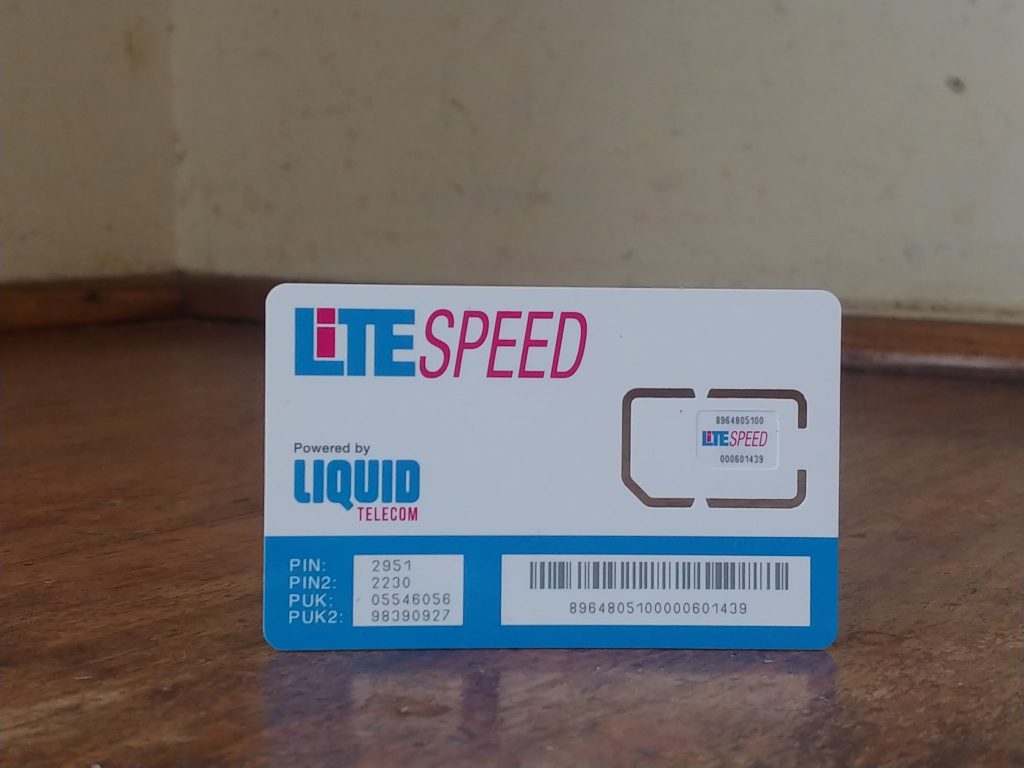
And it’s even better that now TelOne has realized this too, introducing their own LTE-Based Wibroniks competitor named Blaze (any chance we get a blue fire-based logo with that?). The new product will follow a similar model to ZOL , with a mobile Wi-fi (Mifi) device/dongle and more traditional indoor modem as well. The Mifi device will require an LTE based line and official pricing is yet to be unveiled but rumors did point to the lowest plan starting at $36 RTGS apparently. And while we’re not exactly excited about TelOne’s pricing, we do like the fact that they’re entering into this space to begin with. The last thing we actually need as consumers is for ZOL to be the only ones offering their kinds of services hence this is a classic case of more competition hopefully creating a more favorable environment for the customer. In fact if both TelOne and ZOL offer really competitive pricing, customer uptake of their products could lead to Econet,NetOne and Telecel all behaving a little better when it comes to their own pricing schemes.
Of course this is all a “wait and see” situation as well, as we have no concrete idea how the market or these companies will react in the coming fer months or so but if anything this might sort of be the one really good thing that’s come out of the whole Datapocalypse situation. Especially if these services survive beyond our current economic crisis, as they do help role out better internet facilities to customers who couldn’t pay the entry fee for established ZOL and TelOne services. All in all though, we’ll simply observe how this all goes down .
Give us your thoughts about ZOL’s LTE service, TelOne’s new move and how you’re handling constant data price increases in general in the comments or on our social media channels.
Related Stories:

With Econet pricing going up by up to 20% today, it’s time we say goodbye to what was a relatively cheap period in Econet Bundles.
Well, it was fun while it lasted..
Read More

Is it just me, or does Telecel’s current pricing make no sense for it’s market position (or customers).
Wake up Telecel, you're in a bad spot...
Read More
The rise of E-Learning bundle scammers shows all the flaws the model has to begin with.
And thus capitalism creates more problems for consumers...
Read More
So let’s talk about e-Learning bundles for a minute.
They seem good, but that's because everything else is so...
Read MoreAbout Author