


Probably more Google and OpenAI stuff, but is that really what we need?

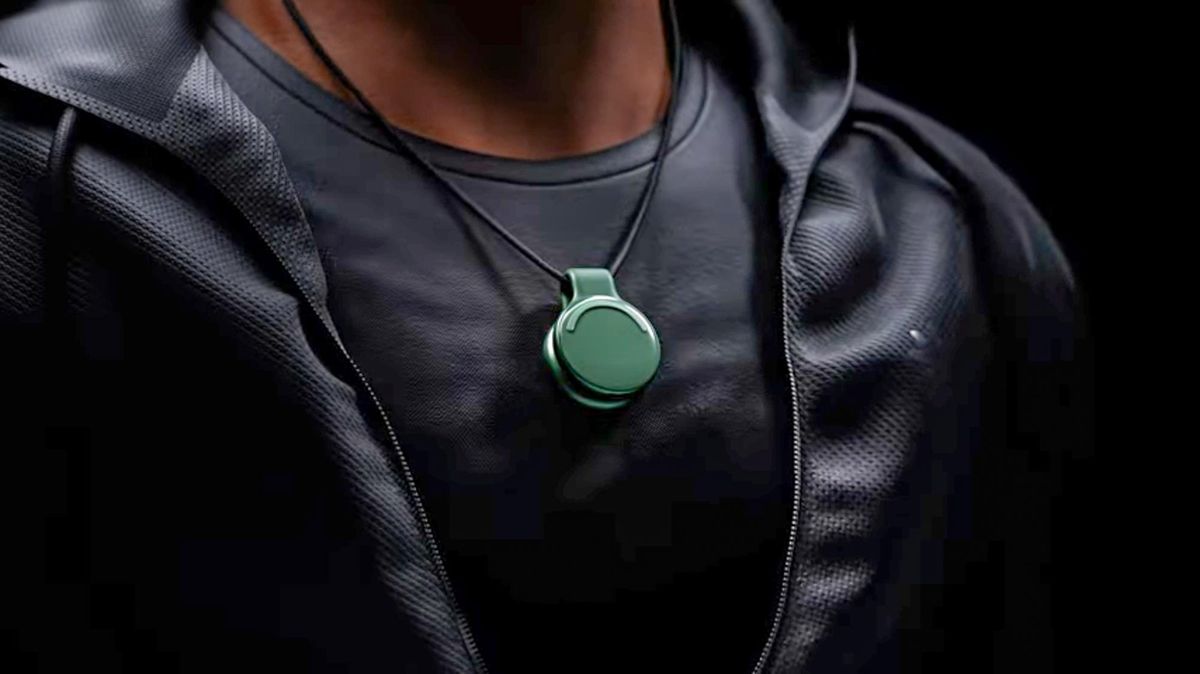
Last year we wrote about the Humane AI pin, calling it either “a scam, or the future of AI tech products”. It was an article that some didn’t respond kindly to, but one that basically was a shared sentiment among tech reporters and media around the world. Then came the Rabbit R1, a simpler, quirkier, and conceptually “more fun” device that honestly had much less skepticism from the media, albeit with some eyebrows raising over its big feature : the Large Action Model(LAM). Unfortunately both products have been released now, and well, the result hasn’t been great. In fact, at this point in time we can safely say AI gadgets have kind of failed. And well , what comes next? Chances are Google and even Apple are about to answer that.

But before we dive into all that, let’s talk about these two devices and their failures. Starting with Humane’s AI Pin and that statement we said: a scam or the future of AI products. Which one is it? Financially, probably the former. I mean you pay $700 for an incredibly slow device, with beautiful, but not quite optimised hardware, features that outright don’t work or aren’t exactly what was promised and a $24 monthly subscription for the thing to actually work since it needs a constant internet connection. It honestly almost sounds like a parody of everything bad about technology today, especially considering the self-serious, Apple-like Messiah Complex that Humane’s Co-founders originally brought fourth. So yeah, financially, the AI Pin is a scam. How about technologically? Well that question is a little tougher. Because let’s be clear here, the AI pin just does not work as advertised, and when it does that’s a 1 in 20 occurrence that you can’t even reliably predict. But, at least based on seeing how it works, you can tell that Humane did design this thing to work, they just failed miserably at executing that. The hardware is on paper well designed, and even the Pin’s approach to staying powered up is the kind of interesting thinking that makes you want to root for the company. It was just a clearly overengineered approach to something that could have perhaps been easier to do with pogo pins. Or a bigger battery. And that goes for a lot of the other solutions this device comes up with. It’s cool to have a laser projector, but the weird way to enter a pin, not so much.
Then there’s the Rabbit R1. Again, the job for Rabbit was arguably easier. It didn’t try to replace your phone like the AI Pin, it was $500 cheaper, and it had no subscriptions either. Sounds like an easy win right? Wrong. Because despite having a more geek-friendly design and an awesome feature with the LAM, which allowed you to train the device to run tasks for you, it seems Rabbit arguably shot themselves in the foot worse with the R1.

For starters, despite seeming like the easier device to use, with a normal touch screen and a SIM tray, the R1 has its own weird hangups. Like how you can’t use the touchscreen unless in its command line – like Terminal Mode. Which means you have to use its wheel to navigate everywhere, except Rabbit clearly forgot how to make a good wheel-based UI like the iPods of old. It takes forever to select a simple option which makes the thing frustrating to use. As for that large action model stuff? Well like the AI Pin it’s not ready yet, with only four use cases available from Spotify, Doordash, Uber, and Midjourney. Oh and out of those four only Spotify and Midjourney sort of work. Which means the Rabbit’s main big feature is also a bust, at least at the time of writing this. The only thing that seems to redeem the R1 is the camera based features, especially understanding and analyzing text, while identifying thing is hit or miss as well. This is not new, again the Humane AI Pin has the same problems. But again, it makes two different approaches to AI gadgets look like abject failures. And as such, one wonders the simple question “What was the point?”.
These things could have just been apps.

Then there’s the other thing that everybody’s been asking : Why aren’t these things apps on your phone? Well in Rabbit’s case, it kind of is. If you saw any tech news last week, you’ll know the R1 actually is a glorified Android launcher running on a modified Android device. The Humane Pin is also a heavily customized Android device. This clearly means that these things probably could easily have been apps. So why aren’t they? Especially when a lot of the flaws with the devices (unoptimized software, battery, camera, data issues) could probably be solved by running the app on a stable mobile OS that has probably been fine-tuned over a decade like Android or iOS. Well, for starters, both these companies are startups. High-profile startups with a lot of investment yes, but still startups. And which startup wants to say their huge game-changing product is just an app on your phone versus a completely new, AI-based device that might change the landscape forever? It’s not a foolproof approach, but it is one indicative of the tech and startup market of today. And even more so beyond that, there’s all the monopolies and issues that have to do with keeping up with Apple and Google’s rules and practices for apps on their platforms. Basically, those companies have become greedy pigs that bully app developers every chance they get, especially Apple. While Google may be a little more restrained on the bully part, but prides itself on being an AI company. Would they really let another company gain the low-level access to Android required to make their innovative AI functions work and make Goggle Assistant look bad in the process? Probably not. So at least in this case, you get why these companies chose the routes they did, though I still think having an app service without all the features on the phone or making these devices companions to your phone that connected to some of your accounts and data through an app on the phone (thus making their AI assistance have better, more accurate data about you) would have helped them hit the ground running a lot better.
So are AI Gadgets Dead?
Honestly, one can’t be too sure. But if the question is to go from here, well both Humane and Rabbit are stating commitment to improving these products and actually making them the AI assistants both they and customers hope they can be. But while they do that, OpenAI has just shown off GPT 4o which can does a lot of the stuff Humane showed off and works on your phone, and Google just showed of Gemini features at Google I/O that would make the little bunny on the Rabbit R1 blush. Simply put, the big companies are already moving in, and proving that the phone is probably still the only AI gadget you need. Maybe Rabbit and Humane may improve in time to challenge that, but in the mean time, just get the Gemini or ChatGPT apps, you’ll be better off with either of those than any of these experimental gadgets.
Related Stories:
Did Google Win the AI War? You’re asking the wrong question.
"Winning" in AI is a little more complex than you...
Read More

Marvel, AI Companions and Dead Loved Ones
AI companions carry a lot of moral and social responsibility...
Read More
2024 was the year of the Infrastructure upgrade cycle
This year's big upgrades in tech change more stuff in...
Read MoreAbout Author