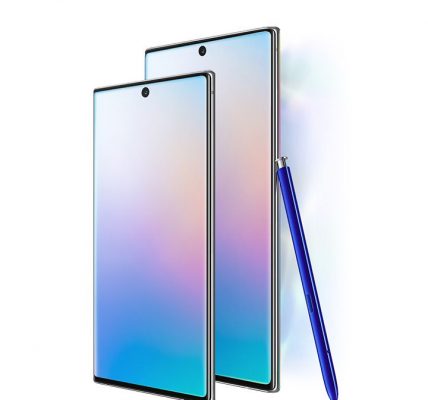


Personal computer: the definition for this according to Oxford Learners Dictionaries is “a computer for one person to use at work or at home” and its pretty spot on from our simple understanding of the term. For over the past thirty years, personal computer or PC has referred to the desktops or laptops we all use in our homes or our workplaces. It’s basically been the slightly more specific definition we use to describe our computers instead of just calling them well, computers (and also in spite of Apple’s relentless efforts to make us think macs are different, they’re not). But when I decided to write down an article about how our phones are full on computers now and should be treated as such, an old article I read in 2013 came to mind, with the author mentioning how smartphones and mobile tablets are not just full-blown computers, but deserve the name Personal Computer more than our larger, more traditional devices do. And as someone who very much agrees with that philosophy, allow me to share with you why your mobile device is your true your true Personal Computer.
Starting off with a realization some of us haven’t really picked up yet, your current smartphone is a computer, not a phone. We are used to referring to them as phones, but they have had less and less in common with phones ever since at least late 2009. If anything, it’s a computer with phone capabilities, which is why it still accepts a sim card and has mobile network antennae built in. But here’s the funny thing, both those features I just mentioned, are either going the way of the Dodo (with Sim cards being replaced by “electronic sims”) or already being implemented by traditional PCs as well (Microsoft even has a whole Windows Connected PCs drive based on laptops that accept sim cards and have 4G antennae built in). And in addition to that, in the past eight to ten years the phones we use have been judged on specifications such as RAM, processor speeds and operating systems, the same things we consider when buying a new laptop or desktop computer.

And these days flagship mobile phones even come with a spec sheet that sounds like that of a PC’s, carrying around 8GB of Ram, up to 1TB of storage and even smartphone processor benchmarks that compete with those of laptops processor benchmarks. But it’s not just the specs and features that make our phones full on PCs, after all game consoles are full on computers but their software’s focus on games makes us all basically forget that fact, and its that same key aspect; software, that makes our phones basically the same as our PCs. The mobile operating systems on our smartphones have become just as advanced, if not more advanced in some ways in some ways than our desktop operating systems, and can do almost just as much too.

If you are the type of person who mainly uses their laptop for word documents, emails and internet browsing, you might need to realize that you can do all of that on your phone, the only limiting factor being the device’s screen size (which quite a number of phones get around by being able to connect to larger displays like TV’s or computer monitors).

These mobile operating systems are also why your phone needs updates, maybe an antivirus or privacy software, another set of things we expect form our PCs.

So ok, our phones are basically as capable as computers now, but the Personal part of Personal Computer is what matters most to me, and our phones are usually the most personal piece of technology we own. Think about it this way, you’re in your living room and want to quickly look up the meaning of a word on the internet, do you reach for the phone in your pocket or the laptop in your bag or on the table?

For most people, it’s the former , and there’s a reason for that. Phones have been designed to be an always on always connected computer in our lives that should give us near instant access to anything we want on or off the web. Where do we spend most of our time checking out media, news, articles or just talking to people online? Where do a lot of us receive and at least initially view academic or even work documents? The answer to all those questions ten years ago would have definitely been our computer, but now it’s often our phones and that’s because we always have them with us, on us, constantly interacting with them in some way while our computers are off on a table somewhere requiring a minimal, but somehow noticeable amount of extra effort to engage. And the personal part of how we use our phones gets even more prevalent when you look at the data stored in them. Google, Facebook and a ton of other companies have been questioned over a lot of the data they gather as of late, and while a lot of the data on our PC’s is definitely important and sensitive, it’s data that we keep in our phones, knowingly or unknowingly, that really made people begin to take notice of these companies’ practices.

From the various texting threads you have, to most likely all your logged in social accounts to your contacts, location data and even bio-metric data. This is all stuff we might find in your laptop, but will definitely find in your phone. A lot of our phones practically carry our lives in them, and that’s why we keep such a personal bond with them. Our traditional computers in comparison now tend to be a work tool, or something more productivity focused that we don’t share a more intimate bond with. And its true that not everybody subscribes to this notion(yours truly still is very much a full blown computer kind of guy) but in a world where a lot of your basic tasks can be taken care of by that device you hold in the palm of your hand, more people around the world’s first computer is a smartphone and for some that’s the only computer they will ever need, I think it is safe to say the term personal computer is one our faithful desktops and laptops lost to our faithful mobile devices instead. And I’m not saying we should all start looking at our phones and calling them PCs from now on, I’m pretty sure that won’t catch on anyway. But the next time you hear someone saying the term PC while talking about his probably considerably larger, less personal workhorse laptop, you may have second thoughts on whether that is what you would truly prefer to call a Personal Computer
Check out some of our new articles below. And leave some coments on what you think about phones being our true PCs.
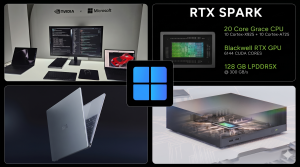
Windows’ Secret Comeback Part 2 : RTX Spark, AI Dev Tools, XPS 13 for $600
LL Cool J Voice: Don't Call it a Comeback!!
Read More
Ecocash Super App Review: Why is Ecocash a social media app now?
You have to check your EcoCash DM's now?
Read More
OnePlus ISN’T Dying. But it’s definitely changing.
For Better or For Worse If there’s any topic in...
Read MoreAbout Author