Last week’s Facebook/WhatsApp outage was the first time Zimbabweans saw the problem with Facebook “owning everything”

Mark pulled a big one on it didn’t he?

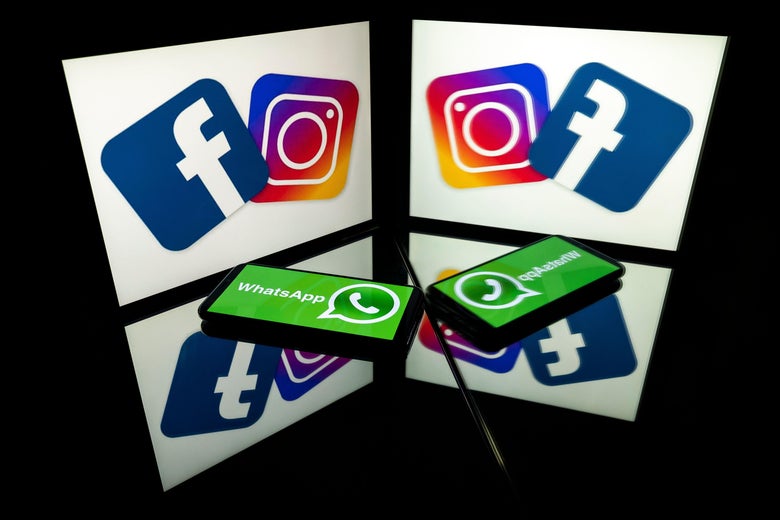
Last week Monday’s outage of Facebook, Instagram and most importantly for many, WhatsApp was a novel experience for many. For what seemed like the first time ever, three of the biggest social media platforms in existence simply stopped working, and literally billions around the globe were affected by it. Back here it was no different, especially with WhatsApp, the main mode of communication for many, being down as well. Most of you reading this already know the aftereffects of that outage as well. Mark Zuckerberg lost $6 billion in net worth social media campaigns lost millions around the world, and maybe one or two relationships got worse. However what’s most interesting to me is that for maybe the first time ever, Zimbabweans realized something western governments and antitrust committees have been saying for years: it’s probably not a good thing that Facebook owns the lion’s share of popular social media apps in the world.
If there’s one thing that was a common reaction during and after last week’s outage, it’s that people were realizing how much they relied on Facebook and its products. While Facebook the social media site isn’t as popular in Zimbabwe as it used to be, Facebook the company’s other main social media platforms, WhatsApp and Instagram, have never been more popular.
So much so that when all three apps stopped working last week, a significant amount of people simply thought the internet stopped working. WhatsApp, Facebook and Instagram have become the backbone of social media in Zim, with only Twitter and (in a way) Tik-Tok being the only real viable competitors and alternatives, and amidst all the panic and confusion that happened last week Monday , quite a few people noted that relying so much on one company for our social media fix is probably a bad thing, especially when their resources and infrastructure may break down to basically hurt all of us somehow.
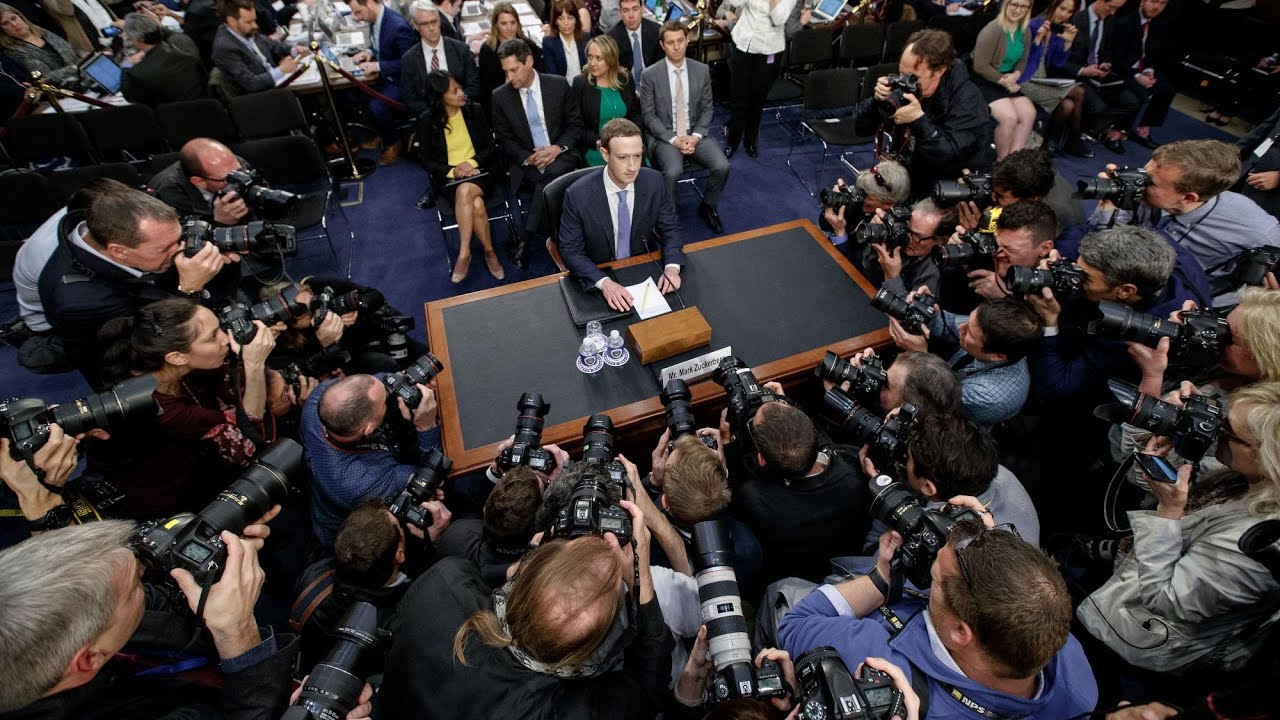
This isn’t the first time Facebook’s dominance in the social media space has been questioned. In fact, if you pay a smidgen of attention to tech news on social media, you’ll know that Facebook and western governments(along with their regulators and Anti-trust boards) don’t exactly get along. In fact Facebook, more than any other tech company recently, is the target of multiple anti-trust lawsuits, privacy infringement lawsuits, investigations and all other kinds of barring, charges and probing with a frequency that might make you think governments like the US government just straight up hate Facebook. And while a very visible dislike for the company is probably true, it’s highly unlikely that they hate the social media giant. Instead the US government has , like other first world nations, realized the problems and challenges that come with companies having monopolies. For years they’ve implemented measures and safeguards to stop any one company or entity from having a distinct monopoly over a market, especially one that’s accessible to common people or traders, and for the most part it’s helped keep multiple industries at their best, both for consumers and a lot of the companies as well. An earlier example of this in the tech space would be the anti-trust lawsuits of Microsoft in the late 1990’s which without them we likely wouldn’t have had companies like Apple or Google being as successful as they are today, and likely not having some of their best products, including the iPhone or services like Gmail. Simply put, governments do this for a reason, and their decisions usually help consumers and users the most.
Chances are however, even 10% of the people reading this don’t care about anti-trust practices and Facebook’s monopoly. However a lot of those people became more aware of it last week. And in a lot of their minds, the fact that Facebook owns all these platforms, and if the company has issues somehow, your favorite social media app stops working, has people rightly skeptical. After all if Facebook changes it’s business models tomorrow(imagine you have to pay $5 USD for the past 5 months that you’ve used WhatsApp for example), the majority of social media users in the world would have their platforms and safe spaces turned upside down basically at the whims of a single company. And this may seem all fair and fine, after all if Facebook owns these platforms why shouldn’t have that much power? After all Coca-Cola has a similar amount of power and almost no one challenges it. Well the difference there applies to the two products that the companies offer. Social apps have become platforms for more than just staring at pictures or sending each other messages. Instead they’ve become marketplaces for goods, business hubs ,and even mobile money payment systems in the case of WhatsApp . Social media has become the new frontier for human communication, commerce and interaction. And going back to our comparison, while everyone may want to drink a coke, it’s highly likely they can live without it, while even here in Zimbabwe some businesses literally could not run without their WhatsApp Business and Instagram pages. Hence the need for platforms of such importance to at least be more regulated , especially by one private entity that’s known to abuse it’s power quite often as well. So imagine this, if WhatsApp wasn’t owned by Facebook, last week’s outage wouldn’t have affected it, and less people would be affected by Facebook needing to get it’s act together. And that’s why some government officials in the EU and US want Facebook’s companies broken up. Whether that will actually happen though , seems highly unlikely, though the company’s recent track record might cause more regulation again.
In the end however, whatever happens to Facebook as a company and its vast empire, a few more of us are paying more attention to it now. And that’s a much better space for most Zimbabweans anyway, because knowing what your apps do , who owns them and why they work how they do, might help you make a decision or two a little better. For now though, Mark better not turn of our socials again, our relationships barely made it through the first time.
Related Stories:

Windows’ Secret Comeback Part 2 : RTX Spark, AI Dev Tools, XPS 13 for $600
LL Cool J Voice: Don't Call it a Comeback!!
Read More

Ecocash Super App Review: Why is Ecocash a social media app now?
You have to check your EcoCash DM's now?
Read More
OnePlus ISN’T Dying. But it’s definitely changing.
For Better or For Worse If there’s any topic in...
Read MoreAbout Author