Apple Cancelling AirPower is a necessary pain that can help the whole tech industry

In cancelling a product, Apple has created a martyr

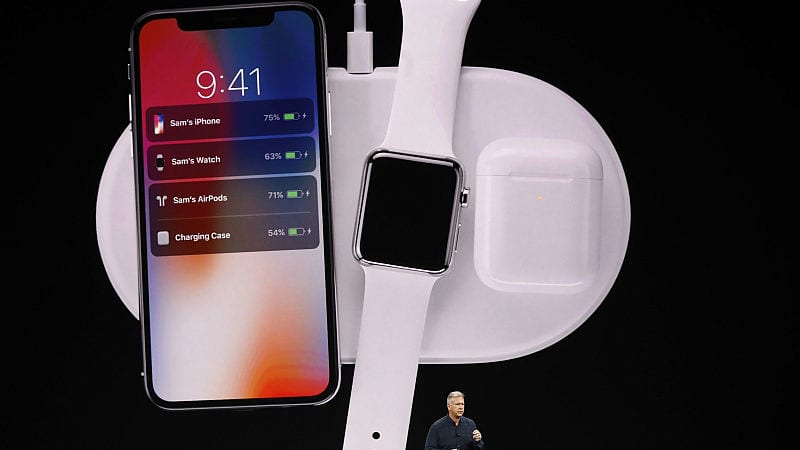
On Friday, Apple cancelled their consistently delayed AirPower wireless charger, much to the dismay of Apple fans and most likely Apple investors all over the world. In a statement where Apple admitted the charging mat would “not achieve our high standards”, the company unveiled that it would be cancelling the project which it initially unveiled with the iPhone X. The tech community has spent the weekend speculating the technical reasons as to how and why AirPower failed, but what matters most to us is the good (and bad) that the move has done both for Apple, and the tech industry as a whole.
Now to put it simply, cancelling Airpower, at least immediately, is a move that’s bad for Apple, but good for the larger tech community. The obvious bad part of this comes from how this affects Apple trying to increase its profits. With iPhone sales now slowing, Apple has been trying to double down on ways to increase its revenue, whether by growing its user base, or more likely increasing how much cash they can get from their current users. This is why Apple is making iPhones more expensive ($1000 starting price vs the old $600 starting price), introducing new products like the AirPods and launching services such as Apple News+ and TV+. So obviously AirPower was suspected to be another additional factor to that whole revenue plan, and now that its cancelled, Apple is going to be a little stuck as to how to recoup that money, at least for a little while and that usually doesn’t make its investors smile. This also robs hardcore Apple fans of a dedicated Apple product for wireless charging, which while there are now many great third-party accessories that do exactly what AirPower promised, it tends to sting a little because it’s often better to have accessories from the Apple themselves(not to mention around these parts, it’s always best you get an official manufacturer accessory because we’re way too familiar with fake parts).
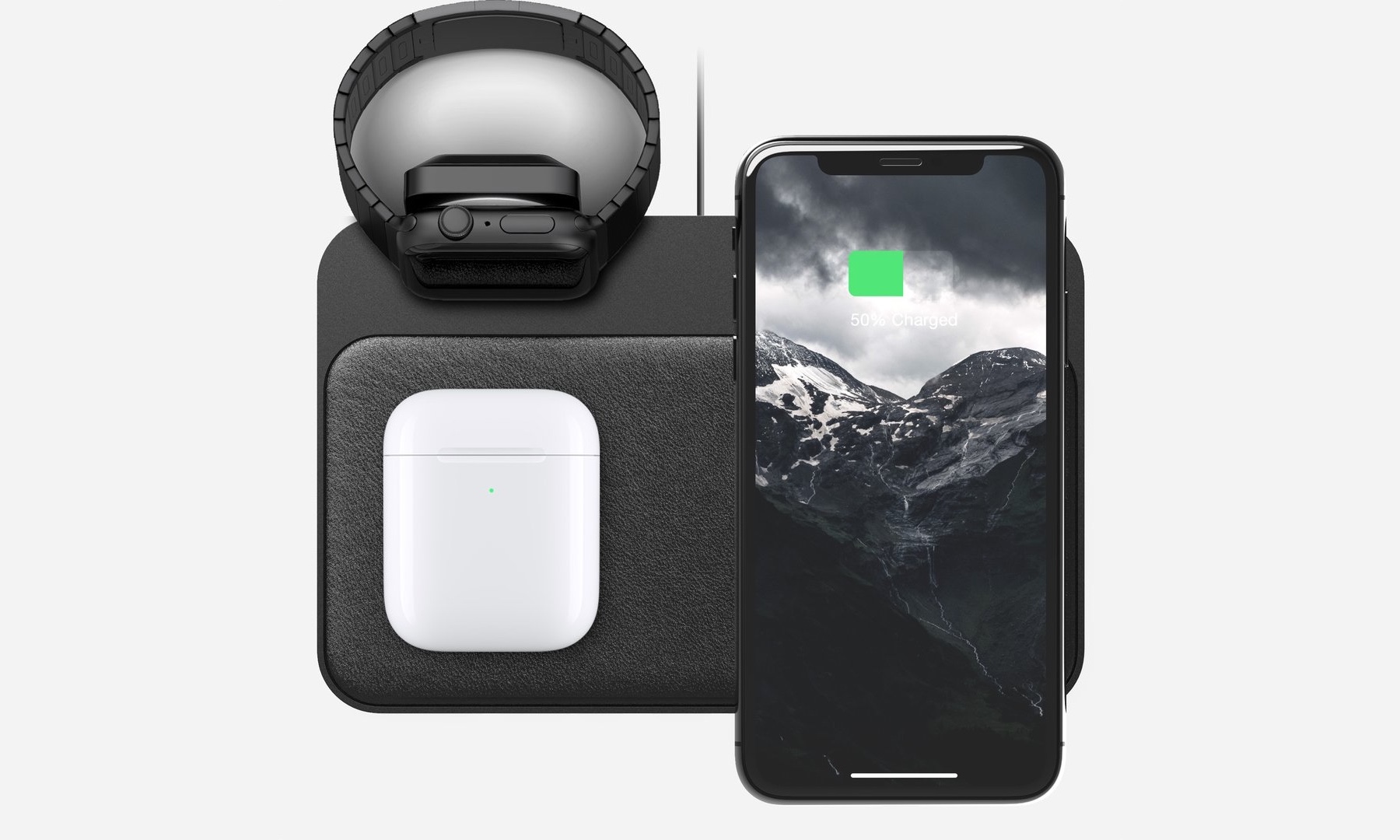
However, whatever sting or minor pain Apple and friends feel right now, it’s likely relatively small as compared to the good that its decision to openly cancel AirPower will do for the rest of the tech industry and tech culture among consumers. And of course, for many of you the most obvious of these is the open market for everyone else who was supplying wireless chargers for Apple devices or with Apple devices in mind. These companies where already trying to maximise on sales before AirPower showed up, but now that it’s been cancelled, they’re all basically having a field day! The Nomad Base wireless charger has actually gone out of stock now and other companies are getting higher sales as well it seems. But company sales and competitors cheering aren’t the type of good we’re talking about here (in fact we would find it a little mean calling Apple losing money to others actual good for the industry). The real good from Apple’s sacrificial move comes from in two forms:
Further realization by both the public and Apple themselves that in the end, it’s also just a tech company.
A potential shift in the culture of tech companies to admitting when they haven’t perfected a product, taking more time to make it reach set standards or even just downright canceling when those standards are unattainable.
Now the first point may be subjective to some, but I believe it is something even the most devout of Apple followers should all realize: Apple in the end really is just another tech company. Now Apple has always had a certain “Halo” effect on its customers, that made it seem transcendent or just above the rest of its tech counterparts. And to be honest this effect was earned. From its earlier days with the Apple 2 computer to the launch of the iPod, iPhone, MacBook and so on apple has had quite a roll when it comes to creating amazing, innovative and forward-thinking products, but they haven’t all been great. Neither have all of them been worth the over-enthusiasm (and prices) that Apple basically demands you give them at this point. It’s one thing for fans, especially those who aren’t really tech savvy , to think that Apple is the most amazing tech company in the world and can basically do no wrong, but it’s another when Apple itself seemingly believes that hype and seemingly doesn’t listen to user feedback, genuine complaints, or at least some useful suggestions and instead keeps releasing products that let users down but lock them in Apple’s “walled garden” ecosystem so those same users think ”well, it’s not like I can buy something else” (even when they can). And that’s not to say Apple always does that, but we need to be realistic here. For every iPhone X there’s a Magic Mouse 2. And what everyone needs to realize is that while Apple prefers to think different and in a sense act different to most tech companies, it isn’t all that different. That means that even it’s most devoted fans should demand more from it when it drops the ball, show they’re angry when it pisses them off. It’s what they do for all other tech companies, and that’s whats made them all step up when they failed consumers. And unless all Apple fans want to keep being mildly disappointed, it’s what they need to do.

The second good thing to come from the AirPower cancellation is a lesson most of the tech industry should learn: Admit when you’ve failed and give consumers the product they deserve. We’ve said this before but cancelling AirPower was obviously not an easy decision for Apple. You don’t spend a year delaying a product if you aren’t trying to find every way possible to fix it, so obviously Apple tried everything they could to make sure AirPower would reach the standards they set for it, and when it didn’t, they boldly accepted that they couldn’t do it. Surprisingly enough, this is a VERY rare occurrence in the tech industry. In fact, in a world where every company seems to think they can fix whatever errors a product has through a software update, we’ve seemingly become victim to unfinished or sometimes incompetent products. Anyone remember the Galaxy Note 7 and it’s exploding fiasco? Do you really think that Samsung didn’t see a single exploding model during manufacturing or it simply thought the number of faulty ones it saw wasn’t high enough for there to be a publicity and sales disaster? And true, that’s the worst-case scenario of that kinds of situations, but even the best case scenarios include phones with poor cameras until software update number 3, laptops with zero-day malware vulnerabilities until the first two or three Windows updates, and tons of other products which even after all those updates either barely match up to customers’ expectations , or just flat out fail.
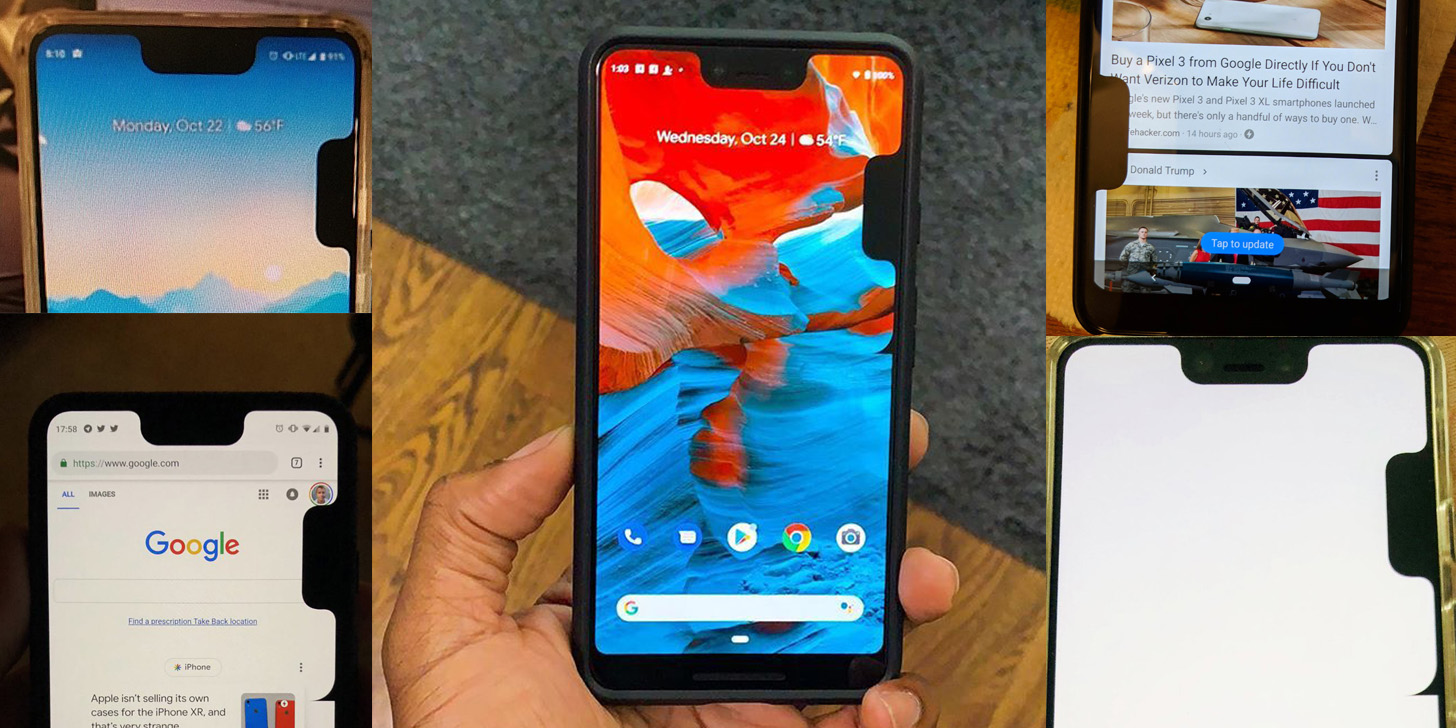
A lot of tech companies these days just don’t seem to care enough about users to roll back their products even when they know they won’t work as advertised, and thankfully that utter betrayal of quality is something Apple still doesn’t have. In making a move like cancelling AirPower, Apple showed that it’s dedication to its brand, service delivery and customer service still trumps what the majority of the tech community still does, and for once, this is the one time the I hope the “Apple effect” kicks in again. And by that, I mean the habit of companies copying Apple’s products or tactics in hopes of gaining more customers. Samsung did this for years with smartphones until they matured enough to outgrow that approach, now I’m hoping that Google, Sony, Huawei, Intel and all other kinds of companies can realise that if they are ever to copy Apple at all, this is the one thing they should duplicate. And if more companies can begin to do this, then as customers/consumers we’ll all know we can sleep easy buying a new tech product. It may not be the best around, but it will certainly at the very least, work the way it’s supposed to. So again, R.I.P. to AirPower, for even while never being released, your effect was felt in this world, and hopefully that effect will do some good for the community u wished to enter.
About Author